Ethical Alternatives to Pup-Peroni
Pup-Peroni is a popular mainstream dog treat brand owned by The J.M. Smucker Company. While it has no major ethical scandals, it lacks a publicly available animal testing policy for finished products, offers limited supply chain transparency, and has minimal sustainability commitments.
Categories compared: Pet Care, Food & Nutrition
Why shoppers look for alternatives to Pup-Peroni
- No public animal testing policy for finished products, which concerns shoppers seeking cruelty-free pet care.
- Limited transparency on ingredient sourcing and supply chain, making it difficult to assess ethical or environmental impact.
- No third-party certifications (e.g., USDA Organic, Non-GMO Project, or Rainforest Alliance) to verify claims about quality or sustainability.
- Minimal publicly available sustainability commitments or reporting, unlike many competitors that publish carbon or waste reduction goals.
Top-scoring alternatives to Pup-Peroni

A gold-standard example of regenerative agriculture, these oats go beyond organic by actively restoring soil health and ensuring fair wages for farmers in a vertically integrated supply chain.

A truly organic, non-toxic dog shampoo that sets the gold standard for safety and environmental purity in pet grooming.
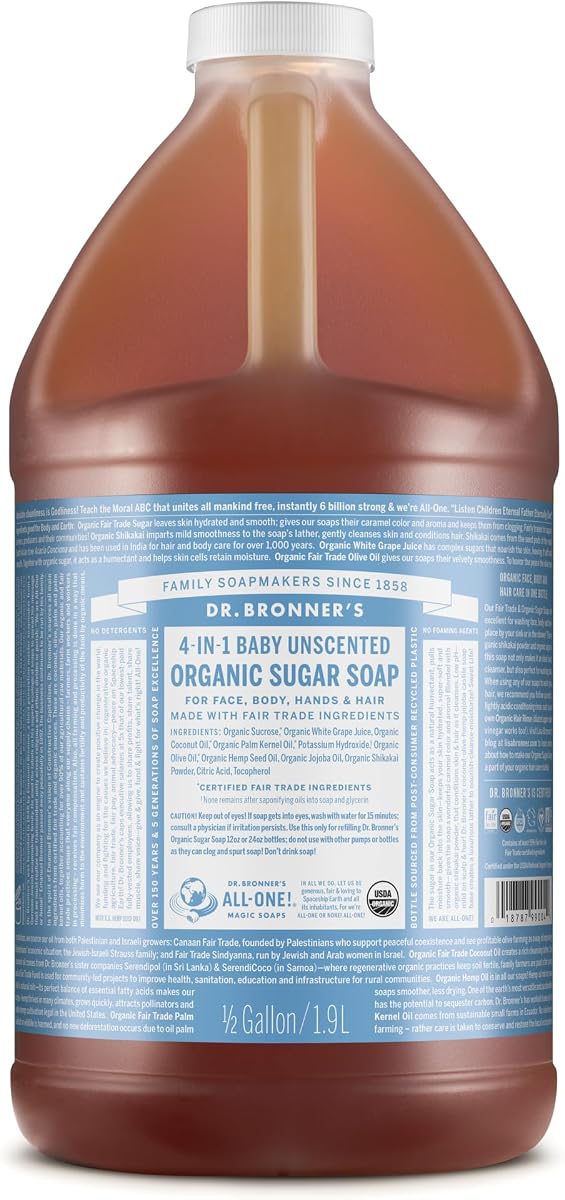
A multi-use, fair-trade organic soap that is gentle enough for pets yet effective at removing grime and odors.

A truly organic, non-toxic grooming solution that sets the gold standard for pet safety and environmental responsibility.

The gold standard for ethical personal and pet care. Dr. Bronner’s Peppermint Pure-Castile Soap is biodegradable, fair trade, and highly concentrated for multi-purpose use.

The gold standard for ethical food production, this coconut oil uses regenerative organic practices and fair trade labor to set a benchmark for corporate responsibility.
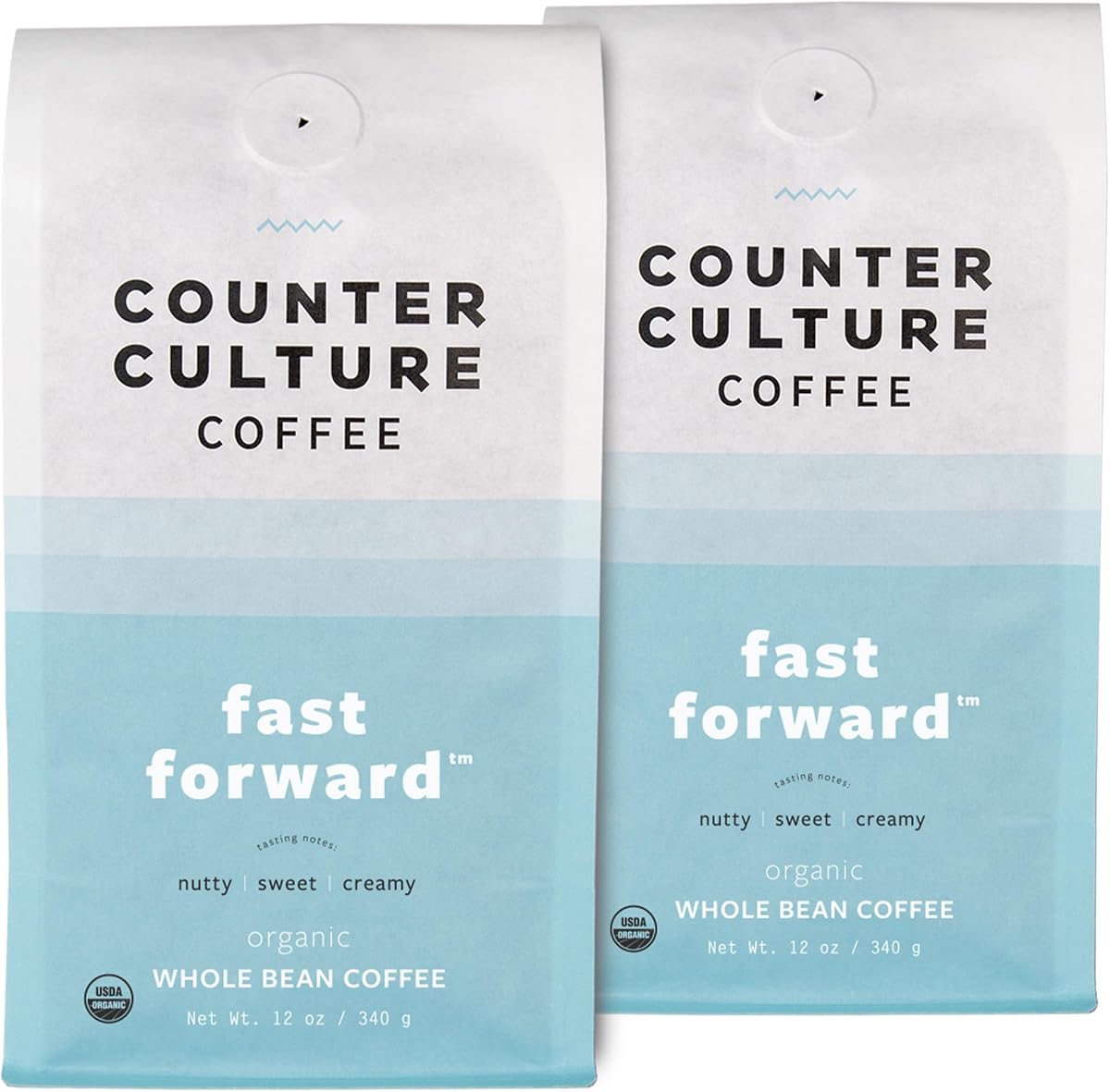
A 100% farmer-owned coffee cooperative that bypasses traditional middlemen to ensure maximum profits return to the growers.

A legendary multi-use soap that is widely recommended by groomers for pets due to its organic, fair-trade ingredients and complete lack of synthetic detergents.

A soothing, organic balm for dry paws and noses, crafted with Fair Trade ingredients and a legacy of social activism.
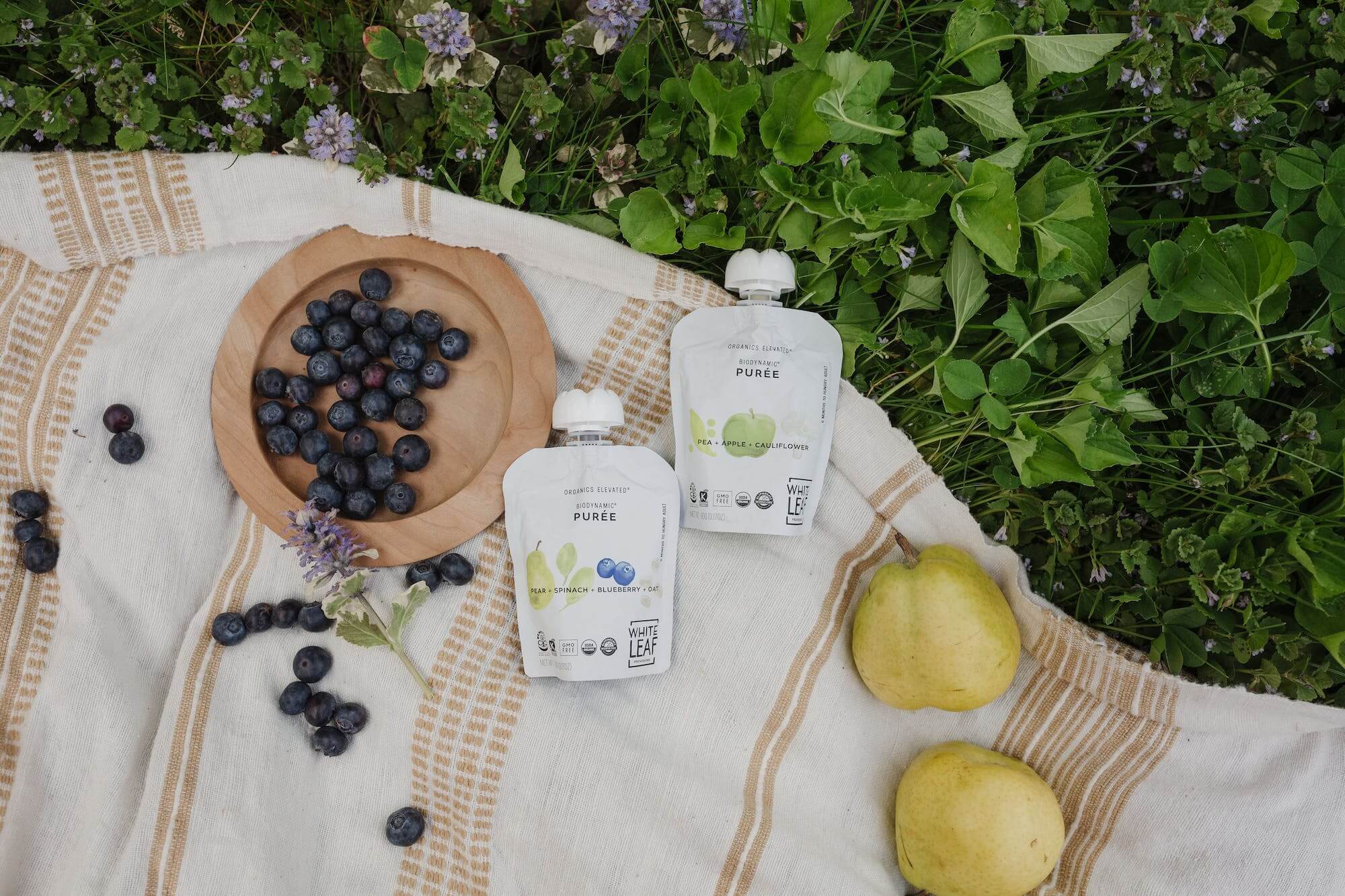
The gold standard in baby food, offering Demeter-certified biodynamic ingredients that exceed organic standards for soil health and purity.

A gold standard in ethical confectionery, combining fair-pay labor practices with regenerative cocoa farming that restores biodiversity in the Ivory Coast and Ghana.

A gold-standard breakfast staple sourced from family-owned farms in Montana using regenerative practices that actively sequester carbon and restore soil health.
What Pup-Peroni is rated on
On our comparison site, we evaluate brands across animal testing policy, sourcing transparency, certifications, and sustainability reporting. Pup-Peroni scores low in these areas: no official animal testing policy for finished products is publicly available, no third-party certifications are on file (such as USDA Organic, Non-GMO Project, or B Corp), and The J.M. Smucker Company provides limited detail about ingredient sourcing or environmental commitments for the Pup-Peroni line. This makes it hard for shoppers to confirm ethical claims.
How the alternatives were picked
We curated alternatives based on three criteria: a clear and accessible animal testing policy (ideally cruelty-free certified by Leaping Bunny or PETA), transparent ingredient sourcing with published supplier or origin information, and at least one third-party certification (organic, non-GMO, or sustainable). Each recommended brand must also demonstrate a commitment to sustainability—such as carbon footprint tracking or recyclable packaging—backed by public reports or verified claims. We excluded brands owned by companies with conflicting ethical records or unresolved controversies.
What to check on the label
When switching from Pup-Peroni, look for these label features: a 'cruelty-free' logo or statement indicating no animal testing (Leaping Bunny or PETA approved). Check for a 'Made in' or 'Sourced from' disclosure—brands that list specific countries or farms are more transparent. Look for certifications like 'USDA Organic,' 'Non-GMO Project Verified,' or 'Marine Stewardship Council' for fish-based treats. Finally, see if the packaging includes a recycling label or a company website link to a sustainability or ethics page where you can verify claims. Avoid treats with vague terms like 'natural' or 'premium' without third-party proof.
Frequently asked about Pup-Peroni alternatives
Does Pup-Peroni test on animals?+
The J.M. Smucker Company does not publish a public animal testing policy for finished Pup-Peroni products. While they may not conduct animal tests, the lack of a policy or third-party certification (e.g., Leaping Bunny) means shoppers cannot verify the claim.
Are there any ethical certifications on Pup-Peroni?+
No. Pup-Peroni has no third-party certifications on file, such as USDA Organic, Non-GMO Project, or B Corp. This is a key reason shoppers seeking verified ethical sourcing look to alternatives.
Why is sourcing transparency important for dog treats?+
Without transparency on where ingredients come from, it's harder to assess potential environmental impact, labor practices, or quality control. Ethical brands typically list country of origin or give supplier details to build trust.
What certifications should I look for in an ethical dog treat?+
Look for Leaping Bunny or PETA's 'Cruelty-Free' for animal testing policy. For ingredients, USDA Organic, Non-GMO Project Verified, or Rainforest Alliance. For sustainability, B Corp or a company with a published environmental report.