Ethical Alternatives to Rachael Ray Nutrish
Rachael Ray Nutrish is marketed as a premium, natural pet food with real ingredients and a charitable donation program for animal rescue. However, it lacks any third-party certifications for animal welfare, sustainability, or labor ethics, and its parent company J.M. Smucker has faced public criticism over labor practices and environmental impact. For shoppers seeking independently verified ethical standards, several alternatives offer clearer accountability.
Categories compared: Pet Care
Why shoppers look for alternatives to Rachael Ray Nutrish
- Rachael Ray Nutrish holds no third-party certifications (e.g., USDA Organic, Non-GMO Project, or B Corp) to verify its natural or ethical claims.
- Parent company J.M. Smucker has been criticized for unsustainable sourcing practices and labor violations, which may conflict with ethical pet care values.
- The brand lacks an explicit cruelty-free policy or independent audit for animal testing despite no direct evidence of finished-product testing.
- Donation percentages to animal rescue are not independently verified, unlike some competitors that transparently report impact.
- Ingredient sourcing is not fully traceable, unlike alternatives that publish supplier lists or use certified supply chains.
Top-scoring alternatives to Rachael Ray Nutrish

A high-protein, plant-based dog food that drastically reduces the environmental impact of pet ownership without sacrificing nutrition.

A truly organic grooming solution that uses zero synthetic chemicals, focusing on skin health through saponified organic oils.

A premium, hand-woven enrichment mat crafted from single-origin Moroccan wool, designed for urban dogs to forage for treats in small apartment spaces.

Industry-leading transparency with 100% traceable ingredients and high-welfare seafood standards.
An industry-leading organic shampoo that sets the gold standard for non-toxic pet grooming, using 100% biodegradable, plant-based ingredients.
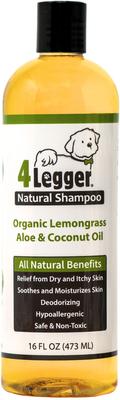
A woman-owned brand producing truly organic, non-toxic pet grooming products that set the gold standard for safety.

A rugged, handcrafted hemp collar produced by a German veteran-owned boutique, offering a biodegradable and plastic-free alternative to nylon gear.

An indigenous-owned, handcrafted wool pet bed using sustainable Himalayan wool and soap-based processing.

A premium, sustainably sourced bamboo brush designed for cats and short-haired dogs. This woman-owned brand focuses on plastic-free grooming alternatives.

An innovative no-rinse cleanser from Korea's premier hypoallergenic brand, perfect for quick office clean-ups after walks.

An eco-revolutionary dog treat powered by cricket protein, designed to reduce the carbon pawprint while providing a hypoallergenic, nutrient-dense snack that uses 99% less water than beef-based alternatives.

A durable, BPA-free rubber chew toy that doubles as a treat dispenser, where every purchase funds the planting of pollinator habitats.
What Rachael Ray Nutrish is rated on
Rachael Ray Nutrish positions itself as a “natural” pet food brand, emphasizing real meat, vegetables, and grains. The brand also donates a portion of profits to animal rescue charities. However, it carries no third-party certifications for organic, non-GMO, or sustainable practices. It has not been certified as cruelty-free by organizations like Leaping Bunny or PETA. Additionally, its parent company, The J.M. Smucker Company, has faced documented criticism regarding labor rights violations and unsustainable sourcing of ingredients—issues that an ethical shopper should consider.
How the alternatives were picked
We selected alternatives based on independent third-party certifications (e.g., USDA Organic, Non-GMO Project Verified, B Corp, or Certified Humane), transparent ingredient sourcing, and clear animal welfare and labor policies. Each recommended brand has a publicly available policy on animal testing, environmental impact, and ethical labor. We excluded brands that rely solely on self-reported claims without external verification.
What to check on the label
When choosing an ethical pet food, look for certification seals on the packaging: USDA Organic ensures no synthetic pesticides; Non-GMO Project Verified means no genetically modified ingredients; Certified Humane or Animal Welfare Approved guarantee no animal testing and ethical treatment. Also check for “made in the USA” with verified sourcing, and search for a parent company’s sustainability report if available. Avoid brands with vague terms like “natural” or “premium” without defined standards.
How to judge a suggested brand alternative
An alternatives page is a starting shortlist, not proof that one brand is universally better than another. The suggestions come from our catalogue: published products in a similar category with a recorded ethics score. They answer a narrow question — which products we list might fit the same need — and they cannot tell you which option performs best, suits your skin or diet, or matches your budget.
Match the job before the score
Start with what the original product does for you: format, size, scent, skin or dietary requirements and where you buy it. A higher-scoring alternative is not useful if it comes in a format you cannot use or is not sold where you shop. Check the alternative's full record — purpose, ingredients, price and seller — before treating it as a replacement.
Compare evidence, not impressions
Read certifications at their stated scope: a scheme may cover one range, one material or a named entity rather than a whole brand. An animal-free ingredient list and an animal-testing policy are separate questions, and a parent company's record is a third. Where a claim matters to you, confirm it in the scheme's own directory or the manufacturer's current statement rather than relying on a badge alone.
Keep the limits of the comparison visible
Catalogue scores are AI-assisted assessments with documented limitations, not laboratory measurements. A missing score is a data gap, not a failing grade. The original brand's presence here reflects what our records contain, which may omit reformulations, regional differences or newer certifications. For health, safety or recall concerns, use official sources rather than any score.
| Check | Where to confirm it | Avoid assuming |
|---|---|---|
| Does the alternative do the same job? | Its full product record and the maker's current description | A similar category means a like-for-like replacement |
| Is a claimed certification current? | The certification scheme's official directory | A badge covers the whole brand or group |
| Is it actually available to you? | The retailer's current listing, price and delivery | A catalogue price tier is a live quote |
Frequently asked about Rachael Ray Nutrish alternatives
Does Rachael Ray Nutrish test on animals?+
There is no public evidence that Rachael Ray Nutrish tests finished products on animals. However, the brand does not have a formal cruelty-free certification or an explicit policy against animal testing across its supply chain.
Why is J.M. Smucker's reputation a concern for ethical shoppers?+
J.M. Smucker, the parent company, has faced reports of labor violations at its facilities and has been criticized for unsustainable agricultural practices. This can conflict with the values of shoppers who prioritize fair labor and environmental responsibility.
What certifications should I look for in a pet food alternative?+
Look for independent seals such as USDA Organic, Non-GMO Project Verified, Certified Humane, B Corporation, and Leaping Bunny (for cruelty-free). These provide verification beyond marketing claims.
Are there pet food brands with verified charity donations?+
Yes, some brands like Open Farm and The Honest Kitchen publish detailed impact reports or have third-party audits for their donation programs. Always check if donations are linked to sales percentages or fixed annual commitments.