Ethical Alternatives to RoC
RoC is a dermatologist-recommended anti-aging brand owned by Groupe Pierre Fabre. While it claims to avoid animal testing except where legally required—notably in mainland China—it holds no independent cruelty-free or vegan certifications, and its environmental commitments are tied to its parent company’s broader goals. For shoppers seeking verified ethical standards, several alternatives offer comparable results with clear certifications.
Categories compared: Beauty & Personal Care, Health & Wellness
Why shoppers look for alternatives to RoC
- RoC does not hold any major independent cruelty-free certification (e.g., Leaping Bunny, PETA Beauty Without Bunnies).
- RoC sells in mainland China, where post-market animal testing is still legally required for imported cosmetics.
- The brand’s sustainability efforts are limited to Groupe Pierre Fabre’s corporate policies, lacking specific, publicly tracked targets.
- Vegan consumers cannot easily identify which RoC products are plant-based, as no vegan certification exists for the brand.
Top-scoring alternatives to RoC
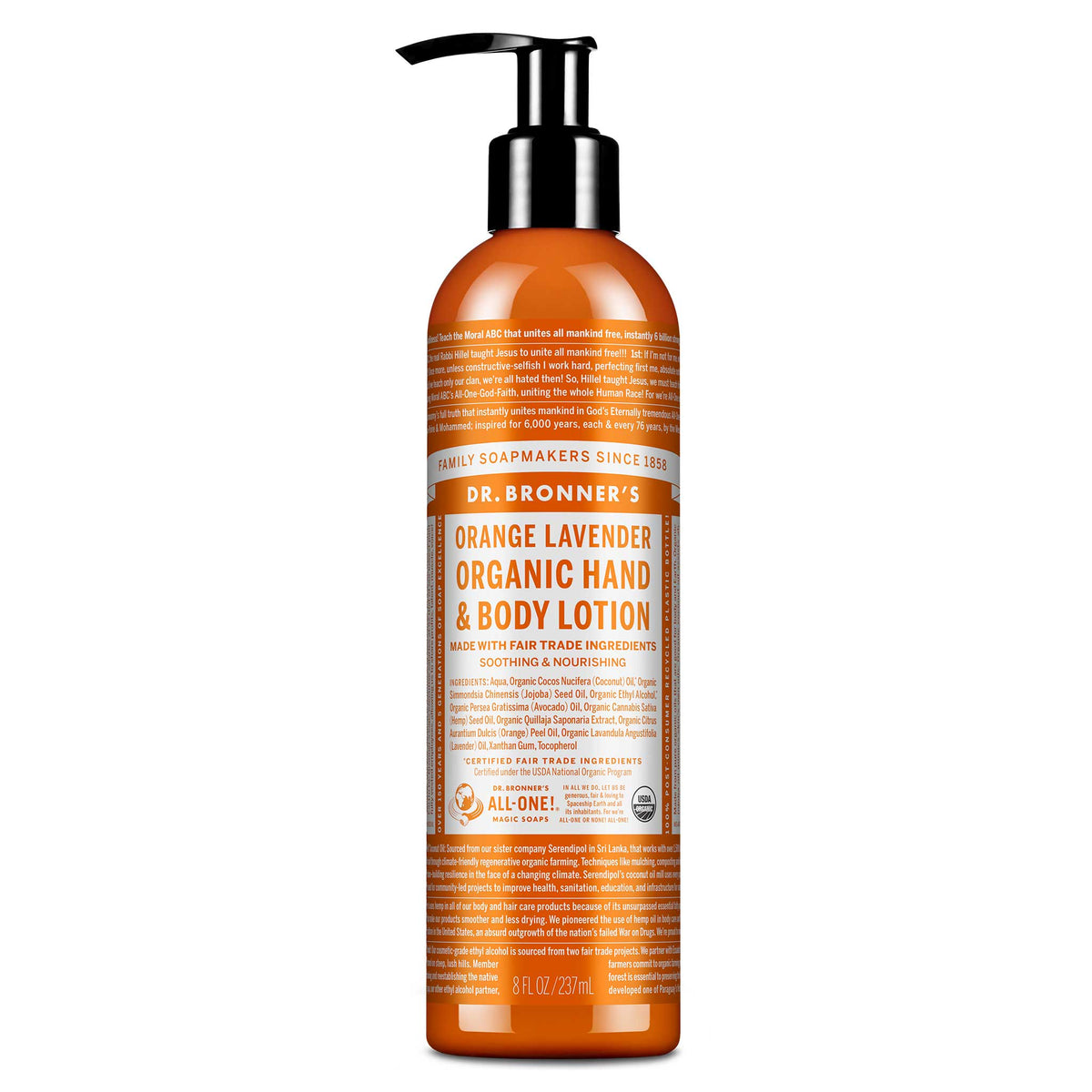
A highly ethical, multi-use lotion crafted with organic oils and fair trade ingredients, setting the industry standard for supply chain transparency and regenerative agriculture.
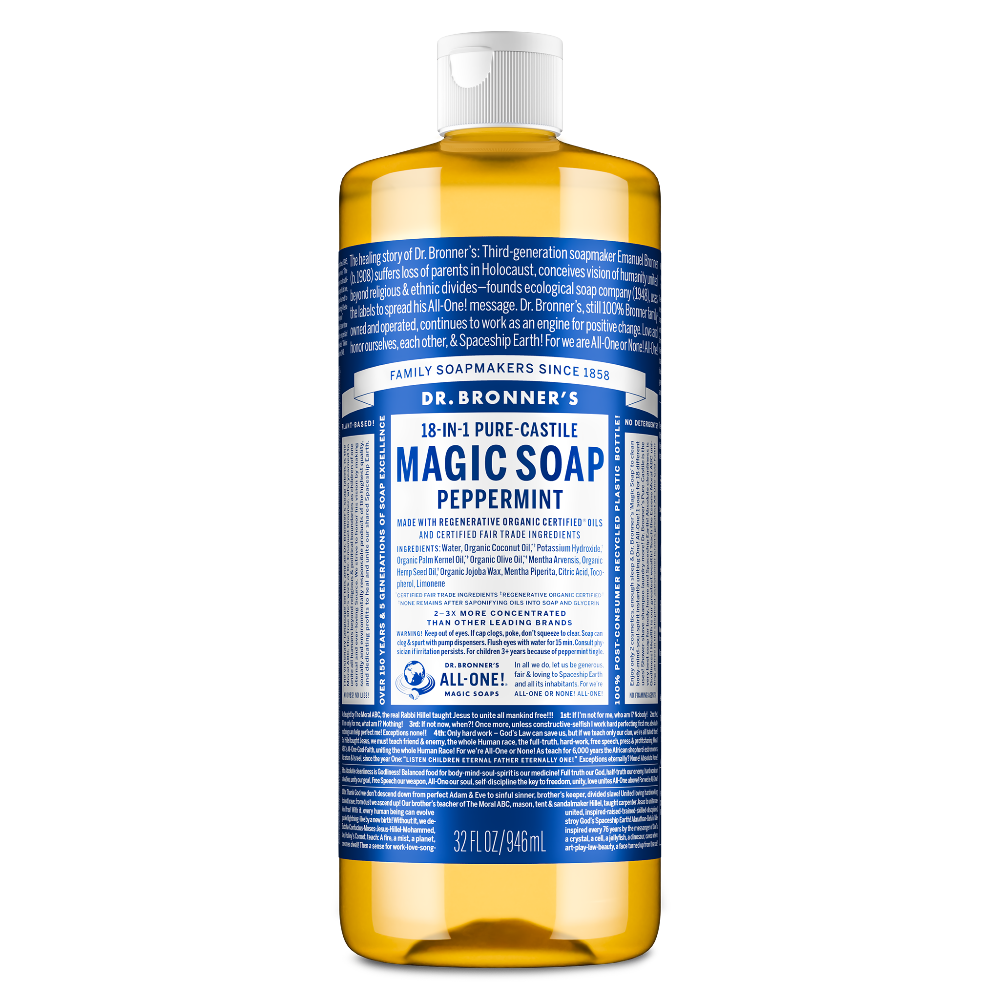
The gold standard of ethical cleaning. A highly concentrated, multi-surface liquid soap made from organic oils and fair trade ingredients in 100% PCR packaging.

An ultra-ethical, multipurpose skin salve made with organic oils and fair-trade beeswax, setting the gold standard for corporate responsibility.

The gold standard of ethical soaps, featuring regenerative organic palm oil and a legacy of fair-trade advocacy and radical transparency.

Quite literally the gold standard for ethical sourcing, this coconut oil supports regenerative agriculture and fair wages for thousands of farmers in Sri Lanka.

A zero-waste, plastic-free solid shampoo bar that replaces three plastic bottles, featuring fair-trade ingredients and a focus on water conservation.

A mass-market accessible body wash that funds community empowerment projects in Togo, West Africa, using fair-trade unrefined shea butter.

A zero-waste, plastic-free body cleanser bar that replaces three bottles of liquid soap and uses regenerative fair-trade ingredients.

A fluoride-free, 70% organic toothpaste that leads the industry in fair trade sourcing and activist corporate governance.
A zero-waste, plastic-free shampoo bar equivalent to three bottles of liquid shampoo, utilizing fair-trade cocoa butter and peppermint oil.

The ultimate multi-tasker for minimalist hosts; one bottle can wash hands, body, hair, and even dishes.

A zero-waste, plastic-free solution for hair and body, specifically curated for the minimalist traveler looking to bypass liquid restrictions.
What RoC is rated on
RoC’s ethical profile is assessed on three main criteria: animal testing policy, certifications, and sustainability transparency. The brand states it does not test on animals except where required by law, but it currently sells in mainland China—a market that mandates animal testing for imported cosmetics. RoC carries no third-party cruelty-free certification (e.g., Leaping Bunny, PETA), no vegan certification, and no standalone eco-labels. Its parent company, Groupe Pierre Fabre, reports on some environmental goals, but these are not specific to the RoC line.
How the alternatives were picked
Each recommended alternative was selected based on verifiable, third-party credentials. All brands listed hold recognized cruelty-free certifications (Leaping Bunny or PETA) and do not sell in markets that require post-market animal testing. Where possible, we included brands with vegan certifications (e.g., Vegan Action, Vegan Society) and those that disclose ingredient sourcing or packaging sustainability. The alternatives also offer comparable anti-aging active ingredients (e.g., retinol, peptides, vitamin C) to match RoC’s core product categories: moisturizers, serums, eye creams, and cleansers.
What to check on the label
When replacing RoC with an ethical alternative, look for these indicators on product labels and brand websites: 1. Independent cruelty-free logos—Leaping Bunny (CCIC) or PETA’s Beauty Without Bunnies. 2. Vegan certification—a separate logo from Vegan Action or The Vegan Society, as cruelty-free does not automatically mean vegan. 3. Parent company policy—some brands owned by larger corporations may still sell in China; check the brand’s own FAQ for market restrictions. 4. Ingredient transparency—brands that list all active ingredients and their concentrations (e.g., retinol percentage) often have higher accountability. 5. Packaging claims—look for ‘recyclable’ or ‘post-consumer recycled’ labels, and avoid brands that only make vague ‘eco-friendly’ claims without third-party verification. Recommended starting points include Paula’s Choice (Leaping Bunny, no China sales), The Ordinary (PETA certified, vegan options), and Medik8 (Leaping Bunny, carbon-neutral certified).
Frequently asked about RoC alternatives
Does RoC test on animals?+
RoC states it does not test on animals except where required by law. Because it sells in mainland China, where imported cosmetics are subject to post-market animal testing, some products may be tested indirectly.
Is RoC certified cruelty-free?+
No. RoC does not hold certification from Leaping Bunny, PETA, or any other major third-party cruelty-free program.
Are there vegan anti-aging alternatives to RoC?+
Yes. Brands like The Ordinary and Paula’s Choice offer vegan-certified anti-aging serums and moisturizers with retinol and peptides. Always check the individual product label for vegan logos.
Why does selling in China matter for ethics?+
China still requires animal testing for many imported cosmetics. Brands that sell in China cannot guarantee a fully cruelty-free supply chain, which is why many ethical shoppers avoid them.