Is RoC ethical and cruelty-free?
Not really — RoC fails 2 of the 4 ethics signals we track, including its animal-testing position, and holds no third-party certification we can verify.
RoC is a French-origin, dermatologist-recommended skincare brand focused on anti-aging products, now owned by the multinational pharmaceutical company Groupe Pierre Fabre. While the brand claims not to test on animals except where required by law, it has no major independent cruelty-free or vegan certifications, and its sustainability efforts are limited by the parent company’s broader environmental goals.
The evidence, signal by signal
Cruelty-freeflagged
RoC does not test on animals except where required by law (e.g., China).
Vegan optionsunverified
No official vegan range; some products may be vegan but not labeled.
Sells in mainland Chinaflagged
Selling through mainland Chinese retail has historically triggered post-market animal testing.
Third-party certifiedunverified
We don't track any of this brand's products yet, so product-level certifications are unchecked.
Public pledges: Parent company Groupe Pierre Fabre aims for 100% recyclable packaging by 2025 under its SPARK 2025 program.
Scored with our public methodology. Profile last updated 2026-09-25.
Research notes on RoC
Compiled from the brand's own statements and the public sources listed below, last reviewed 2026-09-25. We don't stock RoC products, so nothing here is checked against product records.
Overview
RoC (Laboratoires RoC) was founded in 1957 in France and is best known for its anti-aging skincare products based on retinol and other clinically proven ingredients. The brand is a subsidiary of Groupe Pierre Fabre, a French pharmaceutical and dermo-cosmetic company that also owns brands like Avene, Klorane, and Ducray. RoC products are sold in over 50 countries, including through major retailers like Amazon, Ulta, and drugstores. The brand positions itself as a dermatologist-recommended, effective, and affordable alternative to luxury skincare. However, for ethical consumers, RoC’s animal-testing policy and limited transparency on sourcing and labor practices raise concerns.
Certifications
RoC does not hold a Leaping Bunny or PETA cruelty-free certification, nor any major vegan certification. The brand is not listed on PETA’s “Beauty Without Bunnies” approved list. Some of its products are formulated without animal-derived ingredients, but there is no formal vegan certification. RoC is not certified organic or natural, as its products contain synthetic ingredients like retinol.
Animal testing & vegan range
RoC states it “does not test on animals except where required by law,” a common caveat that means its products may be tested on animals in markets like China if required by Chinese regulations. The brand sells in mainland China, where animal testing is mandatory for imported cosmetics unless under specific exemptions. RoC has not committed to ending sales in China to avoid animal testing. There is no official vegan product line, though some products may be suitable for vegans; consumers must check individual ingredient lists.
Sustainability pledges
Groupe Pierre Fabre has a corporate sustainability program called “SPARK 2025” that includes targets for reducing carbon emissions, water consumption, and waste. Specific packaging commitments for RoC are not publicly detailed, but the group aims to make all packaging recyclable, reusable, or compostable by 2025. RoC does not have a dedicated take-back or refill program. No major renewable energy or biodiversity commitments specific to RoC were found.
Sourcing & labor
Information on RoC’s ingredient sourcing is limited. Groupe Pierre Fabre has a code of conduct for suppliers, including adherence to fair labor practices and environmental standards. There are no public reports of labor violations linked to RoC, but the brand does not publish supplier lists or details on raw material origins. The brand’s parent company sources some ingredients like shea butter and essential oils from small-holder farmers, but this is not explicitly tied to RoC.
Controversies context
There are no major scandals or controversies specifically involving RoC. The brand has not been accused of greenwashing, false advertising, or labor rights abuses. The primary ethical critique is its animal-testing policy and continued sales in China without a clear commitment to cruelty-free alternatives.
Bottom line
RoC is a reliable skincare brand for efficacy, but ethical shoppers concerned about animal welfare and transparency may want to look elsewhere. The brand lacks independent cruelty-free certification, sells in China, offers no dedicated vegan line, and provides limited sustainability data. If these issues are not dealbreakers, RoC products are generally affordable and effective, with a strong dermatologist-recommended reputation.
High-scoring beauty & personal care picks to compare
Top-scoring products from other brands in the category RoC sells in. A starting point for comparison, not proof that each one beats RoC.
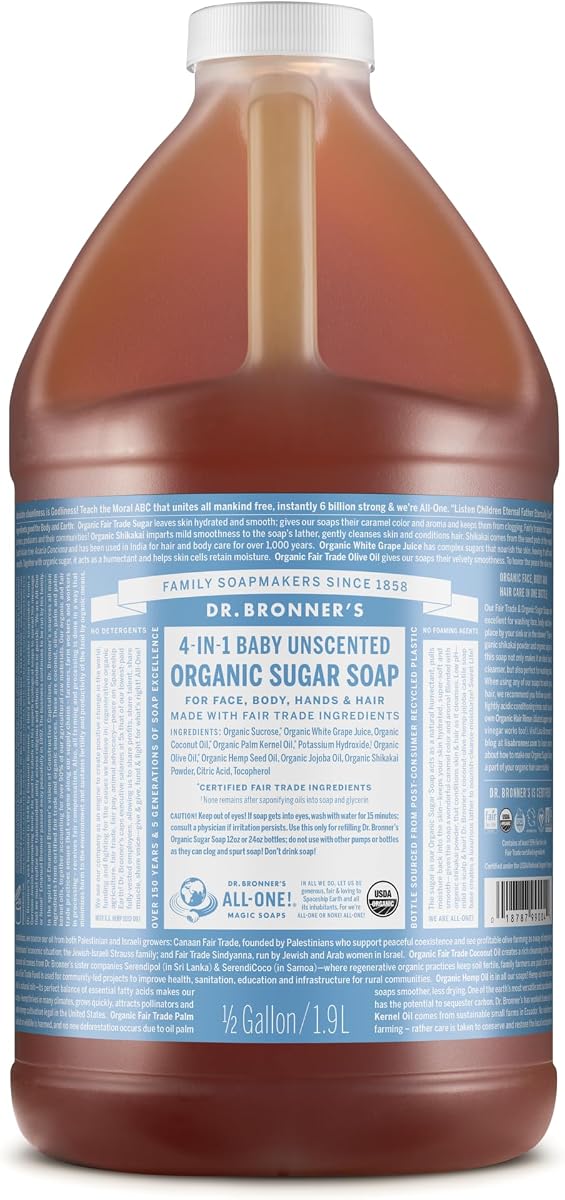
A multi-use, fair-trade organic soap that is gentle enough for pets yet effective at removing grime and odors.
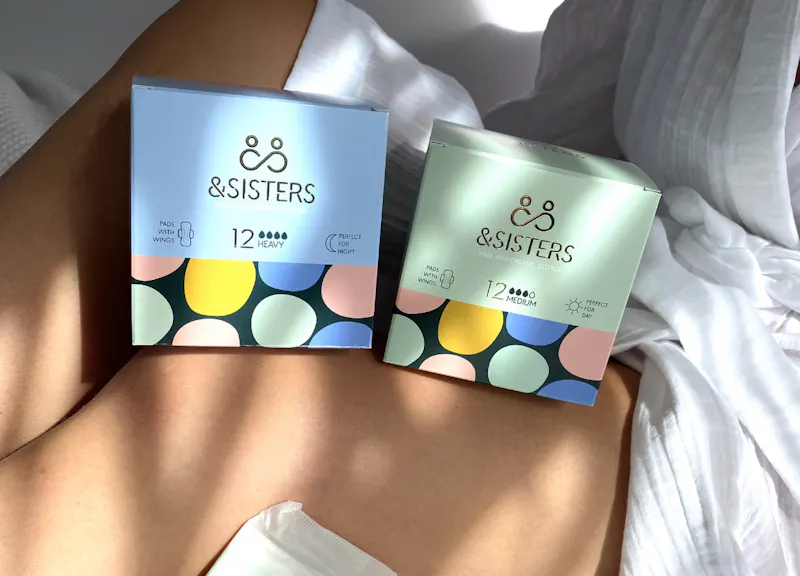
A UK-based, women-owned B Corp offering the highest ethical standard in menstrual care. This bulk 'Sisterhood' bundle features GOTS organic cotton tampons and pads with RSPO-segregated inputs, ensuring zero deforestation.
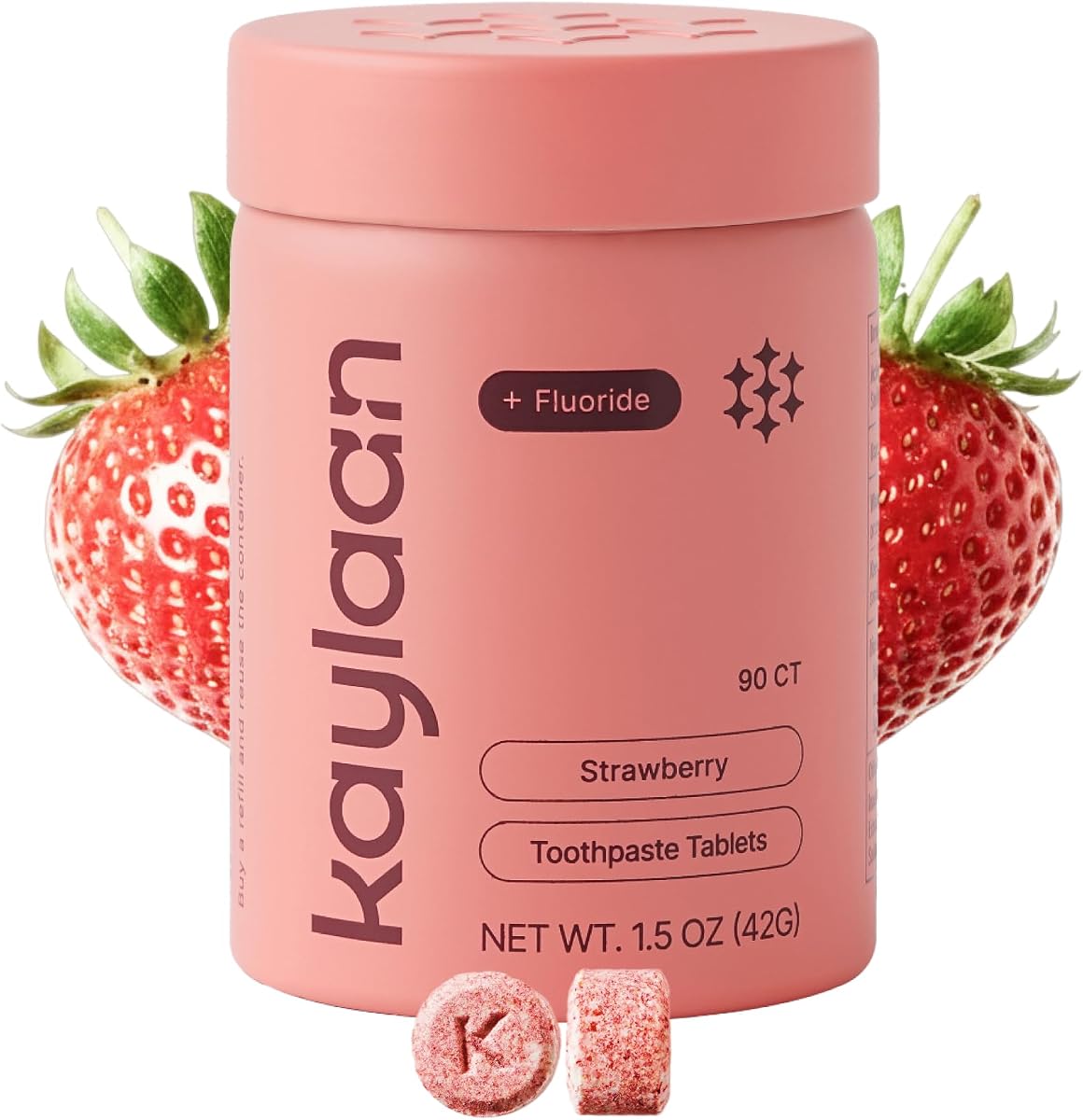
A zero-waste oral care system consisting of fluoride-free tablets in a refillable glass jar, featuring ingredients sourced from ethical Eastern European partners.

A high-potency, carbon-extracted rosehip oil designed specifically for sensitive skin, backed by rigorous B Corp standards and organic agricultural sourcing.
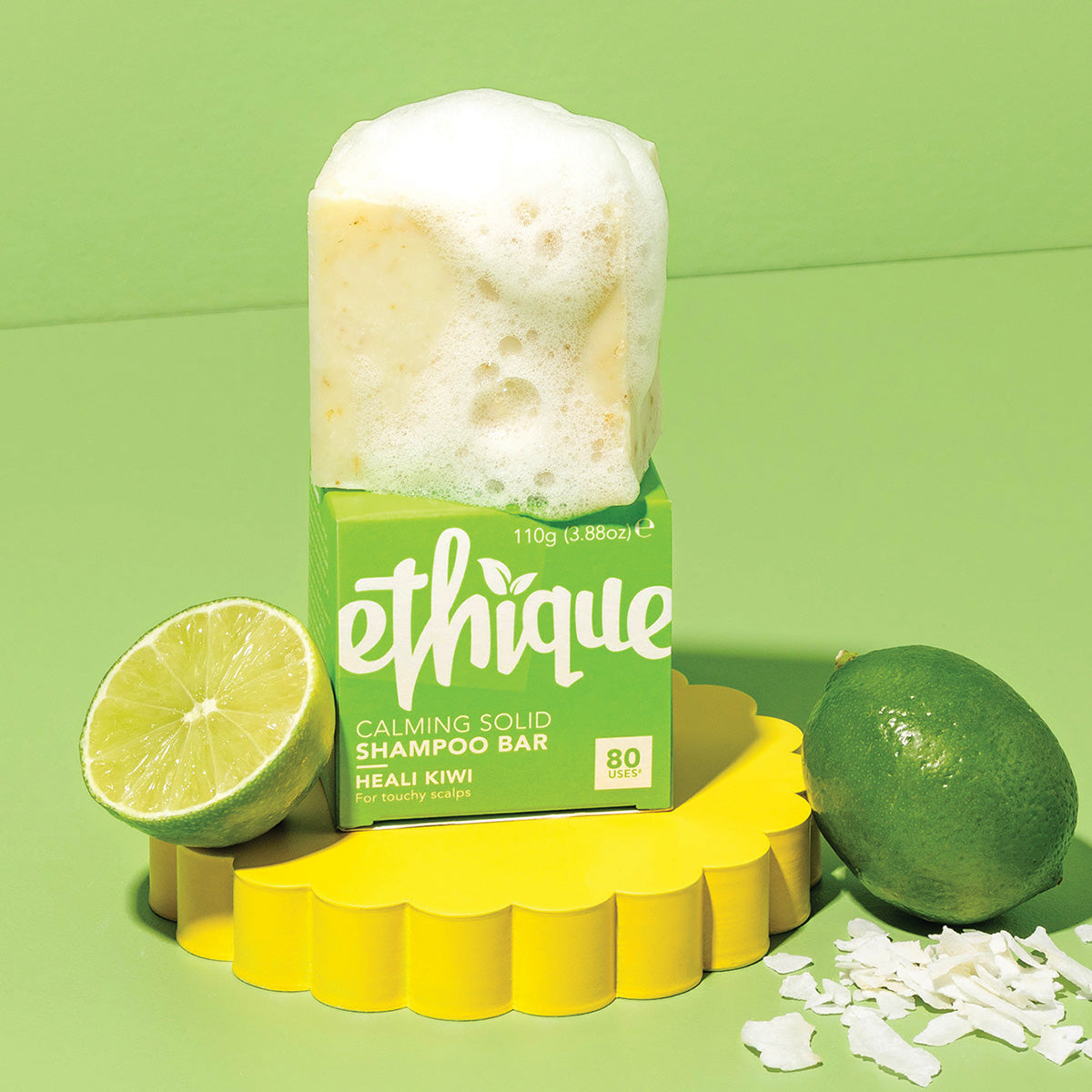
A plastic-free, highly concentrated shampoo bar that replaces three plastic bottles, featuring fair-trade ingredients and carbon-neutral shipping.

A moisturizing, sulfate-free bubble bath featuring handcrafted fair-trade shea butter and calming lavender oil.
More on RoC
Is RoC ethical? FAQs
Is RoC cruelty-free?+
RoC does not test on animals except where required by law (e.g., China).
Does RoC have vegan products?+
No official vegan range; some products may be vegan but not labeled.
Does RoC sell in mainland China?+
Selling through mainland Chinese retail has historically triggered post-market animal testing.
What is RoC's ethics score?+
We don't score any RoC products yet, so there is no ethics score. The signals above come from the brand profile and the sources listed on this page.
What are the best alternatives to RoC?+
High-scoring beauty & personal care products to compare include Dr. Bronner’s 4-in-1 Organic Sugar Soap by Dr. Bronner's, RSPO-Segregated Organic Intimate Care & Menstrual Set by &SISTERS, Natural Whitening Toothpaste Tablets Set by Kaylaan.