Ethical Alternatives to shameless pets
Shameless Pets is a B Corp-certified brand offering grain-free, wild-caught salmon treats with strong animal welfare and environmental credentials. However, shoppers may seek alternatives due to personal ethical priorities, ingredient sourcing differences, or price considerations.
Categories compared: Pet Care
Why shoppers look for alternatives to shameless pets
- Shameless Pets treats are grain-free, but some pets require grain-inclusive diets for digestive health — check your vet’s recommendation.
- Wild-caught salmon sourcing can be less consistent across batches than farmed alternatives, potentially affecting sustainability claims.
- While certified by Leaping Bunny and PETA, some consumers prefer brands with additional vegan or plant-based certifications for full alignment with animal-free values.
- Price point may be higher than some comparable certified treats, making cost an issue for regular use.
Top-scoring alternatives to shameless pets

A high-protein, plant-based dog food that drastically reduces the environmental impact of pet ownership without sacrificing nutrition.

A truly organic grooming solution that uses zero synthetic chemicals, focusing on skin health through saponified organic oils.

A premium, hand-woven enrichment mat crafted from single-origin Moroccan wool, designed for urban dogs to forage for treats in small apartment spaces.

Industry-leading transparency with 100% traceable ingredients and high-welfare seafood standards.
An industry-leading organic shampoo that sets the gold standard for non-toxic pet grooming, using 100% biodegradable, plant-based ingredients.
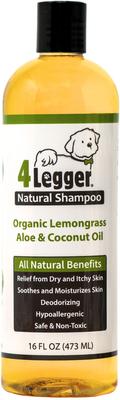
A woman-owned brand producing truly organic, non-toxic pet grooming products that set the gold standard for safety.

A rugged, handcrafted hemp collar produced by a German veteran-owned boutique, offering a biodegradable and plastic-free alternative to nylon gear.

An indigenous-owned, handcrafted wool pet bed using sustainable Himalayan wool and soap-based processing.

A premium, sustainably sourced bamboo brush designed for cats and short-haired dogs. This woman-owned brand focuses on plastic-free grooming alternatives.

An innovative no-rinse cleanser from Korea's premier hypoallergenic brand, perfect for quick office clean-ups after walks.

An eco-revolutionary dog treat powered by cricket protein, designed to reduce the carbon pawprint while providing a hypoallergenic, nutrient-dense snack that uses 99% less water than beef-based alternatives.

A durable, BPA-free rubber chew toy that doubles as a treat dispenser, where every purchase funds the planting of pollinator habitats.
What Shameless Pets is rated on
Shameless Pets holds three major third-party certifications: B Corp (overall social and environmental responsibility), Leaping Bunny (no animal testing at any stage), and PETA Approved (cruelty-free). Their treats are grain-free and made with wild-caught salmon. There are no public controversies or recalls on record. The brand prioritizes eco-friendly packaging and ingredient sourcing, but focuses primarily on canine treats — limiting options for cat owners or those seeking broader pet food lines.
How the alternatives were picked
Each alternative on this page was evaluated against the same certification standards: B Corp, Leaping Bunny, or PETA Approved status; a clear no-animal-testing policy; and ingredient transparency. We also considered price parity, product range (treats vs. full meals), and variety of protein sources (e.g., chicken, plant-based, insect-based). Alternatives were sourced from brands with publicly verifiable documentation and no major ethical controversies. We excluded brands with undisclosed supply chains or recent animal welfare violations.
What to check on the label
When comparing alternatives, look for: (1) Certifications printed on packaging — B Corp, Leaping Bunny, or PETA Approved logos ensure no animal testing. (2) Ingredient origin — wild-caught fish is common, but farmed salmon may have lower environmental impact if certified by the Aquaculture Stewardship Council (ASC). (3) Grain-free vs. grain-inclusive — this is a dietary choice, not an ethical one; consult your vet. (4) Manufacturing location — shorter supply chains reduce carbon footprint. (5) Allergy information — avoid common fillers like corn or soy if your pet has sensitivities. (6) Company ownership — independent brands often have more transparent ethics than corporate-owned ones.
How to judge a suggested brand alternative
An alternatives page is a starting shortlist, not proof that one brand is universally better than another. The suggestions come from our catalogue: published products in a similar category with a recorded ethics score. They answer a narrow question — which products we list might fit the same need — and they cannot tell you which option performs best, suits your skin or diet, or matches your budget.

Match the job before the score
Start with what the original product does for you: format, size, scent, skin or dietary requirements and where you buy it. A higher-scoring alternative is not useful if it comes in a format you cannot use or is not sold where you shop. Check the alternative's full record — purpose, ingredients, price and seller — before treating it as a replacement.
Compare evidence, not impressions
Read certifications at their stated scope: a scheme may cover one range, one material or a named entity rather than a whole brand. An animal-free ingredient list and an animal-testing policy are separate questions, and a parent company's record is a third. Where a claim matters to you, confirm it in the scheme's own directory or the manufacturer's current statement rather than relying on a badge alone.
Keep the limits of the comparison visible
Catalogue scores are AI-assisted assessments with documented limitations, not laboratory measurements. A missing score is a data gap, not a failing grade. The original brand's presence here reflects what our records contain, which may omit reformulations, regional differences or newer certifications. For health, safety or recall concerns, use official sources rather than any score.
| Check | Where to confirm it | Avoid assuming |
|---|---|---|
| Does the alternative do the same job? | Its full product record and the maker's current description | A similar category means a like-for-like replacement |
| Is a claimed certification current? | The certification scheme's official directory | A badge covers the whole brand or group |
| Is it actually available to you? | The retailer's current listing, price and delivery | A catalogue price tier is a live quote |
Frequently asked about shameless pets alternatives
Does Shameless Pets test on animals?+
No. Shameless Pets is certified Leaping Bunny and PETA Approved, meaning no animal testing occurs at any stage of production or ingredient sourcing.
Are there B Corp alternatives to Shameless Pets?+
Yes. Other B Corp-certified pet treat brands include Open Farm and The Honest Kitchen, both of which also hold Leaping Bunny or PETA Approved status and offer grain-free and grain-inclusive options.
Why would someone avoid wild-caught salmon treats?+
Wild-caught salmon can be more expensive and its availability fluctuates seasonally, which may lead to sourcing inconsistencies. Farmed salmon, if ASC-certified, can have a lower environmental impact per pound.
Does Shameless Pets offer treats for cats?+
Shameless Pets primarily focuses on dog treats. For cat-specific ethical alternatives, look for brands like Only Natural Pet or Catit, which have Leaping Bunny certification and offer salmon-based options.