Ethical Alternatives to simple green
Simple Green is a widely used non-toxic cleaning brand with a solid 79/100 ethical rating, backed by EPA Safer Choice, Leaping Bunny, and Cruelty-Free International certifications. However, its limited transparency in sourcing and labor practices leads some shoppers to seek alternatives with deeper accountability across the supply chain.
Categories compared: Home & Cleaning, Health & Wellness, Pet Care
Why shoppers look for alternatives to simple green
- Simple Green's ethical rating of 79/100 reflects strong safety and cruelty-free credentials, but its sourcing and labor transparency remains limited, which may concern shoppers wanting full visibility.
- While Simple Green does not test on animals, its parent company has not publicly disclosed all supply chain labor standards, making it harder to verify fair wages and working conditions.
- Some users seek cleaners with certified organic ingredients or third-party verified environmental claims beyond the EPA Safer Choice program.
- The brand's product range is focused on all-purpose cleaners and degreasers, so shoppers looking for specialized eco-friendly formulas may find more tailored options elsewhere.
Top-scoring alternatives to simple green

The gold standard for multi-purpose ethical cleaning, featuring organic oils and fair trade sourcing in a post-consumer recycled bottle.

The gold standard of ethical cleaning; a multi-use, highly concentrated liquid soap made with organic oils and fair trade ingredients.

A fluoride-free, 70% organic toothpaste that leads the industry in fair trade sourcing and activist corporate governance.

A hand-crafted, raw wellness balm produced by women’s cooperatives in Ghana, ideal for gluten-free skin nutrition and head-to-toe hydration.
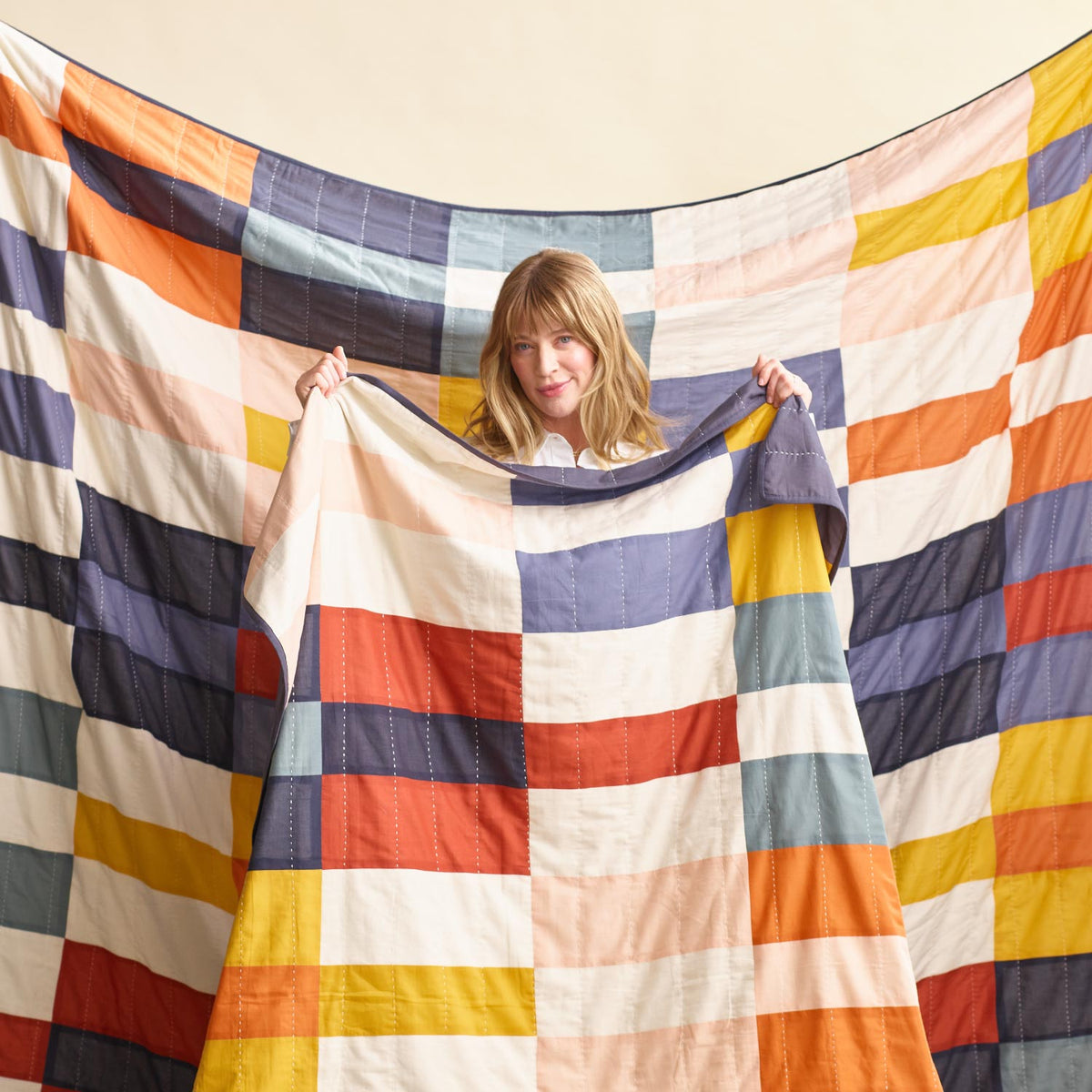
A stunning, artisan-made throw that supports women’s empowerment in India while utilizing 100% plant-based, organic fibers.

A high-protein, plant-based dog food that drastically reduces the environmental impact of pet ownership without sacrificing nutrition.

A truly organic grooming solution that uses zero synthetic chemicals, focusing on skin health through saponified organic oils.

A premium, hand-woven enrichment mat crafted from single-origin Moroccan wool, designed for urban dogs to forage for treats in small apartment spaces.

The ultimate paper-towel alternative, these OEKO-TEX certified cloths use just water to clean, removing 99% of bacteria and leaving a streak-free finish on all glass surfaces.

A gold standard in ethical manufacturing, this concentrated multi-surface cleaner uses regenerative organic oils and fair trade sourcing to provide a zero-waste, non-toxic solution for every room in the home.

Industry-leading transparency with 100% traceable ingredients and high-welfare seafood standards.
An industry-leading organic shampoo that sets the gold standard for non-toxic pet grooming, using 100% biodegradable, plant-based ingredients.
What Simple Green is rated on
Simple Green earns a 79/100 ethical score, placing it above average among mainstream home cleaning brands. Its strengths include verified commitments to animal welfare (Leaping Bunny and Cruelty-Free International certifications) and human health (EPA Safer Choice certification for many products). The brand does not test on animals at any stage of development. However, the rating is lowered by moderate transparency gaps: Simple Green does not fully disclose its ingredient sourcing practices or labor conditions in its supply chain, and it lacks third-party certifications for fair trade or organic ingredients. This means shoppers cannot independently verify that all materials are ethically sourced or that factory workers are paid fair wages.
How the alternatives were picked
Alternatives were selected based on three criteria: (1) they hold comparable or stronger safety and animal welfare certifications (e.g., EPA Safer Choice, Leaping Bunny, or USDA Organic), (2) they offer full public disclosure of supply chains, including ingredient origins and labor policies, and (3) they are independently rated by a reputable ethical shopping guide or have third-party audits for social responsibility. Brands that also provide truthful carbon or water impact data were prioritized, as this goes beyond what Simple Green currently shares. Each recommended alternative maintains high cleaning performance without reliance on undisclosed subcontractors.
What to check on the label
When comparing cleaners, look for these label details: Certifications – EPA Safer Choice verifies low toxicity, while Leaping Bunny or Cruelty-Free International ensure no animal testing. Ingredient transparency – preferred brands list every ingredient by name and percentage, not just vague categories. Sourcing claims – terms like “fair trade” or “ethically sourced” should be backed by a certification (e.g., Fair Trade Certified, B Corp). Labor policies – check the brand’s website for a published supplier code of conduct or membership in organizations like the Fair Labor Association. Without these details, a cleaner’s ethical claims remain unconfirmed.
How to judge a suggested brand alternative
An alternatives page is a starting shortlist, not proof that one brand is universally better than another. The suggestions come from our catalogue: published products in a similar category with a recorded ethics score. They answer a narrow question — which products we list might fit the same need — and they cannot tell you which option performs best, suits your skin or diet, or matches your budget.
Match the job before the score
Start with what the original product does for you: format, size, scent, skin or dietary requirements and where you buy it. A higher-scoring alternative is not useful if it comes in a format you cannot use or is not sold where you shop. Check the alternative's full record — purpose, ingredients, price and seller — before treating it as a replacement.
Compare evidence, not impressions
Read certifications at their stated scope: a scheme may cover one range, one material or a named entity rather than a whole brand. An animal-free ingredient list and an animal-testing policy are separate questions, and a parent company's record is a third. Where a claim matters to you, confirm it in the scheme's own directory or the manufacturer's current statement rather than relying on a badge alone.
Keep the limits of the comparison visible
Catalogue scores are AI-assisted assessments with documented limitations, not laboratory measurements. A missing score is a data gap, not a failing grade. The original brand's presence here reflects what our records contain, which may omit reformulations, regional differences or newer certifications. For health, safety or recall concerns, use official sources rather than any score.
| Check | Where to confirm it | Avoid assuming |
|---|---|---|
| Does the alternative do the same job? | Its full product record and the maker's current description | A similar category means a like-for-like replacement |
| Is a claimed certification current? | The certification scheme's official directory | A badge covers the whole brand or group |
| Is it actually available to you? | The retailer's current listing, price and delivery | A catalogue price tier is a live quote |
Frequently asked about simple green alternatives
Is Simple Green truly non-toxic and safe for pets?+
Simple Green’s all-purpose cleaners hold EPA Safer Choice certification, meaning they are formulated with ingredients considered safe for humans and the environment. The brand does not test on animals. However, the label does not specify whether all ingredients are pet-safe if ingested, so always follow usage instructions and keep pets away during cleaning.
Why does Simple Green have a 79/100 ethical rating if it has EPA Safer Choice?+
The 79/100 rating reflects strong points for safety and animal welfare, but deductions come from limited transparency around ingredient sourcing and labor practices. EPA Safer Choice does not cover labor conditions, so the rating incorporates publicly available data on supply chain disclosures, which are minimal for Simple Green.
Are there any Simple Green products that are not EPA Safer Choice certified?+
Yes, some Simple Green products, such as certain heavy-duty degreasers or industrial-use cleaners, may not carry the EPA Safer Choice label. The certification applies to specific formulations, not the entire lineup. Check individual product labels for the EPA Safer Choice mark.
Which alternative brands have better labor transparency than Simple Green?+
Brands like Dr. Bronner’s (B Corp, fair trade certified) and Blueland (full ingredient disclosure, B Corp) provide detailed supply chain reports and fair labor policies. Seventh Generation publicly shares a supplier code of conduct and reports on factory audits. These alternatives offer greater visibility into working conditions.