Ethical Alternatives to Smarties
Smarties are a popular candy known for switching to recyclable paper packaging and avoiding artificial colors. However, the brand’s ownership by Nestlé ties it to ongoing concerns over water privatization, palm oil sourcing, and corporate ethics. This guide highlights ethical alternatives that avoid these issues while still delivering a colorful, kid-friendly treat.
Categories compared: Food & Nutrition, Baby & Kids, Gifts & Seasonal
Why shoppers look for alternatives to Smarties
- Smarties is owned by Nestlé, a company repeatedly criticized for water privatization and unethical palm oil sourcing.
- Nestlé’s broader supply chain controversies may conflict with your values even if Smarties has made some packaging improvements.
- Smarties only carry Rainforest Alliance certification for cocoa, lacking fair trade or organic certifications found in many ethical alternatives.
Top-scoring alternatives to Smarties

A gold-standard example of regenerative agriculture, these oats go beyond organic by actively restoring soil health and ensuring fair wages for farmers in a vertically integrated supply chain.

The gold standard for ethical food production, this coconut oil uses regenerative organic practices and fair trade labor to set a benchmark for corporate responsibility.

A premium gift set of dark chocolate bars that redefine ethical sourcing through regenerative organic farming and fair trade wages.
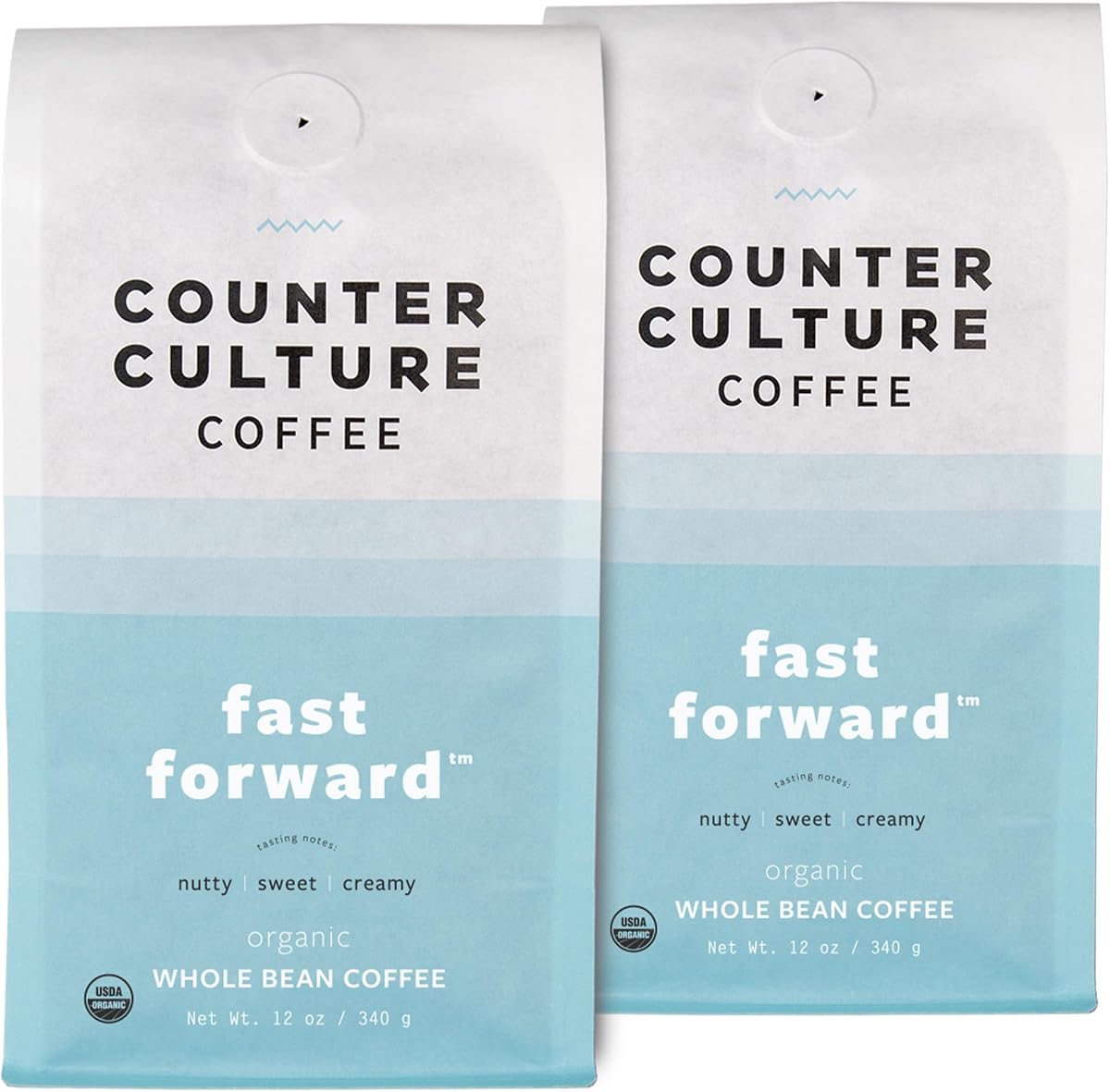
A 100% farmer-owned coffee cooperative that bypasses traditional middlemen to ensure maximum profits return to the growers.

An award-winning sensory play gym handcrafted in Malawi, pairing traditional wicker weaving with modern, 100% biodegradable corn-starch (PLA) hanging charms.

A zero-waste bathroom essential hand-crafted by women's cooperatives, perfect for exfoliating and extending the life of soap.

Handcrafted by women artisans in Ghana, these cold-processed soaps use wild-harvested shea butter. A zero-waste, high-impact gift for a major milestone.

The gold standard in ethical soap, these travel-sized bottles are perfect for wellness pros on the go, featuring 100% PCR packaging and fair-trade ingredients.
A gold-standard organic crib mattress that eliminates PFAS, flame retardants, and polyurethane foam, utilizing food-grade waterproofing.
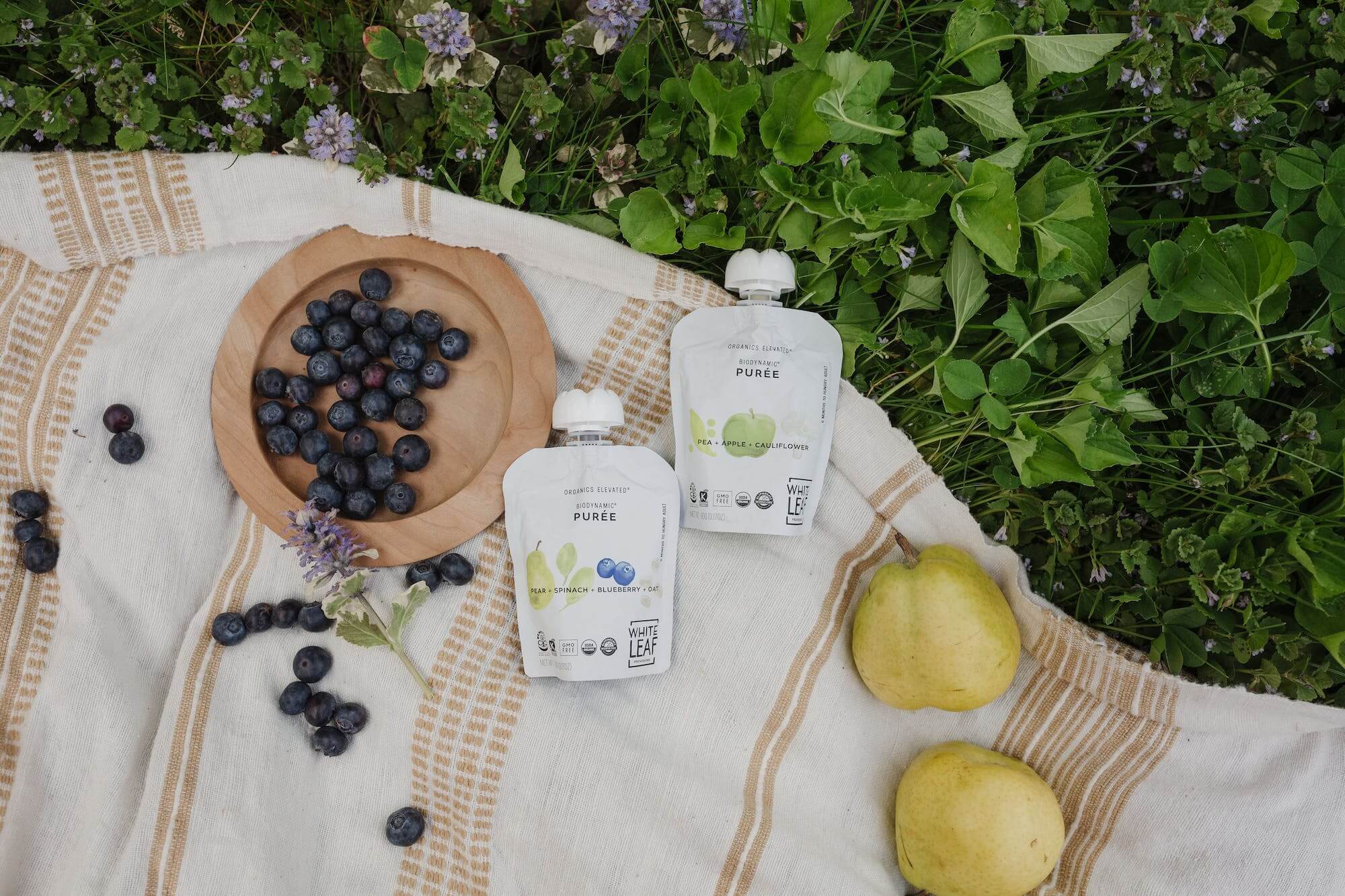
The gold standard in baby food, offering Demeter-certified biodynamic ingredients that exceed organic standards for soil health and purity.

A gold standard in ethical confectionery, combining fair-pay labor practices with regenerative cocoa farming that restores biodiversity in the Ivory Coast and Ghana.

A gold-standard breakfast staple sourced from family-owned farms in Montana using regenerative practices that actively sequester carbon and restore soil health.
What Smarties is rated on
Smarties (made by Nestlé) score moderately on packaging—they transitioned to recyclable paper tubes in 2021 and eliminated plastic windows. They have never used artificial colors or preservatives. Their cocoa is Rainforest Alliance certified, but the brand lacks fair trade or organic certifications. The major ethical drawback is ownership: Nestlé is a frequent target of boycotts for its role in water privatization in developing countries and for palm oil sourced from suppliers linked to deforestation. Smarties are not tested on animals, in line with global bans.
How the alternatives were picked
We looked for confectionery brands that (1) are independently owned or owned by companies with strong ethical track records, (2) use certified fair trade or organic ingredients, and (3) offer plastic-free or minimal packaging. Each alternative must also avoid artificial additives and be widely available (online or in stores). We excluded any brand linked to Nestlé or other companies with major ethical controversies.
What to check on the label
Look for these certifications and claims when choosing an alternative: Fair Trade Certified (ensures farmers receive fair prices), Organic (no synthetic pesticides), and Rainforest Alliance or UTZ (for sustainable farming). Check that the packaging is made from recycled or compostable materials—many ethical brands use paper boxes or compostable wrappers. Also, verify not tested on animals labels; most ethical alternatives are, but it’s worth confirming. Finally, choose brands that disclose their palm oil sourcing (if used) and commit to deforestation-free supply chains.
Frequently asked about Smarties alternatives
Are Smarties vegan?+
Smarties (UK and EU versions) are considered vegan-friendly as they contain no animal-derived ingredients. However, the brand is owned by Nestlé, which many ethical shoppers avoid for other reasons.
Do Smarties contain artificial colors?+
No. Smarties have not used artificial colors since the 2000s. They use natural colorings derived from fruits, vegetables, and spices, which is a positive feature.
Why is Nestlé’s palm oil sourcing controversial?+
Nestlé has been criticized for purchasing palm oil from suppliers that have been linked to deforestation, habitat destruction, and human rights abuses, though the company has made some commitments to sustainability.
What certifications should ethical alternatives have?+
Look for Fair Trade, Organic, or Rainforest Alliance certifications. These ensure better environmental and social standards than Smarties’ current Rainforest Alliance-only certification.