Is Smarties ethical and cruelty-free?
We do not yet have enough verified data to score Smarties.
Smarties, owned by Nestlé, is a confectionery brand with a notable shift toward sustainable packaging and a long-standing commitment to avoiding artificial colors and preservatives. While the brand has made progress in reducing plastic and introducing recyclable paper packaging, its alignment with Nestlé's broader controversies around water privatization and palm oil sourcing limits its ethical standing.
The evidence, signal by signal
Cruelty-freeunverified
Smarties are not tested on animals, in line with Nestlé’s compliance with global regulatory bans.
Vegan optionsunverified
The core Smarties product is vegan-friendly in most markets, though not certified, and some variants may contain milk.
Third-party certifiedunverified
We don't track any of this brand's products yet, so product-level certifications are unchecked.
Public pledges: Smarties uses 100% recyclable paper packaging (UK/EU) and sources Rainforest Alliance Certified cocoa as part of Nestlé’s Income Accelerator Program.
Scored with our public methodology. Profile last updated 2026-10-02.
Research notes on Smarties
Compiled from the brand's own statements and the public sources listed below, last reviewed 2026-10-02. We don't stock Smarties products, so nothing here is checked against product records.
Overview
Smarties is a popular chocolate candy brand originally created in 1937, known for its colorful button-shaped chocolates. Since 2021, Smarties has been fully owned by Nestlé, one of the world's largest food and beverage companies. The brand has positioned itself as a more responsible confectionery option by eliminating artificial colors and preservatives, switching to 100% recyclable paper packaging for its core products in the UK and EU, and committing to sustainably sourced cocoa. However, its overall ethical profile is significantly shaped by Nestlé’s corporate practices, which have faced criticism for water exploitation, deforestation risks, and insufficient living income for cocoa farmers.
Certifications
- Rainforest Alliance Certified Cocoa: Smarties uses cocoa sourced from Rainforest Alliance Certified farms, aiming to support biodiversity and better livelihoods for farmers.
- No Artificial Colors or Preservatives: Smarties in many markets are free from synthetic dyes, using natural colorings like turmeric, spirulina, and beetroot.
- Nutri-Grade (Singapore): In some markets, Smarties carry a Nutri-Grade C rating due to sugar content, but this is not a certification of ethical production.
Notably, Smarties do not carry Fairtrade, B Corp, or Vegan Society certification, though the brand is considered vegan in most formulations.
Animal testing & vegan range
Smarties are not tested on animals, as Nestlé adheres to regulatory bans on animal testing for cosmetics or food ingredients. The core Smarties product is vegan-friendly in many markets, as it contains no milk or other animal-derived ingredients. However, Nestlé does not guarantee that all variants (e.g., white chocolate Smarties) are vegan, and cross-contamination risks exist. The brand does not hold formal vegan certification.
Sustainability pledges
Smarties has made notable packaging commitments: In 2021, it launched 100% recyclable paper packaging for Smarties in the UK, removing plastic tubes and replacing them with paper. Nestlé has pledged to make 100% of its packaging recyclable or reusable by 2025. On cocoa, Smarties sources from Rainforest Alliance Certified farms as part of Nestlé’s Income Accelerator Program, which aims to address child labor risks and improve farmer incomes. Nestlé also claims a commitment to deforestation-free cocoa by 2025, though independent audits show mixed progress.
Sourcing & labor
Cocoa for Smarties is sourced primarily from West Africa, where Nestlé operates the Cocoa Plan. Nestlé has faced repeated allegations of child labor and forced labor in its cocoa supply chain. The company has implemented monitoring and remediation systems, such as the Child Labour Monitoring and Remediation System (CLMRS), but critics argue these systems cover only a fraction of farms. Nestlé’s broader supply chain also includes palm oil, which has been linked to deforestation and human rights issues. Smarties do not contain palm oil, but other Nestlé products do, affecting the parent company's overall ethical rating.
Controversies context
While Smarties itself has no major direct controversies, its parent company Nestlé is one of the most boycotted companies globally. Nestlé has faced decades of criticism for marketing infant formula in developing countries, water privatization (e.g., the California water crisis), and human rights abuses in cocoa and seafood supply chains. Smarties’ ethical stance is partly undermined by Nestlé’s overall corporate behavior, though the brand has been given some credit for its independent packaging innovation and removal of artificial additives.
Bottom line
Smarties offers a better choice within the conventional candy aisle due to its recyclable paper packaging, lack of artificial colors, and Rainforest Alliance-certified cocoa. However, the brand’s ownership by Nestlé raises significant ethical concerns regarding labor practices, environmental impact, and corporate accountability. Conscious consumers looking for a fully ethical chocolate option may prefer smaller certified brands with transparent supply chains and independent certifications.
High-scoring food & nutrition picks to compare
Top-scoring products from other brands in the category Smarties sells in. A starting point for comparison, not proof that each one beats Smarties.

The gold standard for ethical food production, this coconut oil uses regenerative organic practices and fair trade labor to set a benchmark for corporate responsibility.
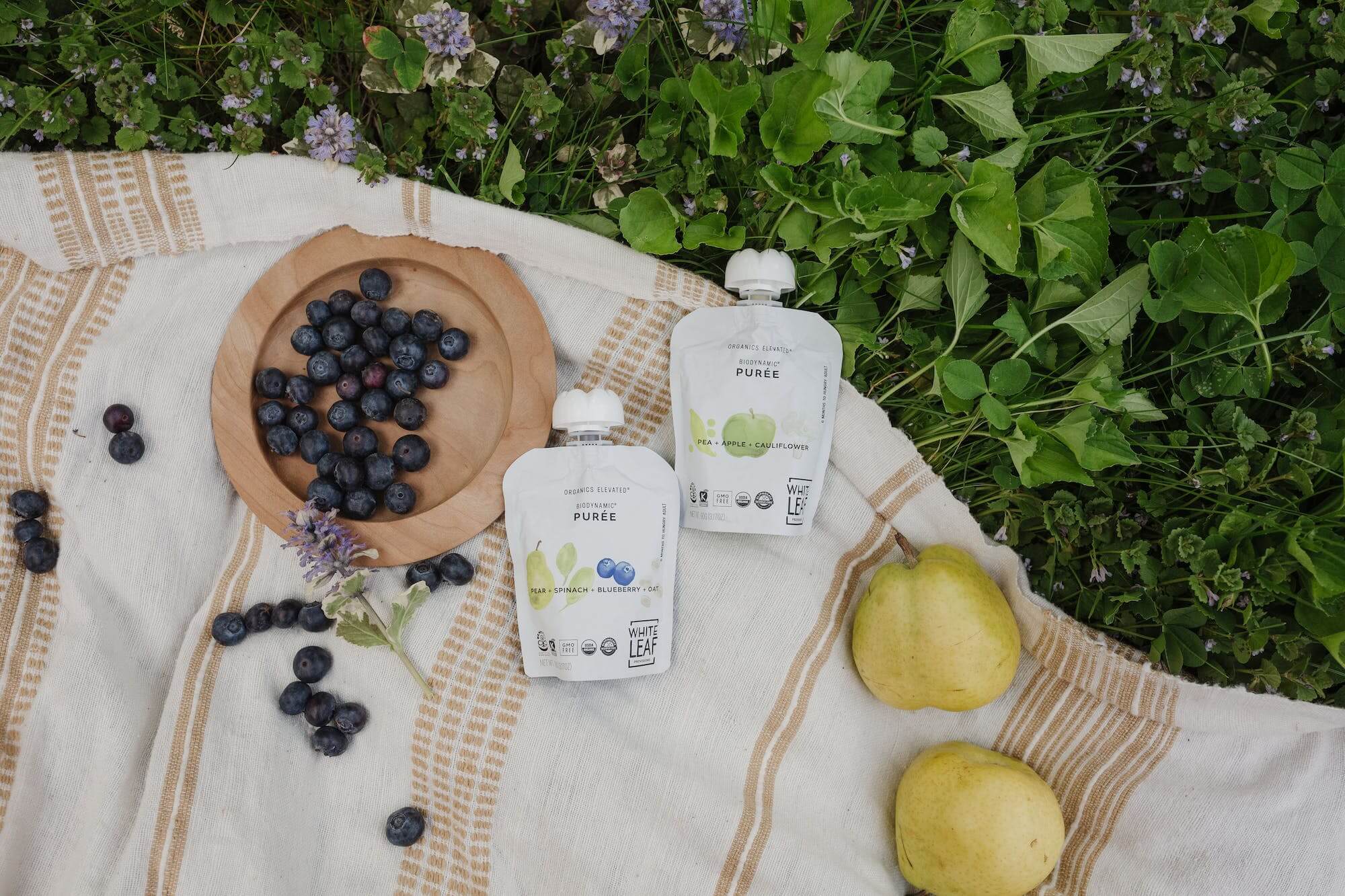
The gold standard in baby food, offering Demeter-certified biodynamic ingredients that exceed organic standards for soil health and purity.

Exquisite heirloom Malagasy cocoa produced entirely at the source in Madagascar. This professional-grade bulk trunk supports direct-trade and lemur habitat conservation.

A nutrient-dense heirloom grain sourced through fully transparent supply chains that support regenerative farming practices in the Peruvian Andes.

A women-owned B Corp that prioritizes equitable purchasing and environmental stewardship through long-term farmer partnerships.

The gold standard in European baby food, Holle's Demeter-certified porridges offer chemical-free nutrition for infants. A top-rated staple for health-conscious parents in urban environments.
More on Smarties
Is Smarties ethical? FAQs
Is Smarties cruelty-free?+
Smarties are not tested on animals, in line with Nestlé’s compliance with global regulatory bans.
Does Smarties have vegan products?+
The core Smarties product is vegan-friendly in most markets, though not certified, and some variants may contain milk.
What is Smarties' ethics score?+
We don't score any Smarties products yet, so there is no ethics score. The signals above come from the brand profile and the sources listed on this page.
What are the best alternatives to Smarties?+
High-scoring food & nutrition products to compare include Dr. Bronner’s Whole Kernel Virgin Coconut Oil by Dr. Bronner's, Biodynamic Veggie & Grain Pouch Variety Pack (24-Pack) by White Leaf Provisions, Luxury Single-Origin Dark Chocolate Professional Collection - 20kg Chef's Trunk by Beyond Good.