Ethical Alternatives to Starbucks
Starbucks is a global coffeehouse chain with notable sustainability commitments, including Rainforest Alliance certification via C.A.F.E. Practices and partial Fair Trade certification. However, its scale presents inherent challenges such as single-use cup waste and ongoing labor disputes, prompting shoppers to explore more ethically aligned coffee options.
Categories compared: Food & Nutrition, Kitchen & Dining, Gifts & Seasonal
Why shoppers look for alternatives to Starbucks
- Single-use cup waste: Starbucks uses billions of disposable cups annually, with recycling rates below 10% in many markets.
- Labor disputes: The chain has faced multiple unionization efforts and allegations of unfair labor practices in the U.S.
- Partial certification coverage: Only a portion of its coffee is Fair Trade Certified, leaving room for improvement in farmer wages.
- Environmental footprint: Large-scale operations and global supply chains contribute to significant carbon emissions and water usage.
Top-scoring alternatives to Starbucks

The gold standard for ethical food production, this coconut oil uses regenerative organic practices and fair trade labor to set a benchmark for corporate responsibility.

A zero-waste bathroom essential hand-crafted by women's cooperatives, perfect for exfoliating and extending the life of soap.

The gold standard in ethical soap, these travel-sized bottles are perfect for wellness pros on the go, featuring 100% PCR packaging and fair-trade ingredients.
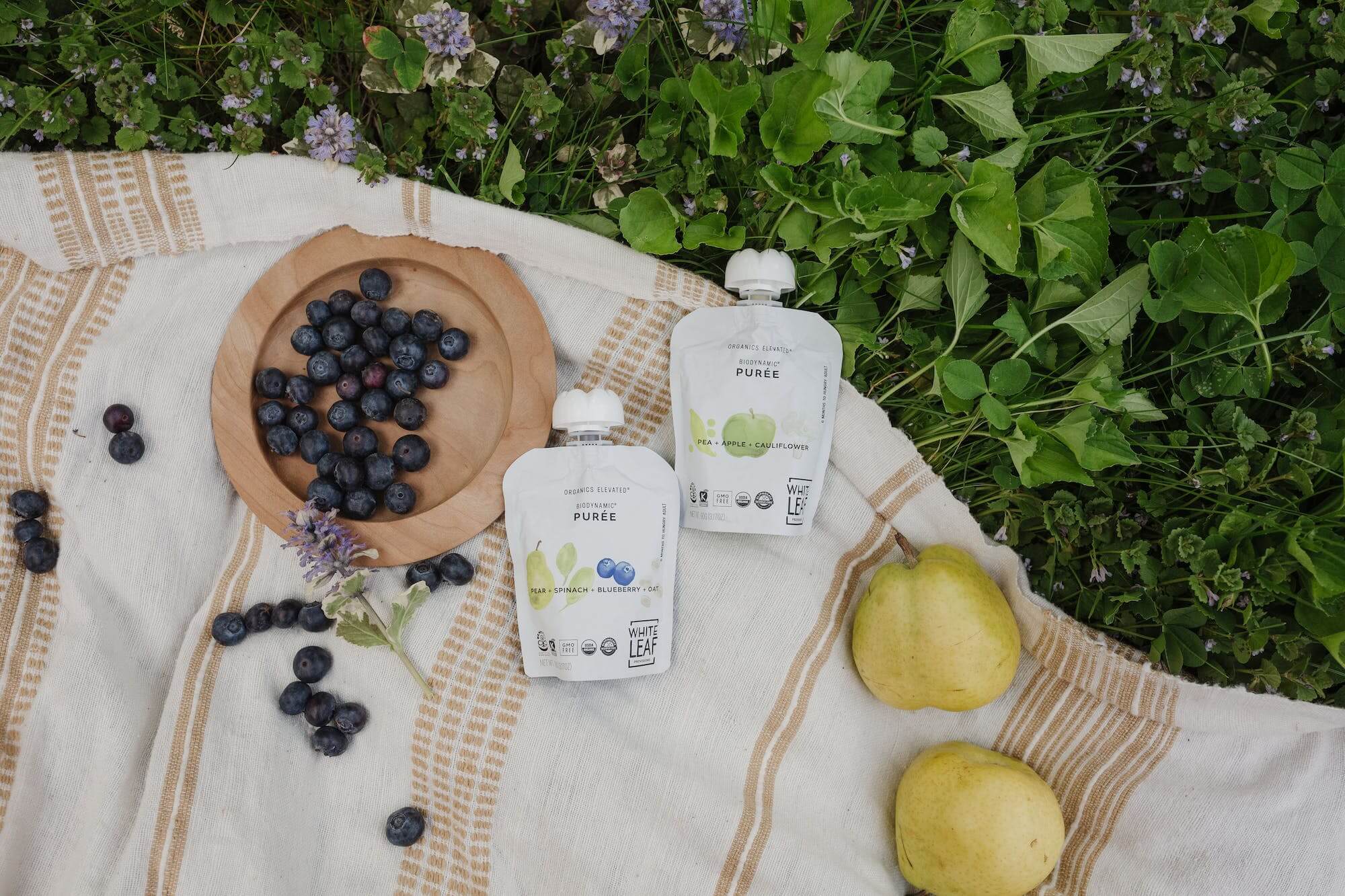
The gold standard in baby food, offering Demeter-certified biodynamic ingredients that exceed organic standards for soil health and purity.
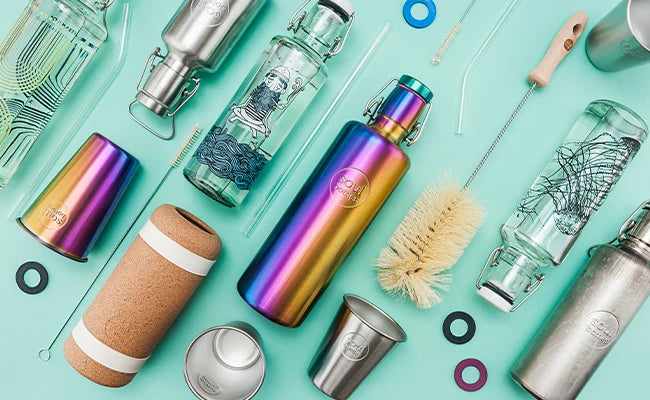
A 100% plastic-free, carbon-neutral glass bottle made in Germany, featuring stunning artist-designed motifs and a swing-top closure.

A gold standard in ethical confectionery, combining fair-pay labor practices with regenerative cocoa farming that restores biodiversity in the Ivory Coast and Ghana.
A gold standard in ethical confectionery, using regenerative farming to combat climate change while ensuring living wages for cocoa farmers.

Exquisite, handcrafted serving utensils made by artisans in Kenya. Each set supports fair wages and preserves traditional woodworking techniques using sustainably harvested olive wood.

Exquisite heirloom Malagasy cocoa produced entirely at the source in Madagascar. This professional-grade bulk trunk supports direct-trade and lemur habitat conservation.

A nutrient-dense heirloom grain sourced through fully transparent supply chains that support regenerative farming practices in the Peruvian Andes.

Exquisite hand-woven table linens designed by a Brooklyn-based Ethiopian-American designer and crafted by artisans in Ethiopia using GOTS-certified organic cotton.

A high-quality, reusable alternative to disposable paper towels, handmade in Oregon from sustainable materials to drastically reduce household waste.
What Starbucks is rated on
Starbucks participates in several recognized certification programs. Its core coffee sourcing follows C.A.F.E. Practices, verified by the Rainforest Alliance, which covers environmental and social standards. A smaller percentage of its coffee is also Fair Trade Certified, and some stores hold LEED certification for energy and water efficiency. The company has a partnership with Conservation International and maintains a no animal testing policy (though as a food company, this is standard). However, critics point to persistent issues: single-use cup waste, with less than 10% of cups recycled globally; labor disputes involving union-busting allegations; and the environmental cost of a massive global supply chain. These factors make it a mid-range ethical performer—good intentions, but undermined by scale.
How the alternatives were picked
We selected alternatives that address Starbucks’ weakest ethical areas. All recommended brands are independently verified by at least one third-party certification that Starbucks lacks or only partially covers. We prioritized companies that: (1) offer fully compostable or reusable packaging systems; (2) carry 100% Fair Trade or Direct Trade certification for their coffee; (3) have strong worker-owned or cooperative business models; and (4) maintain transparent, low-carbon supply chains. Examples include smaller roasters that source exclusively from cooperatives, local cafés that use returnable cup programs, and subscription services that ship in plastic-free packaging. None of the alternatives are perfect, but each outperforms Starbucks on at least two of the criteria above.
What to check on the label
When evaluating coffee alternatives, look for these specific certifications and claims: Fair Trade Certified (ensures minimum price and community investment for farmers); Rainforest Alliance Certified (covers environmental and social criteria, similar to Starbucks but often stricter for smaller producers); Organic (prohibits synthetic pesticides and fertilizers); Direct Trade (often offers higher farmer payments but lacks third-party auditing—vet the roaster’s transparency). Also check packaging: Compostable or reusable cup systems reduce single-use waste. Avoid brands that use ‘biodegradable’ without certification (often misleading). For labor ethics, seek out worker-owned cooperatives or companies with B Corp certification, which assesses governance and worker treatment. Lastly, verify if the brand publishes annual sustainability reports that include supply chain audits—this indicates accountability beyond labels.
How to judge a suggested brand alternative
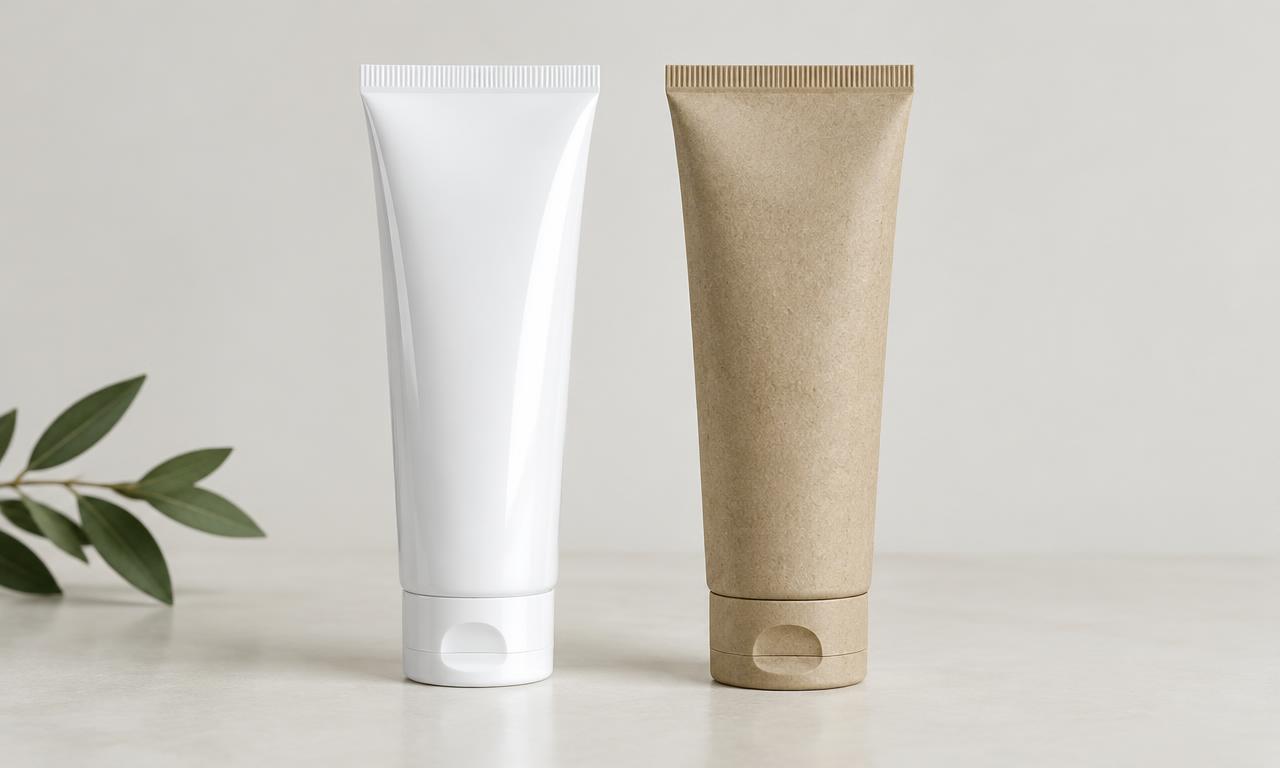
An alternatives page is a starting shortlist, not proof that one brand is universally better than another. The suggestions come from our catalogue: published products in a similar category with a recorded ethics score. They answer a narrow question — which products we list might fit the same need — and they cannot tell you which option performs best, suits your skin or diet, or matches your budget.
Match the job before the score
Start with what the original product does for you: format, size, scent, skin or dietary requirements and where you buy it. A higher-scoring alternative is not useful if it comes in a format you cannot use or is not sold where you shop. Check the alternative's full record — purpose, ingredients, price and seller — before treating it as a replacement.
Compare evidence, not impressions
Read certifications at their stated scope: a scheme may cover one range, one material or a named entity rather than a whole brand. An animal-free ingredient list and an animal-testing policy are separate questions, and a parent company's record is a third. Where a claim matters to you, confirm it in the scheme's own directory or the manufacturer's current statement rather than relying on a badge alone.
Keep the limits of the comparison visible
Catalogue scores are AI-assisted assessments with documented limitations, not laboratory measurements. A missing score is a data gap, not a failing grade. The original brand's presence here reflects what our records contain, which may omit reformulations, regional differences or newer certifications. For health, safety or recall concerns, use official sources rather than any score.
| Check | Where to confirm it | Avoid assuming |
|---|---|---|
| Does the alternative do the same job? | Its full product record and the maker's current description | A similar category means a like-for-like replacement |
| Is a claimed certification current? | The certification scheme's official directory | A badge covers the whole brand or group |
| Is it actually available to you? | The retailer's current listing, price and delivery | A catalogue price tier is a live quote |
Frequently asked about Starbucks alternatives
Does Starbucks have any Fair Trade certification?+
Yes, Starbucks sources a portion of its coffee as Fair Trade Certified, but it is not 100% certified. The majority of its coffee is verified through its own C.A.F.E. Practices program, which is third-party audited but less rigorous than Fair Trade in some farmer-payment criteria.
How does Starbucks’ environmental record compare to small roasters?+
Starbucks has LEED-certified stores and a partnership with Conservation International, but its single-use cup waste is a major problem—billions of cups annually with low recycling rates. Many small roasters use fully compostable packaging or deposit-based returnable cup programs, and their smaller supply chains produce lower carbon emissions per cup.
What are the main labor issues at Starbucks?+
Public records show Starbucks has faced multiple unfair labor practice charges from the National Labor Relations Board (NLRB) related to union-busting activities, including store closures and employee retaliation. The company disputes these claims, but the pattern has led many ethical shoppers to seek alternatives with stronger worker ownership or co-op structures.
Can I find ethical coffee alternatives that are also convenient?+
Yes. Subscription services and local coffee shops increasingly offer compostable pods, bulk bean delivery, and reusable cup programs. Brands like Counter Culture Coffee, Equal Exchange, and smaller regional roasters often provide online ordering with carbon-neutral shipping, combining ethics with convenience.