Is Starbucks ethical and cruelty-free?
Mixed — Starbucks clears 1 of 4 ethics signals and fails 1, so it depends which issue matters most to you.
Starbucks is a global coffeehouse chain with notable sustainability and ethical sourcing commitments, though its size and business model pose inherent challenges to full ethical alignment, such as environmental impact from single-use cups and labor disputes.
The evidence, signal by signal
Cruelty-freeverified
No animal testing conducted; no formal policy as it is a food company.
Vegan optionsunverified
Starbucks offers plant-based milk alternatives and select vegan food items; varies by region.
Sells in mainland Chinaflagged
Selling through mainland Chinese retail has historically triggered post-market animal testing.
Third-party certifiedunverified
We don't track any of this brand's products yet, so product-level certifications are unchecked.
Public pledges: Resource positive by 2030 (net-zero carbon, waste elimination, water replenishment).
Scored with our public methodology. Profile last updated 2026-09-28.
Research notes on Starbucks
Compiled from the brand's own statements and the public sources listed below, last reviewed 2026-09-28. We don't stock Starbucks products, so nothing here is checked against product records.
Overview
Starbucks Corporation, founded in 1971 in Seattle, Washington, is the world's largest coffeehouse chain, operating over 35,000 stores globally. The company has positioned itself as a leader in corporate social responsibility, with stated commitments to ethically sourced coffee, community engagement, and environmental sustainability. Starbucks sources its coffee beans through its Coffee and Farmer Equity (C.A.F.E.) Practices, which are third-party verified. Despite these efforts, the brand faces ongoing scrutiny regarding labor practices, unionization conflicts, and its contribution to single-use waste. This profile evaluates Starbucks based on publicly available information across key ethical dimensions.
Certifications
Starbucks holds several certifications and verification programs. The brand is a participant in the Rainforest Alliance certification through its C.A.F.E. Practices, which covers 99% of its coffee as ethically sourced (as of their latest reporting). Starbucks is also Fair Trade Certified for a portion of its coffee purchases. Additionally, the company has earned LEED (Leadership in Energy and Environmental Design) certifications for many of its stores. Starbucks is not B Corp certified, nor does it have an overarching organic certification; the majority of its coffee is not organic. The brand also has a partnership with Conservation International to promote sustainable coffee farming.
Animal testing & vegan range
Starbucks does not conduct animal testing on its products, as it is a food and beverage company, not a cosmetic or pharmaceutical entity. However, the brand does not have a formal animal testing policy beyond standard food safety regulations. Starbucks offers a growing vegan range, including plant-based milk alternatives (soy, almond, oat, coconut), vegan breakfast items (e.g., the Impossible Breakfast Sandwich in select markets), and several vegan-friendly syrups and snacks. The company has committed to a 50% reduction in its global menu’s carbon footprint by 2030, which includes promoting plant-based options. However, cross-contamination risks in stores are not explicitly addressed, and vegan options vary by region.
Sustainability pledges
Starbucks has announced ambitious sustainability goals, including becoming resource positive by 2030—meaning it aims to store more carbon than it emits, eliminate waste, and replenish more water than it uses. The company has pledged to transition to 100% reusable or recyclable packaging by 2025 and has introduced a reusable cup program in several markets. Starbucks also aims to reduce its carbon emissions by 50% by 2030 (from a 2019 baseline). The brand is investing in regenerative agricultural practices for its coffee supply chain. However, critics note that the company continues to rely heavily on single-use cups and has faced difficulties implementing reusable cup systems at scale. Starbucks also has a commitment to zero deforestation for its coffee, tea, and cocoa by 2025.
Sourcing & labor
Starbucks sources 99% of its coffee through its C.A.F.E. Practices program, which includes minimum social and environmental standards. The company has also committed to 100% ethical sourcing of its tea and cocoa. On the labor front, Starbucks has faced significant controversies regarding unionization efforts in the United States, where workers have organized to improve wages, scheduling, and working conditions. The company has been accused of anti-union tactics, including store closures and retaliation. Starbucks has responded with a pledge to negotiate in good faith, though the National Labor Relations Board has issued multiple complaints. Internationally, Starbucks pays local minimum wages but has been criticized for labor conditions in coffee-producing countries, though its programs aim to improve farmer livelihoods.
Controversies context
While no major irreparable controversies are on record, Starbucks has faced notable ethical challenges. These include the 2018 arrest of two Black men in a Philadelphia store for trespassing, leading to widespread accusations of racial bias and a subsequent day-long racial training closure for 8,000 stores. The brand also experienced tax avoidance controversies in the UK and Europe, where it was criticized for using tax optimization strategies. Additionally, the company’s single-use cup waste remains a persistent environmental issue, despite recycling programs. Starbucks has also been criticized for its partnership with Nestlé (which has a controversial water-bottling history) for packaged coffee sales.
Bottom line
Starbucks demonstrates genuine commitment to ethical sourcing and sustainability through verifiable programs like C.A.F.E. Practices and ambitious 2030 goals. However, the company's sheer scale creates systemic challenges: labor disputes over unionization, reliance on single-use packaging, and environmental impacts from global operations. For the ethical consumer, Starbucks is a better choice than many conventional fast-food chains, but it falls short of leaders in the specialty coffee space (e.g., small-scale Fair Trade roasters). The brand’s progress is commendable but incomplete, making it a middle-ground option for those seeking convenience with some ethical safeguards.
High-scoring food & nutrition picks to compare
Top-scoring products from other brands in the category Starbucks sells in. A starting point for comparison, not proof that each one beats Starbucks.

The gold standard for ethical food production, this coconut oil uses regenerative organic practices and fair trade labor to set a benchmark for corporate responsibility.
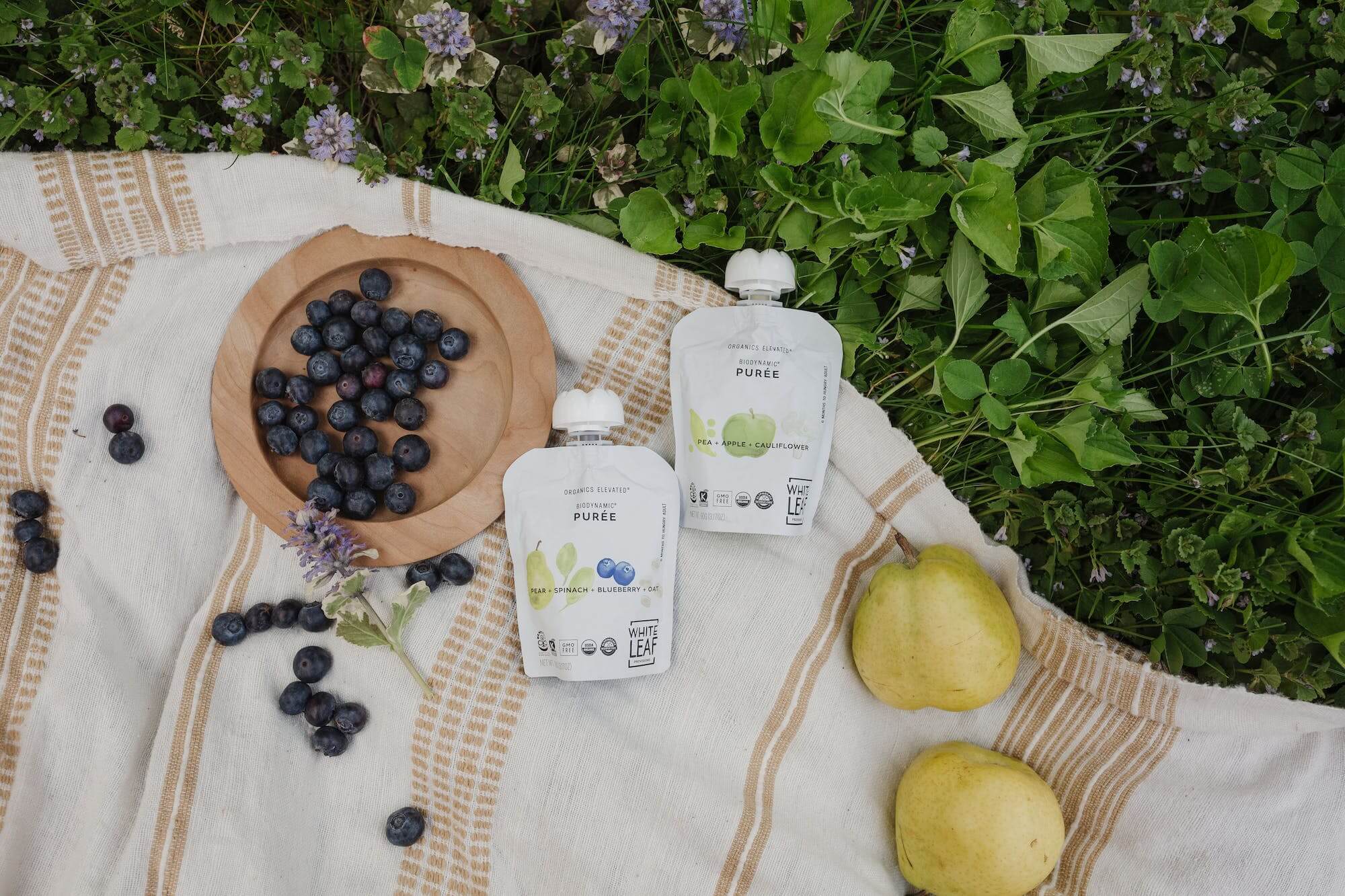
The gold standard in baby food, offering Demeter-certified biodynamic ingredients that exceed organic standards for soil health and purity.

Exquisite heirloom Malagasy cocoa produced entirely at the source in Madagascar. This professional-grade bulk trunk supports direct-trade and lemur habitat conservation.

A nutrient-dense heirloom grain sourced through fully transparent supply chains that support regenerative farming practices in the Peruvian Andes.

A women-owned B Corp that prioritizes equitable purchasing and environmental stewardship through long-term farmer partnerships.

The gold standard in European baby food, Holle's Demeter-certified porridges offer chemical-free nutrition for infants. A top-rated staple for health-conscious parents in urban environments.
More on Starbucks
Is Starbucks ethical? FAQs
Is Starbucks cruelty-free?+
No animal testing conducted; no formal policy as it is a food company.
Does Starbucks have vegan products?+
Starbucks offers plant-based milk alternatives and select vegan food items; varies by region.
Does Starbucks sell in mainland China?+
Selling through mainland Chinese retail has historically triggered post-market animal testing.
What is Starbucks' ethics score?+
We don't score any Starbucks products yet, so there is no ethics score. The signals above come from the brand profile and the sources listed on this page.
What are the best alternatives to Starbucks?+
High-scoring food & nutrition products to compare include Dr. Bronner’s Whole Kernel Virgin Coconut Oil by Dr. Bronner's, Biodynamic Veggie & Grain Pouch Variety Pack (24-Pack) by White Leaf Provisions, Luxury Single-Origin Dark Chocolate Professional Collection - 20kg Chef's Trunk by Beyond Good.