Ethical Alternatives to swheat scoop
Swheat Scoop is a highly ethical, plant-based clumping cat litter made from naturally renewable wheat, scoring 88/100 for its strong commitments to non-GMO ingredients, cruelty-free certifications, and FSC-certified packaging. It has no major controversies on record. However, some shoppers seek alternatives due to specific preferences like texture, dust levels, or price, while still prioritizing similar ethical standards.
Categories compared: Pet Care, Home & Cleaning
Why shoppers look for alternatives to swheat scoop
- Prefer a litter with lower dust or different texture (e.g., wood, paper, or walnut-based).
- Seeking a more affordable ethical option without compromising on certifications.
- Need a litter that clumps more firmly or manages odor differently for specific cat preferences.
- Want to explore other plant-based materials (corn, pine, coconut) that may have different environmental impacts.
- Availability issues in your region — Swheat Scoop may not be stocked locally or may have shipping constraints.
Top-scoring alternatives to swheat scoop

The gold standard for multi-purpose ethical cleaning, featuring organic oils and fair trade sourcing in a post-consumer recycled bottle.

The gold standard of ethical cleaning; a multi-use, highly concentrated liquid soap made with organic oils and fair trade ingredients.
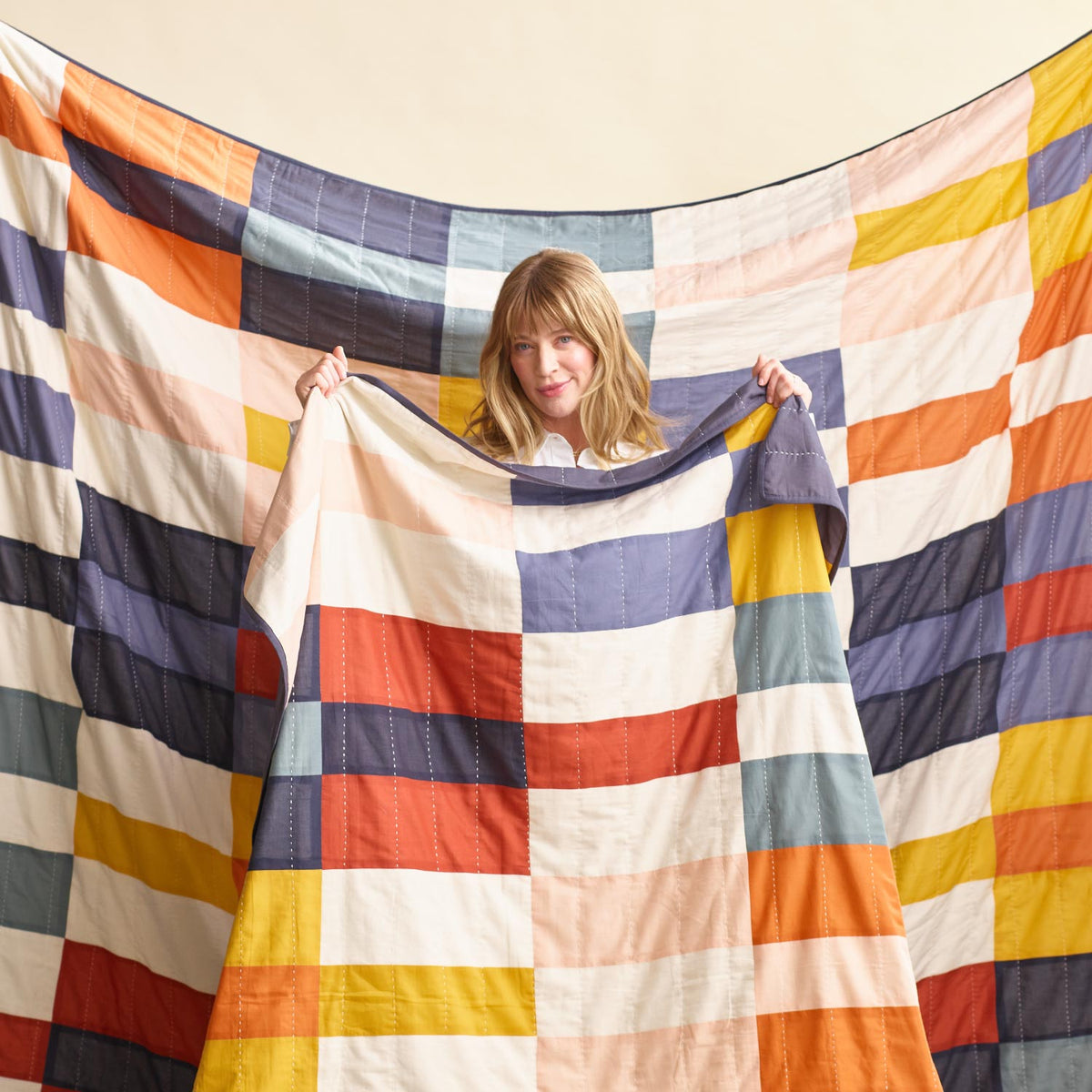
A stunning, artisan-made throw that supports women’s empowerment in India while utilizing 100% plant-based, organic fibers.

A high-protein, plant-based dog food that drastically reduces the environmental impact of pet ownership without sacrificing nutrition.

A truly organic grooming solution that uses zero synthetic chemicals, focusing on skin health through saponified organic oils.

A premium, hand-woven enrichment mat crafted from single-origin Moroccan wool, designed for urban dogs to forage for treats in small apartment spaces.

The ultimate paper-towel alternative, these OEKO-TEX certified cloths use just water to clean, removing 99% of bacteria and leaving a streak-free finish on all glass surfaces.

A gold standard in ethical manufacturing, this concentrated multi-surface cleaner uses regenerative organic oils and fair trade sourcing to provide a zero-waste, non-toxic solution for every room in the home.

Industry-leading transparency with 100% traceable ingredients and high-welfare seafood standards.
An industry-leading organic shampoo that sets the gold standard for non-toxic pet grooming, using 100% biodegradable, plant-based ingredients.
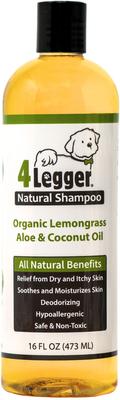
A woman-owned brand producing truly organic, non-toxic pet grooming products that set the gold standard for safety.

A rugged, handcrafted hemp collar produced by a German veteran-owned boutique, offering a biodegradable and plastic-free alternative to nylon gear.
What Swheat Scoop is rated on
Swheat Scoop earns a strong 88/100 ethical score. Key factors include: Non-GMO certification on all wheat ingredients, Leaping Bunny cruelty-free certification (no animal testing), and FSC-certified packaging (ensuring responsibly sourced paper). The brand uses naturally renewable wheat, avoids synthetic fragrances, and has no public controversies or lawsuits. Its plant-based, biodegradable formula makes it a top choice for eco-conscious pet owners.
How the alternatives were picked
We selected alternatives that match Swheat Scoop’s core ethical commitments: plant-based materials, no animal testing, and non-GMO ingredients where applicable. Each option was cross-referenced with certification databases and brand transparency reports. We prioritized brands that have at least one third-party certification (e.g., Leaping Bunny, USDA Organic, FSC) and no verified links to animal testing or GMO controversies. Price, regional availability, and customer feedback on clumping/odor control were also considered to offer practical choices.
What to check on the label
When choosing an ethical cat litter, look for these markers: Cruelty-free — a Leaping Bunny or PETA-certified logo confirms no animal testing. Non-GMO — the Non-GMO Project Verified seal ensures ingredients aren’t genetically modified. Sustainable sourcing — FSC certification for paper packaging or a statement about renewable plant materials (e.g., wheat, corn, pine). Also check for biodegradability claims — most plant-based litters break down naturally, but verify if they are flushable or compostable per local guidelines. Avoid litters with synthetic fragrances or dyes, which can irritate cats and the environment.
How to judge a suggested brand alternative
An alternatives page is a starting shortlist, not proof that one brand is universally better than another. The suggestions come from our catalogue: published products in a similar category with a recorded ethics score. They answer a narrow question — which products we list might fit the same need — and they cannot tell you which option performs best, suits your skin or diet, or matches your budget.
Match the job before the score
Start with what the original product does for you: format, size, scent, skin or dietary requirements and where you buy it. A higher-scoring alternative is not useful if it comes in a format you cannot use or is not sold where you shop. Check the alternative's full record — purpose, ingredients, price and seller — before treating it as a replacement.
Compare evidence, not impressions
Read certifications at their stated scope: a scheme may cover one range, one material or a named entity rather than a whole brand. An animal-free ingredient list and an animal-testing policy are separate questions, and a parent company's record is a third. Where a claim matters to you, confirm it in the scheme's own directory or the manufacturer's current statement rather than relying on a badge alone.
Keep the limits of the comparison visible
Catalogue scores are AI-assisted assessments with documented limitations, not laboratory measurements. A missing score is a data gap, not a failing grade. The original brand's presence here reflects what our records contain, which may omit reformulations, regional differences or newer certifications. For health, safety or recall concerns, use official sources rather than any score.
| Check | Where to confirm it | Avoid assuming |
|---|---|---|
| Does the alternative do the same job? | Its full product record and the maker's current description | A similar category means a like-for-like replacement |
| Is a claimed certification current? | The certification scheme's official directory | A badge covers the whole brand or group |
| Is it actually available to you? | The retailer's current listing, price and delivery | A catalogue price tier is a live quote |
Frequently asked about swheat scoop alternatives
Does Swheat Scoop test on animals?+
No, Swheat Scoop is Leaping Bunny certified, meaning they do not conduct or commission animal testing at any stage of production.
Are the ingredients in Swheat Scoop non-GMO?+
Yes, the wheat used in Swheat Scoop carries the Non-GMO Project Verified seal, confirming no genetically modified ingredients.
What certifications does Swheat Scoop have?+
Swheat Scoop holds three key certifications: Non-GMO Project Verified, Leaping Bunny Cruelty-Free, and FSC-certified packaging for sustainable forestry.
Are there other plant-based cat litters with similar ethical ratings?+
Yes, brands like World’s Best Cat Litter (corn-based, Non-GMO, Leaping Bunny) and Ökocat (wood-based, FSC) also score high on ethics, though each may vary in clumping and dust control.