Ethical Alternatives to Taste of the Wild
Taste of the Wild is a grain-free pet food brand owned by Diamond Pet Foods, known for novel protein recipes and limited-ingredient formulas. However, it lacks third-party ethical certifications, its parent company has no public animal testing policy, and ingredient sourcing transparency has faced scrutiny. This page highlights alternative pet food brands that meet higher ethical standards.
Categories compared: Pet Care
Why shoppers look for alternatives to Taste of the Wild
- Taste of the Wild has no third-party ethical certifications (e.g., B Corp, USDA Organic, or Non-GMO Project Verified) to verify its sourcing or production claims.
- Diamond Pet Foods, the parent company, has not publicly stated a formal policy against animal testing, leaving animal welfare commitments unclear.
- The brand has faced consumer scrutiny over ingredient sourcing transparency, including the origin of its novel proteins and potential cross-contamination risks.
- AAFCO nutritional standards are met, but these are minimal safety guidelines, not ethical benchmarks—many alternative brands exceed them with additional certifications.
Top-scoring alternatives to Taste of the Wild

A truly organic, non-toxic dog shampoo that sets the gold standard for safety and environmental purity in pet grooming.
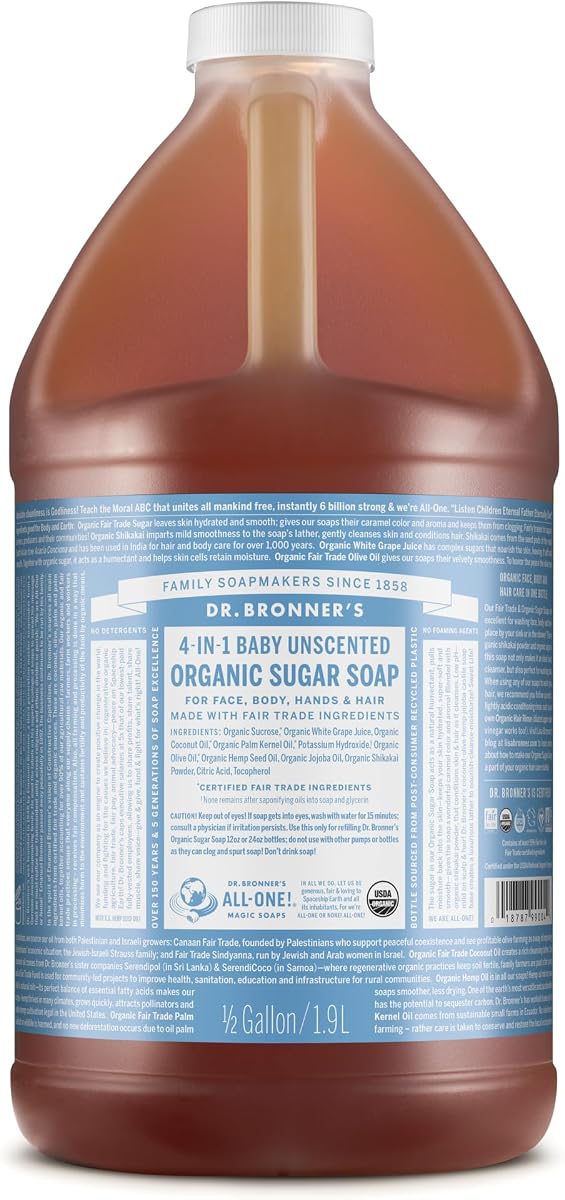
A multi-use, fair-trade organic soap that is gentle enough for pets yet effective at removing grime and odors.

A truly organic, non-toxic grooming solution that sets the gold standard for pet safety and environmental responsibility.

The gold standard for ethical personal and pet care. Dr. Bronner’s Peppermint Pure-Castile Soap is biodegradable, fair trade, and highly concentrated for multi-purpose use.

A legendary multi-use soap that is widely recommended by groomers for pets due to its organic, fair-trade ingredients and complete lack of synthetic detergents.

A soothing, organic balm for dry paws and noses, crafted with Fair Trade ingredients and a legacy of social activism.
An ultra-clean, soothing balm for cracked paws and dry noses. Crafted with Regenerative Organic Certified ingredients, this multi-purpose balm is safe for pets who lick their paws and is produced under world-class fair trade standards.

A versatile, highly ethical organic soap perfect for pet bathing. Using fair-trade ingredients and regenerative farming practices, it provides a gentle, effective clean without synthetic detergents.
A versatile, fair-trade certified organic soap that is gentle enough for pets and tough on dirt, formulated with nourishing sugar and calming lavender.

An industry-leading organic dog shampoo that sets the standard for ingredient purity and environmental safety. 4Legger avoids all synthetic chemicals, focusing on a true saponified oil base that is safe for sensitive skin and the planet.

A fully sweatshop-free, chemical-free pet bed handcrafted from organic European hemp, ideal for pets with chemical sensitivities or allergies.

A truly organic grooming solution that avoids the 'natural' marketing trap, using only USDA-certified whole-plant ingredients to soothe skin without synthetic chemicals.
What Taste of the Wild is rated on
Taste of the Wild competes in the Pet Care category, specifically within dry and wet grain-free pet food. Its products are evaluated by shoppers for nutritional adequacy (AAFCO standards), ingredient lists (limited ingredients, novel proteins), and price point. However, ethical shoppers often look beyond basic nutrition: the brand has no third-party certifications for organic, non-GMO, or sustainable sourcing, and its parent company has not publicly committed to an animal testing policy. These gaps are why many consumers seek alternatives.
How the alternatives were picked
We selected alternatives based on publicly available information and third-party certifications. Each recommended brand meets at least one of these criteria: (1) third-party ethical certification (e.g., B Corp, USDA Organic, Non-GMO Project Verified, or Marine Stewardship Council), (2) a published, transparent animal testing policy (e.g., stating no animal testing), or (3) independent ingredient sourcing audits (e.g., from the Global Animal Partnership or Certified Humane). We excluded brands that are owned by the same parent company (Diamond Pet Foods) to ensure direct contrast.
What to check on the label
When comparing alternative grain-free pet foods, look for these label signals: 1. Third-party seals—such as the Non-GMO Project Verified, USDA Organic, or B Corp logo—which indicate independent verification. 2. A clear animal testing policy—brands that explicitly state “no animal testing” on their website or packaging. 3. Sourcing transparency—brands that list the origin of each protein (e.g., “pasture-raised lamb from New Zealand” rather than just “lamb meal”). 4. AAFCO nutritional adequacy statement—still required for safety, but not a substitute for ethical certifications. Avoid labels vague about manufacturing locations or ingredient sourcing.
Frequently asked about Taste of the Wild alternatives
Does Taste of the Wild test on animals?+
Diamond Pet Foods, the parent company of Taste of the Wild, has not publicly stated a formal policy against animal testing. This lack of transparency means it cannot be confirmed as cruelty-free. Independent alternative brands often publish explicit statements on their websites.
What certifications should I look for instead?+
Look for third-party ethical certifications like B Corp, USDA Organic, Non-GMO Project Verified, or Certified Humane. These provide independent verification of ingredient sourcing, production practices, and animal welfare—areas where Taste of the Wild lacks public certifications.
Are there grain-free pet food brands with better transparency?+
Yes, several smaller independent brands (e.g., Open Farm, Stella & Chewy’s, or The Honest Kitchen) publish detailed sourcing maps, ingredient origin lists, and have third-party certifications. Many also state explicit animal testing policies on their websites.
Why is ingredient sourcing important for ethical pet food?+
Ingredient sourcing transparency indicates whether proteins are wild-caught, pasture-raised, or sustainably farmed. Taste of the Wild has faced scrutiny over vague labeling. Brands that disclose specific farms or suppliers help consumers make informed choices about animal welfare and environmental impact.