Ethical Alternatives to Toblerone
Toblerone, owned by Mondelēz International, is a well-known Swiss chocolate brand with a distinctive triangular shape and honey-almond nougat. While it has no major scandals, its ethical credentials are limited due to conventional cocoa sourcing and inconsistent third-party certifications. This page helps you find chocolate alternatives with stronger commitments to sustainability and ethics.
Categories compared: Food & Nutrition, Gifts & Seasonal
Why shoppers look for alternatives to Toblerone
- Parent company Mondelēz uses conventional cocoa sourcing with limited third-party certifications, lacking a global standard like Fairtrade or Rainforest Alliance on all products.
- Toblerone has no consistent animal testing policy; while it doesn’t test finished products, its parent company states it tests only where required by law, which may not align with strict vegan or cruelty-free standards.
- Select Toblerone formats carry Rainforest Alliance certification, but the majority do not, leaving shoppers uncertain about the sustainability of each purchase.
- Toblerone is sold in mainland China, which may involve distribution practices or ingredient sourcing that some shoppers wish to avoid for ethical reasons.
Top-scoring alternatives to Toblerone

A gold-standard example of regenerative agriculture, these oats go beyond organic by actively restoring soil health and ensuring fair wages for farmers in a vertically integrated supply chain.

The gold standard for ethical food production, this coconut oil uses regenerative organic practices and fair trade labor to set a benchmark for corporate responsibility.

A premium gift set of dark chocolate bars that redefine ethical sourcing through regenerative organic farming and fair trade wages.
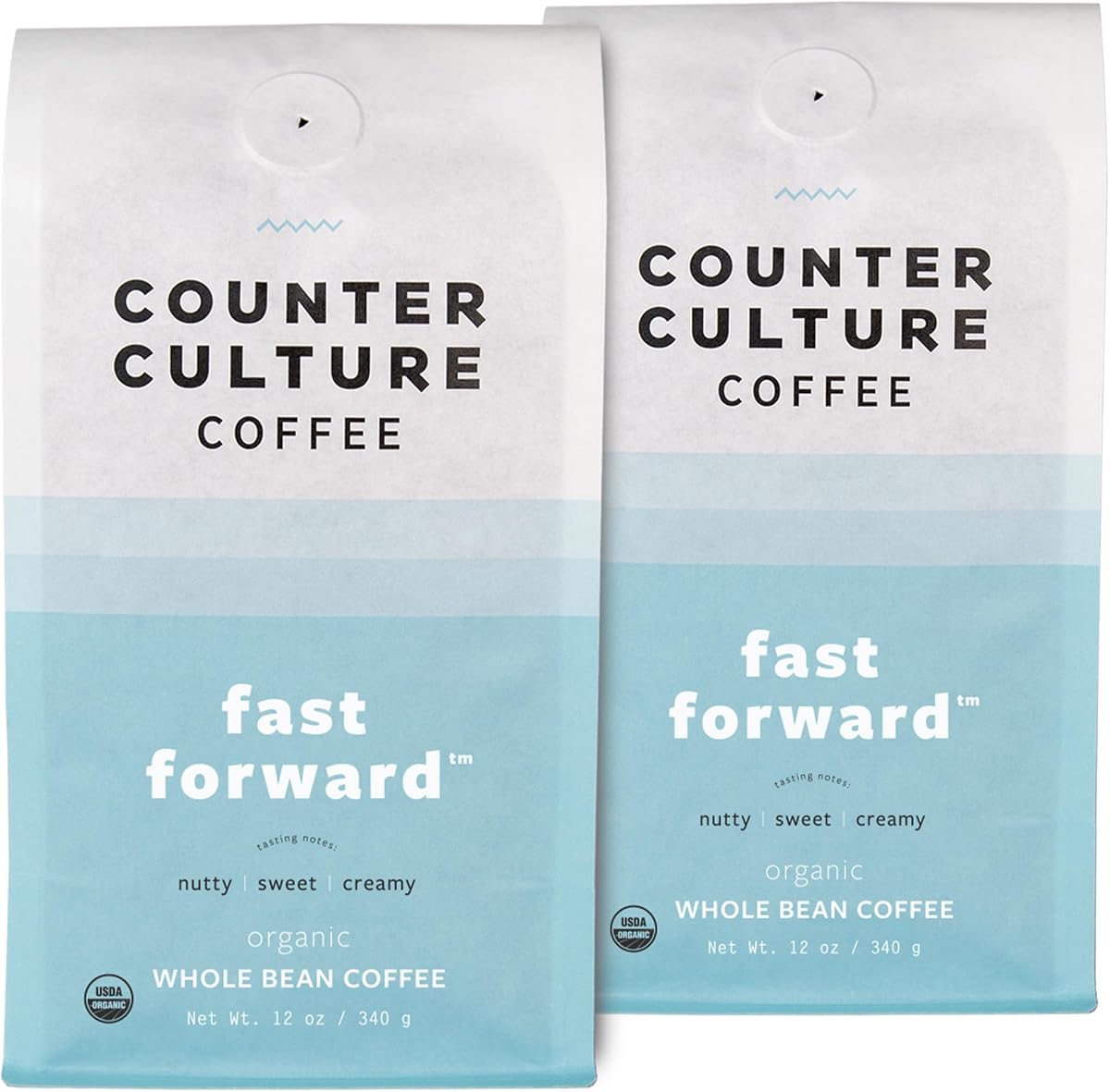
A 100% farmer-owned coffee cooperative that bypasses traditional middlemen to ensure maximum profits return to the growers.

A zero-waste bathroom essential hand-crafted by women's cooperatives, perfect for exfoliating and extending the life of soap.

Handcrafted by women artisans in Ghana, these cold-processed soaps use wild-harvested shea butter. A zero-waste, high-impact gift for a major milestone.

The gold standard in ethical soap, these travel-sized bottles are perfect for wellness pros on the go, featuring 100% PCR packaging and fair-trade ingredients.
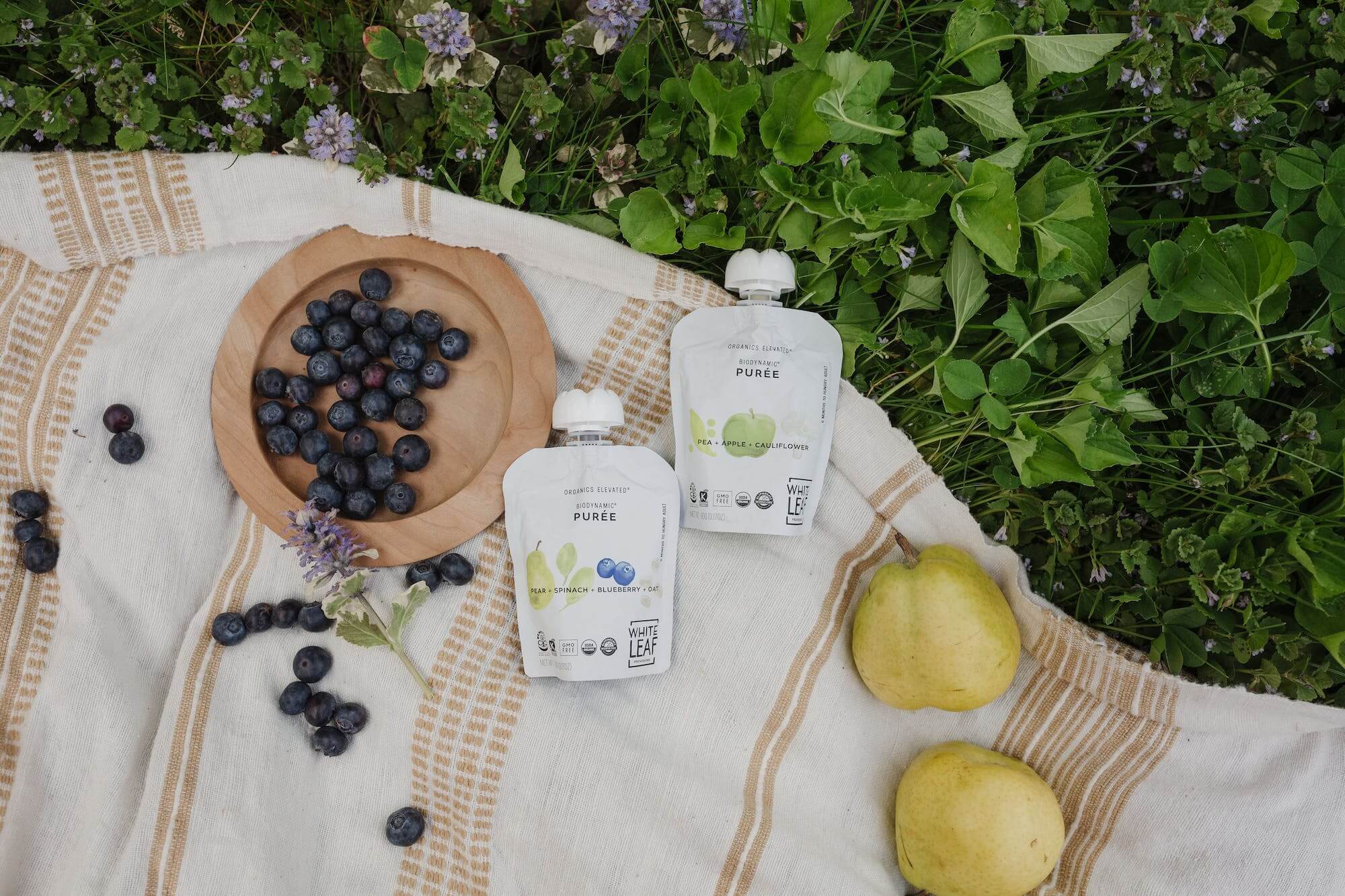
The gold standard in baby food, offering Demeter-certified biodynamic ingredients that exceed organic standards for soil health and purity.

A gold standard in ethical confectionery, combining fair-pay labor practices with regenerative cocoa farming that restores biodiversity in the Ivory Coast and Ghana.

A gold-standard breakfast staple sourced from family-owned farms in Montana using regenerative practices that actively sequester carbon and restore soil health.

Arguably the most ethical coconut oil on the market, sourced from 'Serendipol' in Sri Lanka using regenerative practices that revitalize soil and support a fair-trade community.
A gold standard in ethical confectionery, using regenerative farming to combat climate change while ensuring living wages for cocoa farmers.
What Toblerone is rated on
Toblerone is evaluated on three key ethical factors: cocoa sourcing, certification transparency, and animal testing policy. On cocoa sourcing, Mondelēz International sources cocoa through its Cocoa Life program, which aims to improve farmer livelihoods but does not guarantee third-party certification like Fairtrade or Rainforest Alliance on all Toblerone products. Certifications are inconsistent—only some formats carry Rainforest Alliance labels, and there is no global certification across the brand. Regarding animal testing, Toblerone does not test finished products on animals, but its parent company confirms that testing may occur where legally required, meaning the brand is not classified as cruelty-free by organizations like PETA or Leaping Bunny.
How the alternatives were picked
Alternatives were selected based on three criteria: full third-party certification (Fairtrade, Rainforest Alliance, or UTZ) on all core chocolate products, a clear no-animal-testing policy applicable globally, and transparent sourcing from single-origin or directly traded farms. We also prioritized brands that are independently owned, not owned by large conglomerates with mixed ethical records. Each alternative listed below avoids the inconsistencies found in Toblerone’s certifications and provides clear, verifiable claims on their packaging and websites.
What to check on the label
When comparing chocolate alternatives, look for these label elements: a certification logo such as Fairtrade, Rainforest Alliance, or UTZ, which ensures a minimum standard for farmer pay and environmental practices. Check for a direct trade or sourcing statement (e.g., "directly traded beans from Peru") to verify traceability. If animal testing is a concern, look for a Leaping Bunny or PETA cruelty-free logo—note that "no animal testing" claims without third-party approval may not cover ingredient suppliers. Finally, check the cocoa percentage and origin country—single-origin chocolates often have stricter ethical promises than blended products.
Frequently asked about Toblerone alternatives
Does Toblerone have any ethical certifications?+
Toblerone does not have a global ethical certification. Some product formats carry the Rainforest Alliance seal, but the majority of Toblerone bars sold worldwide are not certified by any independent third-party program like Fairtrade or Rainforest Alliance.
Is Toblerone cruelty-free or animal-testing-free?+
Toblerone does not conduct animal testing on finished products. However, its parent company Mondelēz International states that it may conduct testing where required by law, such as for regulatory compliance in certain markets. This means Toblerone is not officially recognized as cruelty-free by organizations like Leaping Bunny or PETA.
What is the Cocoa Life program, and does it replace certification?+
Cocoa Life is Mondelēz’s own sustainability program, focused on farmer training and community support. It does not replace independent certification like Fairtrade or Rainforest Alliance. While Cocoa Life has its own standards, it lacks external auditing from a neutral third party, which means its claims are not verified in the same way as certified labels.
Are there any chocolate brands similar to Toblerone but with better ethical ratings?+
Yes, brands like Tony's Chocolonely (100% Fairtrade, direct trade), Alter Eco (organic and Fairtrade), and Divine Chocolate (farmer-owned, Fairtrade) offer similar milk chocolate products with full third-party certifications and no animal testing. Always check individual product labels for specific certifications, as recipes may vary.