Is Toblerone ethical and cruelty-free?
Not really — Toblerone fails 2 of the 4 ethics signals we track, including its animal-testing position, and holds no third-party certification we can verify.
Toblerone, owned by Mondelēz International, is a popular Swiss chocolate brand known for its triangular shape and honey-almond nougat. While it lacks major ethical scandals, its sustainability and ethical credentials are mixed due to the parent company's reliance on conventional cocoa sourcing and limited third-party certifications.
The evidence, signal by signal
Cruelty-freeflagged
Toblerone does not conduct animal testing on finished products; parent company Mondelēz states it only tests where required by law.
Vegan optionsunverified
No official vegan range; standard recipe contains milk, honey, and eggs. Some dark varieties may be accidentally vegan but not certified.
Sells in mainland Chinaflagged
Selling through mainland Chinese retail has historically triggered post-market animal testing.
Third-party certifiedunverified
We don't track any of this brand's products yet, so product-level certifications are unchecked.
Public pledges: Parent company Mondelēz commits to sourcing 100% of cocoa through its Cocoa Life program by 2025, with packaging recyclability targets by 2025.
Scored with our public methodology. Profile last updated 2026-10-03.
Research notes on Toblerone
Compiled from the brand's own statements and the public sources listed below, last reviewed 2026-10-03. We don't stock Toblerone products, so nothing here is checked against product records.
Overview
Toblerone was founded in 1908 in Bern, Switzerland, by Theodor Tobler and Emil Baumann. It is now a global brand owned by Mondelēz International, one of the world's largest snack companies. The brand is synonymous with its distinctive triangular packaging and Alpine imagery. Despite its iconic status, Toblerone's ethical profile is shaped by the broader policies of its parent company, which has made public commitments to sustainable cocoa sourcing but has faced criticism for lacking robust third-party certifications like Fairtrade or Rainforest Alliance on all products. The brand does not have a standalone ethical mission, and its supply chain is integrated into Mondelēz's 'Cocoa Life' program.
Certifications
Toblerone products are not widely certified by independent ethical bodies. Some variations sold in specific markets (e.g., UK) may carry the Rainforest Alliance seal on certain formats, but this is not consistent across the entire range. Mondelēz has declined to pursue Fairtrade certification for Toblerone, opting instead for its own Cocoa Life program. The brand holds no vegan, organic, or B Corp certifications. Check individual product packaging for current certifications, as they vary by region and product line.
Animal testing & vegan range
Toblerone does not conduct animal testing on its finished products, and its parent company, Mondelēz International, states it does not test on animals unless required by law (which is rare for chocolate). However, Toblerone is not certified cruelty-free by any major organization (e.g., Leaping Bunny or PETA). The standard Toblerone recipe contains milk, honey, and eggs, making it unsuitable for vegans. Mondelēz has not launched a vegan version of Toblerone as of early 2025. The brand's dark chocolate varieties may be accidentally vegan, but no official vegan certification exists.
Sustainability pledges
Toblerone's sustainability efforts are tied to Mondelēz's 'Cocoa Life' program, launched in 2012. The program aims to source 100% of cocoa for Mondelēz chocolate brands (including Toblerone) through Cocoa Life by 2025, focusing on farmer training, community development, and reduced deforestation. As of 2023, Mondelez reported that over 60% of its cocoa volumes were covered by Cocoa Life. However, critics note that the program lacks third-party verification and does not guarantee a living wage for farmers. Toblerone's packaging is not widely recyclable due to its laminated plastic and foil composition, though Mondelēz has pledged to make all packaging recyclable by 2025. No net-zero or carbon-neutral commitments exist for Toblerone specifically.
Sourcing & labor
Toblerone sources cocoa primarily from West Africa, particularly Ghana and Côte d'Ivoire, where issues like child labor and deforestation are persistent. Mondelēz's Cocoa Life program includes traceability measures and farmer training to address these issues, but independent audits by organizations like the International Cocoa Initiative have shown limited impact. The brand does not use fully traceable, single-origin cocoa, and its supply chain remains complex. No reports of forced labor in Toblerone's direct supply chain have emerged recently, but the inherent risks of the cocoa industry remain. Sugar is sourced globally, with no specific ethical sourcing claims for this ingredient.
Controversies context
Toblerone has not been directly involved in major ethical scandals. However, its parent company, Mondelēz International, has faced criticism for aggressive tax avoidance practices and for opposing stronger deforestation legislation in the EU. In 2021, Toblerone made headlines for changing the shape of its UK bars to reduce weight while maintaining price (a practice known as 'shrinkflation'), which drew consumer backlash but was not an ethical controversy per se. No significant human rights or environmental scandals have been directly linked to the Toblerone brand.
Bottom line
Toblerone offers a recognizable product with a relatively neutral ethical profile, but consumers seeking high ethical standards may be disappointed by the lack of independent certifications and the reliance on a parent-company program with mixed reviews. For those prioritizing Fairtrade, organic, or vegan chocolate, other brands may be a better fit. If you enjoy Toblerone's taste, it is not a boycott-worthy brand, but its ethical credentials are average at best.
High-scoring food & nutrition picks to compare
Top-scoring products from other brands in the category Toblerone sells in. A starting point for comparison, not proof that each one beats Toblerone.

The gold standard for ethical food production, this coconut oil uses regenerative organic practices and fair trade labor to set a benchmark for corporate responsibility.
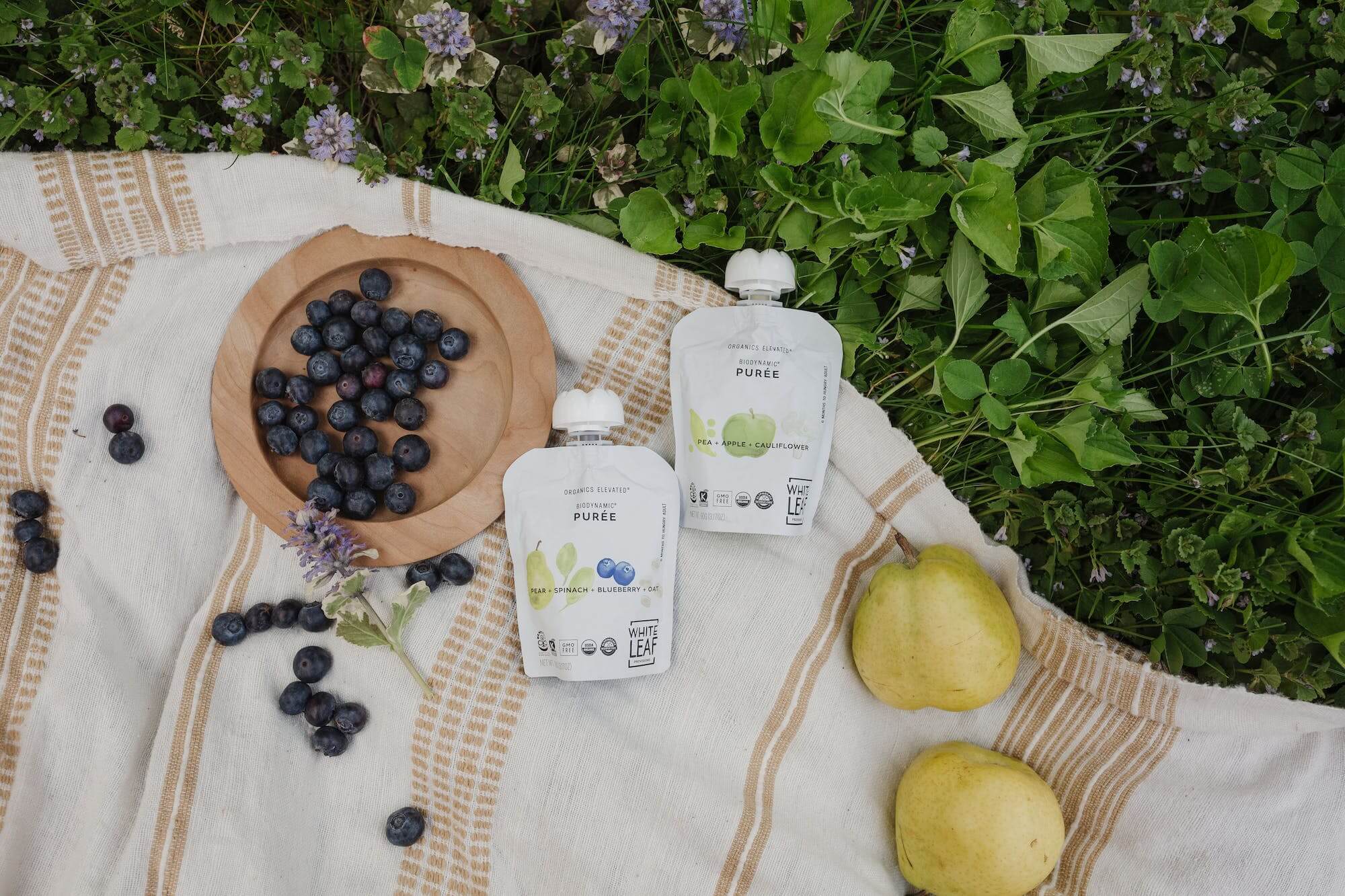
The gold standard in baby food, offering Demeter-certified biodynamic ingredients that exceed organic standards for soil health and purity.

Exquisite heirloom Malagasy cocoa produced entirely at the source in Madagascar. This professional-grade bulk trunk supports direct-trade and lemur habitat conservation.

A nutrient-dense heirloom grain sourced through fully transparent supply chains that support regenerative farming practices in the Peruvian Andes.

A women-owned B Corp that prioritizes equitable purchasing and environmental stewardship through long-term farmer partnerships.

The gold standard in European baby food, Holle's Demeter-certified porridges offer chemical-free nutrition for infants. A top-rated staple for health-conscious parents in urban environments.
More on Toblerone
Is Toblerone ethical? FAQs
Is Toblerone cruelty-free?+
Toblerone does not conduct animal testing on finished products; parent company Mondelēz states it only tests where required by law.
Does Toblerone have vegan products?+
No official vegan range; standard recipe contains milk, honey, and eggs. Some dark varieties may be accidentally vegan but not certified.
Does Toblerone sell in mainland China?+
Selling through mainland Chinese retail has historically triggered post-market animal testing.
What is Toblerone's ethics score?+
We don't score any Toblerone products yet, so there is no ethics score. The signals above come from the brand profile and the sources listed on this page.
What are the best alternatives to Toblerone?+
High-scoring food & nutrition products to compare include Dr. Bronner’s Whole Kernel Virgin Coconut Oil by Dr. Bronner's, Biodynamic Veggie & Grain Pouch Variety Pack (24-Pack) by White Leaf Provisions, Luxury Single-Origin Dark Chocolate Professional Collection - 20kg Chef's Trunk by Beyond Good.