Ethical Alternatives to Wellness Pet Food
Wellness Pet Food is a mid-premium brand owned by WellPet LLC, known for natural ingredients and holistic nutrition with no major controversies. However, it lacks certifications such as B Corp or organic, and provides limited transparency on sustainability, prompting some shoppers to look for alternatives with stronger ethical credentials.
Categories compared: Pet Care, Food & Nutrition
Why shoppers look for alternatives to Wellness Pet Food
- No third-party certifications (e.g., B Corp, organic, or cruelty-free) to verify ethical claims.
- Limited public disclosure on ingredient sourcing and supply chain sustainability.
- Reliance on AAFCO feeding trials rather than a formal animal testing policy beyond finished products.
- No climate or carbon footprint targets published, leaving environmental impact unclear.
Top-scoring alternatives to Wellness Pet Food

A gold-standard example of regenerative agriculture, these oats go beyond organic by actively restoring soil health and ensuring fair wages for farmers in a vertically integrated supply chain.

A truly organic, non-toxic dog shampoo that sets the gold standard for safety and environmental purity in pet grooming.
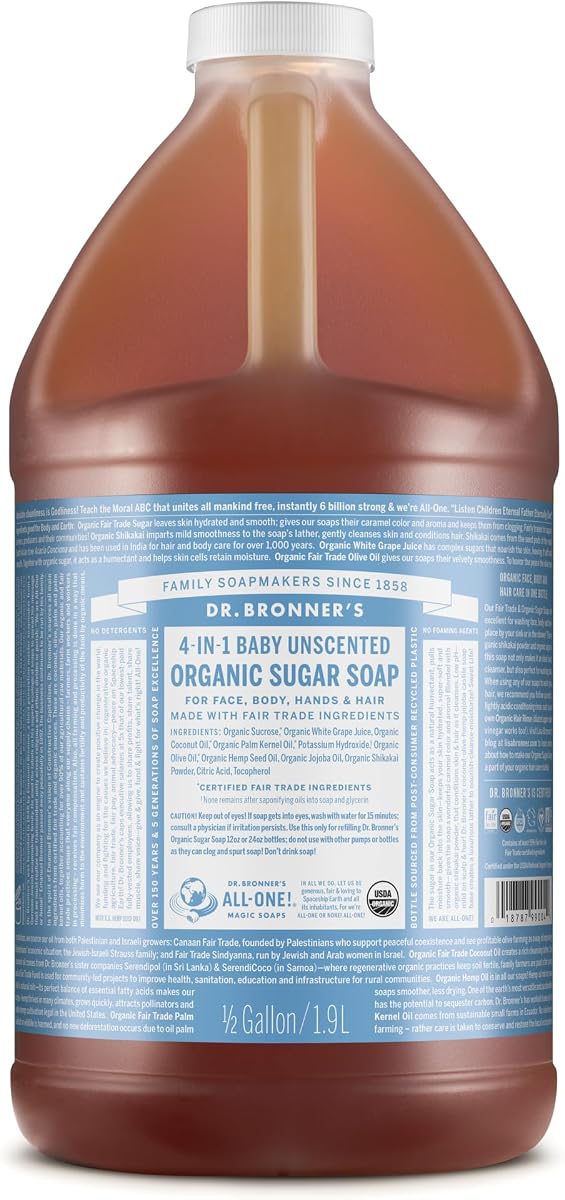
A multi-use, fair-trade organic soap that is gentle enough for pets yet effective at removing grime and odors.

A truly organic, non-toxic grooming solution that sets the gold standard for pet safety and environmental responsibility.

The gold standard for ethical personal and pet care. Dr. Bronner’s Peppermint Pure-Castile Soap is biodegradable, fair trade, and highly concentrated for multi-purpose use.

The gold standard for ethical food production, this coconut oil uses regenerative organic practices and fair trade labor to set a benchmark for corporate responsibility.
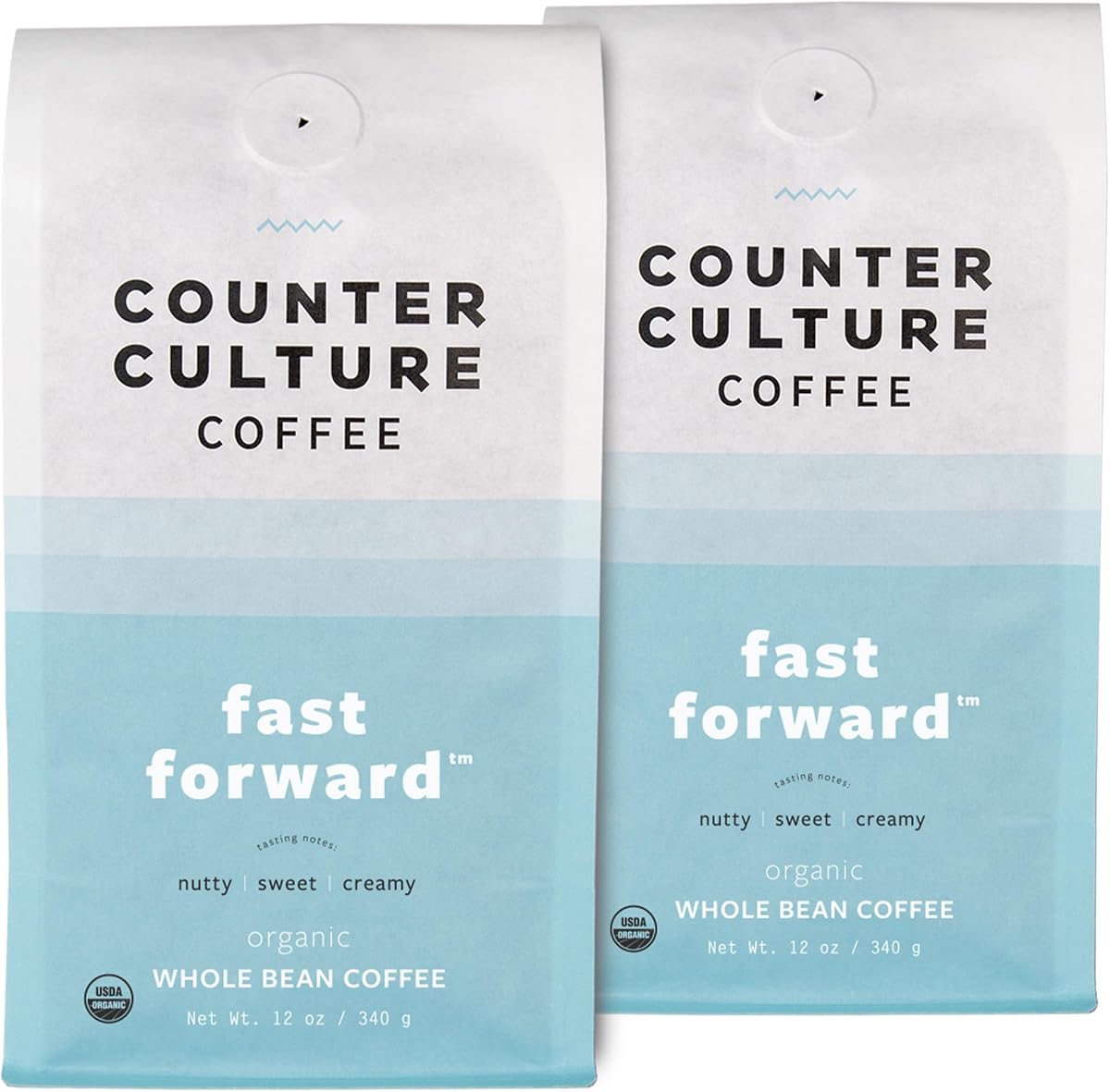
A 100% farmer-owned coffee cooperative that bypasses traditional middlemen to ensure maximum profits return to the growers.

A legendary multi-use soap that is widely recommended by groomers for pets due to its organic, fair-trade ingredients and complete lack of synthetic detergents.

A soothing, organic balm for dry paws and noses, crafted with Fair Trade ingredients and a legacy of social activism.

The gold standard in baby food, offering Demeter-certified biodynamic ingredients that exceed organic standards for soil health and purity.

A gold standard in ethical confectionery, combining fair-pay labor practices with regenerative cocoa farming that restores biodiversity in the Ivory Coast and Ghana.

A gold-standard breakfast staple sourced from family-owned farms in Montana using regenerative practices that actively sequester carbon and restore soil health.
What Wellness Pet Food is rated on
Wellness Pet Food is primarily rated on its ingredient quality, holistic formulas, and general commitment to pet wellness. However, on ethical shopping platforms, it scores lower due to lacking any third-party certifications (B Corp, organic, non-GMO, or cruelty-free), and offering only minimal public sustainability reporting. The brand does not conduct finished product testing on animals but follows AAFCO feeding trial standards, which may not satisfy shoppers seeking more rigorous animal welfare assurances. Its ownership by WellPet LLC is not paired with public impact metrics.
How the alternatives were picked
The alternatives listed below were selected based on the following criteria: possession of at least one third-party ethical certification (e.g., B Corp, USDA Organic, certified cruelty-free by a recognized program, or carbon-neutral); transparent ingredient sourcing and sustainability goals; and a formal animal testing policy that goes beyond industry minimums. Each brand also competes directly with Wellness in the premium natural pet food category, offering grain-free, limited-ingredient, or holistic recipes. We prioritize brands that publish annual impact reports or have verified supply chain audits.
What to check on the label
When comparing ethical pet foods, look for seals like USDA Organic, Non-GMO Project Verified, or B Corp on the packaging. Check for a clear statement on animal testing: ideally a policy that ensures no animal testing at any stage (ingredients and finished product). Review the ingredient list for named protein sources and absence of artificial preservatives. Sustainability-conscious shoppers should seek brands that disclose their carbon footprint or use recyclable packaging. Avoid brands that only reference AAFCO feeding trials without additional auditing.
Frequently asked about Wellness Pet Food alternatives
Does Wellness Pet Food test on animals?+
Wellness Pet Food states it does not conduct finished product testing on animals. It follows AAFCO feeding trial standards, which are industry-standard and do not necessarily involve animal testing beyond feeding studies. There is no third-party certification verifying a no-animal-testing policy across all ingredients.
Why are there no major controversies for Wellness Pet Food?+
Wellness Pet Food maintains a clean public record with no recalls or scandals in recent years. However, this is not the same as meeting high ethical standards—lack of third-party certifications or sustainability reporting means consumers cannot independently verify its claims.
What certifications does Wellness Pet Food have?+
Wellness Pet Food currently holds no widely recognized third-party ethical certifications such as B Corp, USDA Organic, Non-GMO Project Verified, or certified cruelty-free. This limits its verifiability for shoppers seeking assured ethical practices.
Are there affordable alternatives with better ethical credentials?+
Yes, brands like Open Farm (B Corp certified and transparent sourcing) and The Honest Kitchen (human-grade, organic options) offer products at comparable mid-premium price points while providing stronger certifications and sustainability disclosures.