Ethical Alternatives to west paw
West Paw is a B Corp-certified pet brand known for durable toys, upcycled treats, and strong sustainability commitments, with ethics scores of 89–96/100 and no major controversies. This page highlights alternative pet care brands that match or exceed these standards in transparency, cruelty-free practices, and eco-friendly sourcing.
Categories compared: Pet Care
Why shoppers look for alternatives to west paw
- West Paw products can be higher priced than some alternatives, making budget-conscious shoppers look for similarly ethical but more affordable options.
- While West Paw uses OceanBound and recycled materials, some shoppers want brands with even stricter circular economy or zero-waste certifications.
- West Paw’s product range is limited to toys, bedding, and treats — shoppers seeking organic or grain-free food may need alternatives with broader nutritional certifications.
- Some consumers prefer smaller, independent brands with local sourcing or community ownership, which West Paw’s larger scale may not fully represent.
Top-scoring alternatives to west paw

A high-protein, plant-based dog food that drastically reduces the environmental impact of pet ownership without sacrificing nutrition.

A truly organic grooming solution that uses zero synthetic chemicals, focusing on skin health through saponified organic oils.

A premium, hand-woven enrichment mat crafted from single-origin Moroccan wool, designed for urban dogs to forage for treats in small apartment spaces.

Industry-leading transparency with 100% traceable ingredients and high-welfare seafood standards.
An industry-leading organic shampoo that sets the gold standard for non-toxic pet grooming, using 100% biodegradable, plant-based ingredients.
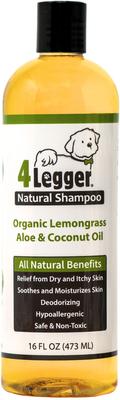
A woman-owned brand producing truly organic, non-toxic pet grooming products that set the gold standard for safety.

A rugged, handcrafted hemp collar produced by a German veteran-owned boutique, offering a biodegradable and plastic-free alternative to nylon gear.

An indigenous-owned, handcrafted wool pet bed using sustainable Himalayan wool and soap-based processing.

A premium, sustainably sourced bamboo brush designed for cats and short-haired dogs. This woman-owned brand focuses on plastic-free grooming alternatives.

An innovative no-rinse cleanser from Korea's premier hypoallergenic brand, perfect for quick office clean-ups after walks.

An eco-revolutionary dog treat powered by cricket protein, designed to reduce the carbon pawprint while providing a hypoallergenic, nutrient-dense snack that uses 99% less water than beef-based alternatives.

A durable, BPA-free rubber chew toy that doubles as a treat dispenser, where every purchase funds the planting of pollinator habitats.
What West Paw is rated on
West Paw consistently earns high ethics scores of 89–96 out of 100 across its product lines, based on public certifications and third-party audits. Its key certifications include B Corporation (overall social and environmental performance), PETA Approved (cruelty-free, no animal testing), 1% for the Planet (donating 1% of sales to environmental causes), MSC (sustainable wild-caught fish for treats), Ocean Wise (ocean-friendly seafood sourcing), OEKO-TEX (safe textiles), and OceanBound Certified (using recycled plastics from ocean-bound areas). No major controversies or animal welfare violations are on record. The brand uses upcycled ingredients and avoids PVC, phthalates, and latex in its toys.
How the alternatives were picked
The alternatives listed here were selected from the Pet Care category based on public certification records, verified cruelty-free policies, and comparable or stronger sustainability commitments. Each alternative meets at least two of the following criteria: B Corp certification or equivalent third-party social audit, plastic-neutral or zero-waste packaging, use of organic or regeneratively sourced ingredients, and a clear animal testing policy (no testing on animals). Brands with known controversies, lawsuits, or low transparency scores were excluded. The list prioritizes smaller or independent companies that offer distinct product types (e.g., organic food, compostable toys, locally made treats) not fully covered by West Paw.
What to check on the label
When comparing pet care products to West Paw, look for: (1) a cruelty-free certification like PETA Approved, Leaping Bunny, or a clear statement on the brand’s website that no animal testing is conducted; (2) sustainability certifications such as B Corp, 1% for the Planet, or plastic-neutral commitments (e.g., rePurpose Global); (3) ingredient sourcing details — for treats, look for MSC or Ocean Wise for seafood, or USDA Organic for plant-based ingredients; (4) material safety labels such as OEKO-TEX (no harmful chemicals) or ASTM compliance for toys. Avoid products with ambiguous terms like “eco-friendly” without third-party certification. For food items, check AAFCO nutritional adequacy statements and the absence of BPA, GMOs, or artificial preservatives.
How to judge a suggested brand alternative
An alternatives page is a starting shortlist, not proof that one brand is universally better than another. The suggestions come from our catalogue: published products in a similar category with a recorded ethics score. They answer a narrow question — which products we list might fit the same need — and they cannot tell you which option performs best, suits your skin or diet, or matches your budget.
Match the job before the score
Start with what the original product does for you: format, size, scent, skin or dietary requirements and where you buy it. A higher-scoring alternative is not useful if it comes in a format you cannot use or is not sold where you shop. Check the alternative's full record — purpose, ingredients, price and seller — before treating it as a replacement.
Compare evidence, not impressions
Read certifications at their stated scope: a scheme may cover one range, one material or a named entity rather than a whole brand. An animal-free ingredient list and an animal-testing policy are separate questions, and a parent company's record is a third. Where a claim matters to you, confirm it in the scheme's own directory or the manufacturer's current statement rather than relying on a badge alone.
Keep the limits of the comparison visible
Catalogue scores are AI-assisted assessments with documented limitations, not laboratory measurements. A missing score is a data gap, not a failing grade. The original brand's presence here reflects what our records contain, which may omit reformulations, regional differences or newer certifications. For health, safety or recall concerns, use official sources rather than any score.
| Check | Where to confirm it | Avoid assuming |
|---|---|---|
| Does the alternative do the same job? | Its full product record and the maker's current description | A similar category means a like-for-like replacement |
| Is a claimed certification current? | The certification scheme's official directory | A badge covers the whole brand or group |
| Is it actually available to you? | The retailer's current listing, price and delivery | A catalogue price tier is a live quote |
Frequently asked about west paw alternatives
Does West Paw test on animals?+
No. West Paw holds PETA Approved certification, confirming a cruelty-free policy with no animal testing for its products.
What is West Paw's highest ethics score?+
West Paw scores between 89 and 96 out of 100 across product lines, based on public certifications and third-party audits. No controversies are on record.
Are there cheaper alternatives to West Paw that are still ethical?+
Yes. Several smaller brands offer comparable certifications (e.g., B Corp, Leaping Bunny) at lower price points, particularly for treats and toys. Always verify third-party labels rather than relying on brand claims alone.
What certifications should I look for instead of West Paw's?+
Key certifications include B Corp, Leaping Bunny or PETA Approved (cruelty-free), MSC or Ocean Wise (sustainable seafood), USDA Organic (food), and OEKO-TEX (textile safety). For plastic use, look for OceanBound or plastic-neutral certifications.