Ethical Alternatives to Wet n Wild
Wet n Wild is a budget-friendly cosmetics brand known for bold colors and inclusive shades. However, its ethical profile is mixed: it is cruelty-free except where required by law (due to sales in China) and lacks third-party sustainability certifications.
Categories compared: Beauty & Personal Care
Why shoppers look for alternatives to Wet n Wild
- Wet n Wild sells in mainland China, where animal testing is legally required for imported cosmetics, undermining its cruelty-free claim.
- The brand has no third-party certifications (e.g., Leaping Bunny, PETA) to verify its ethical or environmental commitments.
- It lacks robust sustainability commitments, such as recyclable packaging, carbon-neutral goals, or transparent supply chain reporting.
Top-scoring alternatives to Wet n Wild
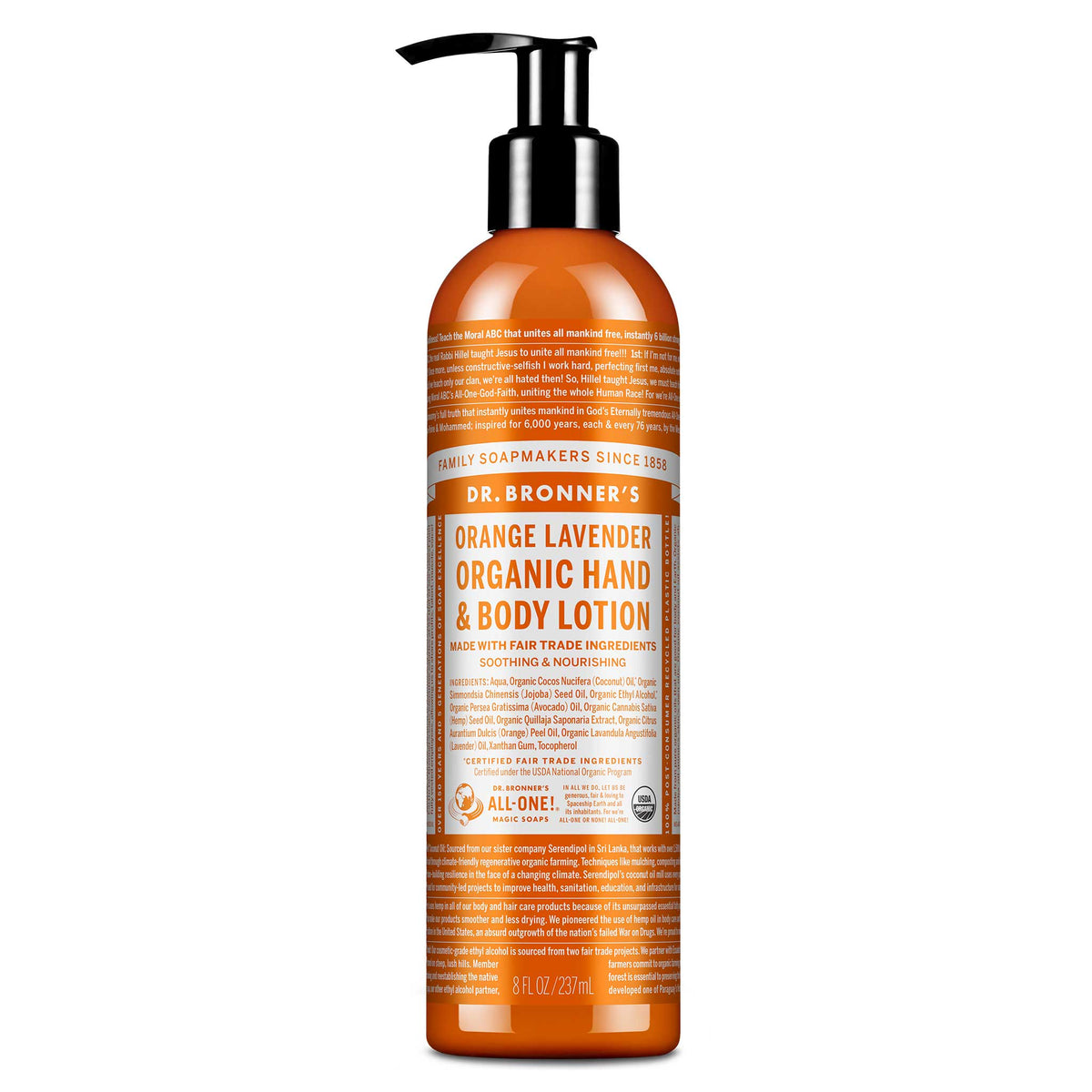
A highly ethical, multi-use lotion crafted with organic oils and fair trade ingredients, setting the industry standard for supply chain transparency and regenerative agriculture.
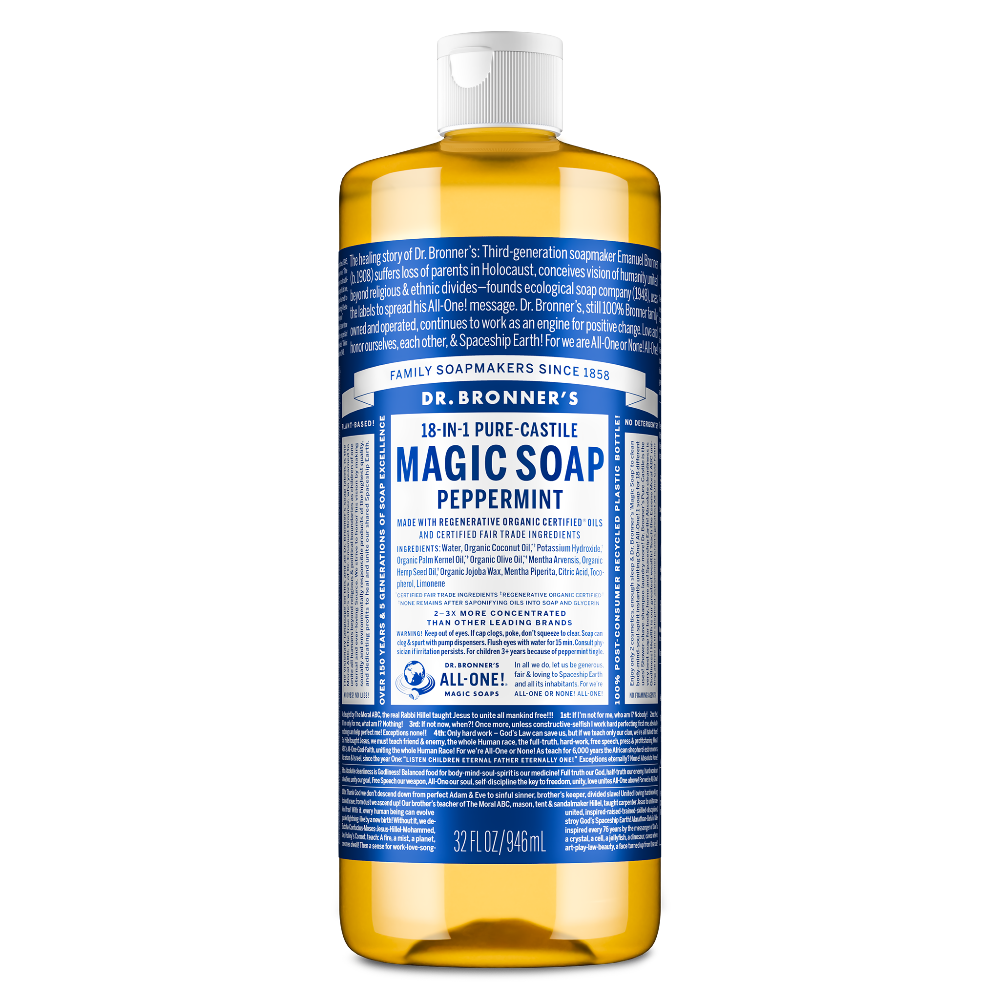
The gold standard of ethical cleaning. A highly concentrated, multi-surface liquid soap made from organic oils and fair trade ingredients in 100% PCR packaging.

The gold standard of ethical soaps, featuring regenerative organic palm oil and a legacy of fair-trade advocacy and radical transparency.

A zero-waste, plastic-free solid shampoo bar that replaces three plastic bottles, featuring fair-trade ingredients and a focus on water conservation.

A mass-market accessible body wash that funds community empowerment projects in Togo, West Africa, using fair-trade unrefined shea butter.

A zero-waste, plastic-free body cleanser bar that replaces three bottles of liquid soap and uses regenerative fair-trade ingredients.
A zero-waste, plastic-free shampoo bar equivalent to three bottles of liquid shampoo, utilizing fair-trade cocoa butter and peppermint oil.

The ultimate multi-tasker for minimalist hosts; one bottle can wash hands, body, hair, and even dishes.

A zero-waste, plastic-free solution for hair and body, specifically curated for the minimalist traveler looking to bypass liquid restrictions.
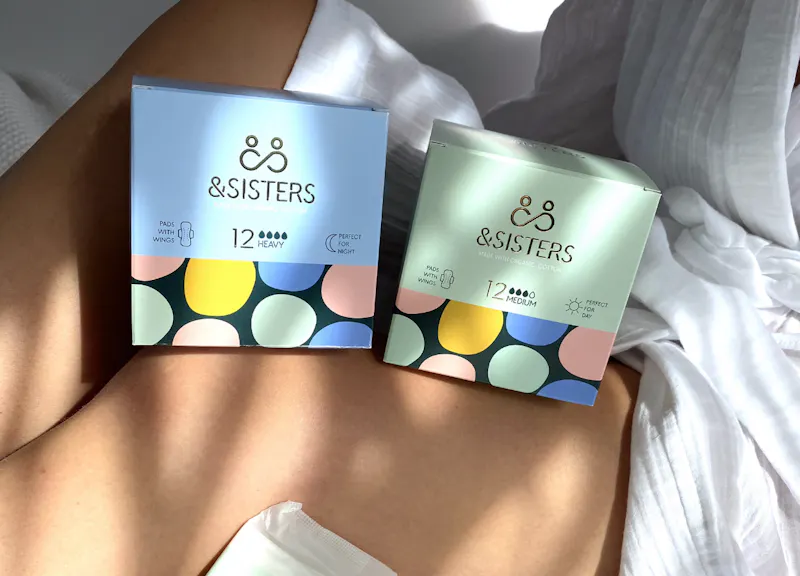
A UK-based, women-owned B Corp offering the highest ethical standard in menstrual care. This bulk 'Sisterhood' bundle features GOTS organic cotton tampons and pads with RSPO-segregated inputs, ensuring zero deforestation.

A high-potency, carbon-extracted rosehip oil designed specifically for sensitive skin, backed by rigorous B Corp standards and organic agricultural sourcing.
A plastic-free, highly concentrated shampoo bar that replaces three plastic bottles, featuring fair-trade ingredients and carbon-neutral shipping.
What Wet n Wild is rated on
Wet n Wild’s ethical standing is viewed through three main lenses: animal testing policy, certifications, and environmental commitments. The brand states it does not test on animals except where required by law—which applies to its sales in mainland China, a market that mandates animal testing for imported cosmetics. Wet n Wild offers vegan options but holds no third-party certifications like Leaping Bunny, PETA Beauty Without Bunnies, or B Corp. On sustainability, the brand has no public targets for reducing plastic waste or carbon emissions.
How the alternatives were picked
We selected brands that directly compete with Wet n Wild in the budget to mid-range makeup space while offering clearer ethical profiles. Each alternative meets at least two of these criteria: (1) certified cruelty-free by Leaping Bunny or PETA, (2) no sales in China to avoid mandatory animal testing, (3) a published sustainability commitment (e.g., recyclable packaging, ingredient transparency), and (4) accessible price points similar to Wet n Wild. All alternatives listed here provide bold color options and inclusive shade ranges.
What to check on the label
When comparing cosmetics, look for these key indicators on packaging or brand websites: a Leaping Bunny or PETA cruelty-free logo (not just a statement). Check for a 'Not sold in China' note or a policy against animal testing in all markets. For sustainability, look for recyclable packaging symbols (e.g., #1 or #2 plastic) or a take-back program. Vegan labels (e.g., 'Vegan' or '100% Vegan') can help avoid animal-derived ingredients. Finally, verify independent certifications like B Corp, USDA Organic, or Ecocert, which provide third-party verification.
Frequently asked about Wet n Wild alternatives
Is Wet n Wild truly cruelty-free?+
Wet n Wild states it does not test on animals except where required by law. Because it sells in mainland China—where imported cosmetics must undergo animal testing—their products are subject to testing in that market. This means the brand is not considered cruelty-free by organizations like Leaping Bunny or PETA, which require no animal testing in any market.
Does Wet n Wild have any environmental certifications?+
No. As of publicly available records, Wet n Wild holds no third-party environmental certifications such as B Corp, CarbonNeutral, or Forest Stewardship Council (FSC). The brand has not published specific sustainability goals or packaging reduction targets.
What are the main ethical issues with Wet n Wild?+
The primary ethical concerns are: (1) selling in China, which mandates animal testing; (2) lack of third-party certifications to verify cruelty-free or sustainability claims; (3) absence of clear packaging or ingredient sustainability commitments. These factors make it difficult for shoppers to fully verify the brand’s ethical claims.
What should I look for in an alternative to Wet n Wild?+
Look for brands that are certified cruelty-free by Leaping Bunny or PETA, have a clear policy against animal testing in all countries (including China), and offer transparent sustainability practices. Also check for vegan options and packaging made from recycled or recyclable materials. Brands like ELF, NYX Professional Makeup (which does not sell in China), and AOA Studio are often recommended.