Is Wet n Wild ethical and cruelty-free?
Not really — Wet n Wild fails 2 of the 4 ethics signals we track, including its animal-testing position, and holds no third-party certification we can verify.
Wet n Wild is a budget-friendly, widely accessible cosmetics brand known for its bold colors and inclusive shade ranges, but its ethical profile is mixed: it is cruelty-free (except where required by law) and offers vegan options, yet lacks robust sustainability commitments and third-party certifications.
The evidence, signal by signal
Cruelty-freeflagged
Wet n Wild does not test on animals except where required by law (sells in China).
Vegan optionsunverified
Wet n Wild offers a growing selection of vegan-labeled products.
Sells in mainland Chinaflagged
Selling through mainland Chinese retail has historically triggered post-market animal testing.
Third-party certifiedunverified
We don't track any of this brand's products yet, so product-level certifications are unchecked.
Public pledges: No formal sustainability pledges; limited packaging recyclability initiatives.
Scored with our public methodology. Profile last updated 2026-09-24.
Research notes on Wet n Wild
Compiled from the brand's own statements and the public sources listed below, last reviewed 2026-09-24. We don't stock Wet n Wild products, so nothing here is checked against product records.
Overview
Founded in 1979, Wet n Wild is a mass-market cosmetics brand that has become a staple in drugstores and online retailers worldwide. Known for its low price points and trend-driven products, the brand has built a loyal following among cost-conscious consumers and beauty enthusiasts alike. Wet n Wild is owned by Markwins Beauty Brands, a privately held corporation that also owns brands such as Black Radiance, Lip Smacker, and Pop Beauty. The brand does not publish an annual sustainability report, nor does it hold B Corp, Leaping Bunny, or PETA certifications. Its ethical stance is primarily defined by its animal-testing policy and growing vegan offerings, though critics have noted a lack of transparency in supply chain and labor practices.
Certifications
Wet n Wild currently holds no third-party ethical certifications (e.g., B Corp, Leaping Bunny, PETA Beauty Without Bunnies, Cruelty Free International, or Fair Trade). The brand is not certified vegan or organic by any independent body, and it does not display any widely recognized eco-labels on its packaging or website. This absence of certification means that consumers must rely on the brand’s own claims regarding animal testing, ingredient sourcing, and environmental impact.
Animal testing & vegan range
Wet n Wild states on its official website that it does not test finished products or ingredients on animals and that it requires its suppliers to do the same. However, the brand sells its products in mainland China, where animal testing is mandated by law for imported cosmetics (post-2021, exceptions exist for certain products under “ordinary” categories, but enforcement remains inconsistent). Wet n Wild does not explicitly commit to avoiding the Chinese market or to using alternative testing methods to bypass legal requirements. As a result, many animal-rights organizations consider the brand’s cruelty-free status to be conditional. The brand offers a growing vegan product line, clearly labeling items that are made without animal-derived ingredients, but does not disclose what percentage of its total portfolio is vegan.
Sustainability pledges
Wet n Wild has no publicly stated carbon neutrality, plastic reduction, or renewable energy goals. The brand uses a mix of plastic and cardboard packaging, but does not report on recycled content, recyclability, or post-consumer waste. Markwins Beauty Brands, the parent company, has not issued an environmental policy or joined any industry initiatives like the Ellen MacArthur Foundation’s New Plastics Economy. In 2020, Wet n Wild launched a limited-edition collection with recyclable packaging, but this appears to be an isolated effort rather than a brand-wide commitment. No information is available about water usage, chemical runoff, or deforestation in its supply chain.
Sourcing & labor
The brand sources ingredients globally, but does not publish a supplier list, code of conduct, or audit results. Markwins Beauty Brands is not a signatory to any recognized labor rights frameworks (e.g., Fair Labor Association, Sedex, or Ethical Trading Initiative). There are no public allegations of child labor or forced labor associated with Wet n Wild, but the lack of transparency means consumers cannot verify working conditions at manufacturing facilities, which are believed to be primarily in China and the United States. The brand does not disclose whether it pays living wages or supports unionization.
Controversies context
Wet n Wild has faced no major controversies in recent years. Minor criticisms include product shade inconsistencies and occasional quality-control issues typical of mass-market cosmetics. The brand has not been embroiled in racial, environmental, or labor scandals. However, some consumer advocates argue that its silence on industry-wide issues (e.g., plastic waste, ethical sourcing) amounts to a lack of accountability. Without credible reports or lawsuits, Wet n Wild’s reputation remains relatively clean, but ethically neutral.
Bottom line
Wet n Wild is a solid choice for shoppers seeking affordable, colorful cosmetics that do not test on animals (outside China) and offer vegan options. However, its lack of certifications, limited sustainability efforts, and opaque supply chain mean it ranks low on comprehensive ethical criteria. For consumers who prioritize price and a basic cruelty-free stance, Wet n Wild is acceptable; for those seeking verifiable eco-friendly or fair-trade products, better options exist.
Better-scoring alternatives to Wet n Wild
Same categories, higher ethics scores, verified certifications.

The ultimate multi-tasker for minimalist hosts; one bottle can wash hands, body, hair, and even dishes.
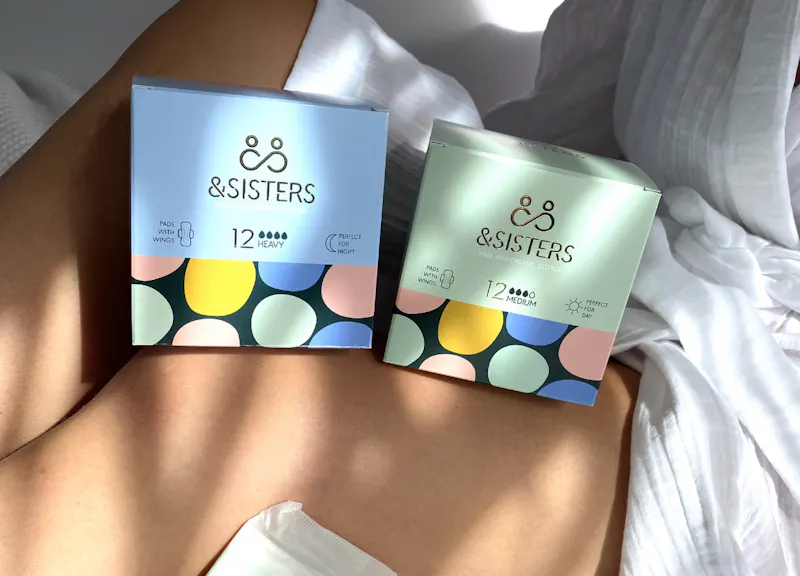
A UK-based, women-owned B Corp offering the highest ethical standard in menstrual care. This bulk 'Sisterhood' bundle features GOTS organic cotton tampons and pads with RSPO-segregated inputs, ensuring zero deforestation.
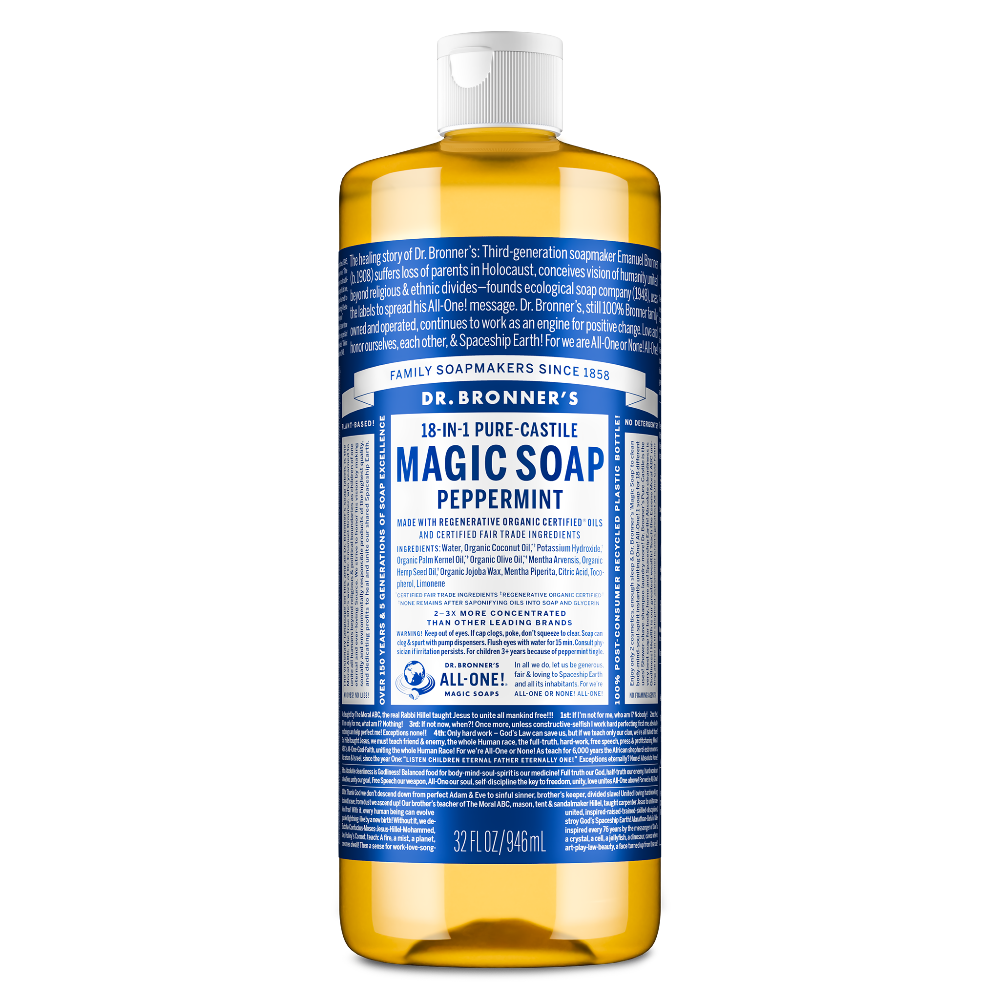
The gold standard of ethical cleaning. A highly concentrated, multi-surface liquid soap made from organic oils and fair trade ingredients in 100% PCR packaging.

The gold standard of ethical soaps, featuring regenerative organic palm oil and a legacy of fair-trade advocacy and radical transparency.
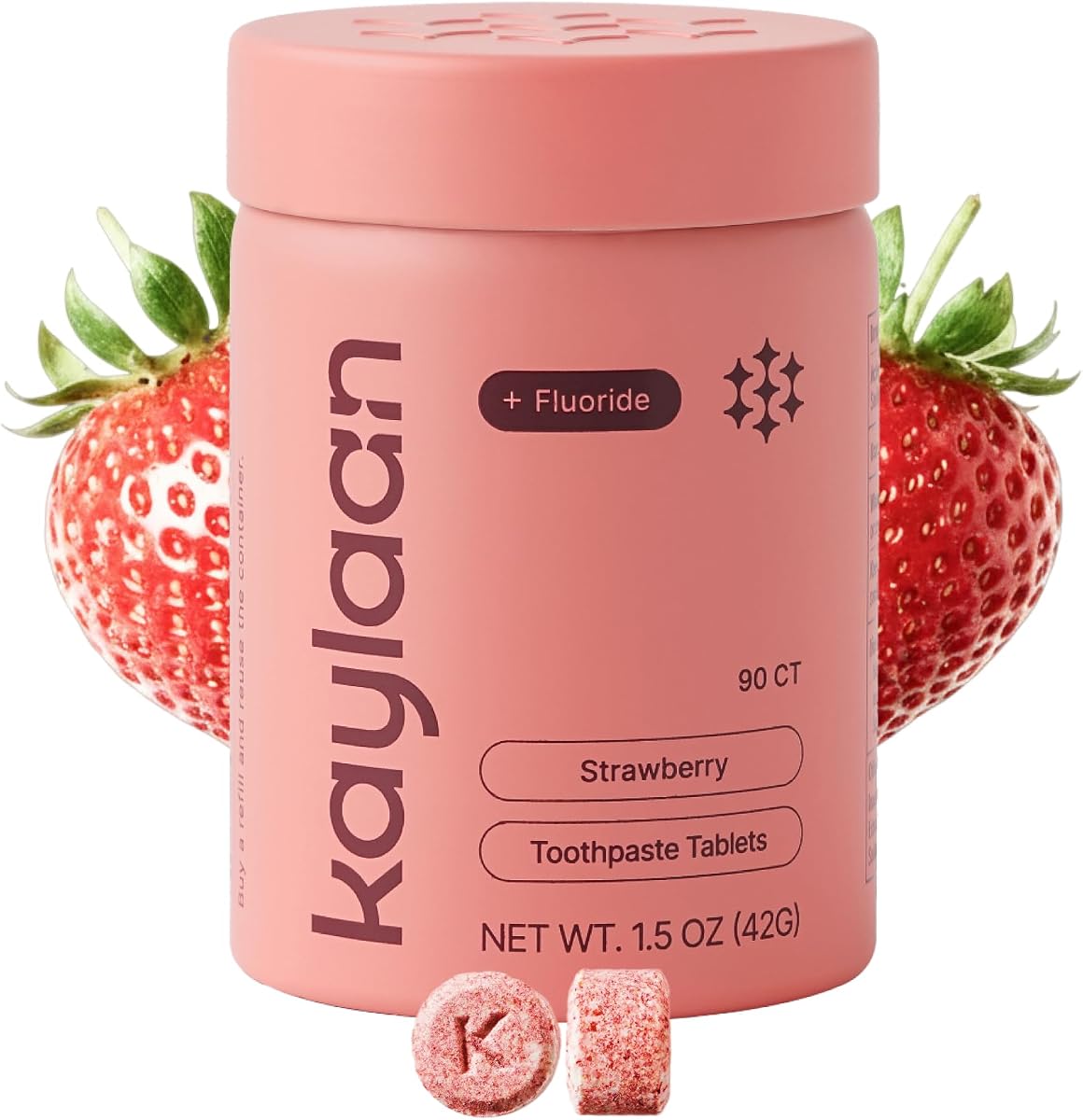
A zero-waste oral care system consisting of fluoride-free tablets in a refillable glass jar, featuring ingredients sourced from ethical Eastern European partners.

A high-potency, carbon-extracted rosehip oil designed specifically for sensitive skin, backed by rigorous B Corp standards and organic agricultural sourcing.
More on Wet n Wild
Is Wet n Wild ethical? FAQs
Is Wet n Wild cruelty-free?+
Wet n Wild does not test on animals except where required by law (sells in China).
Does Wet n Wild have vegan products?+
Wet n Wild offers a growing selection of vegan-labeled products.
Does Wet n Wild sell in mainland China?+
Selling through mainland Chinese retail has historically triggered post-market animal testing.
What is Wet n Wild's ethics score?+
We don't score any Wet n Wild products yet, so there is no ethics score. The signals above come from the brand profile and the sources listed on this page.
What are the best alternatives to Wet n Wild?+
Higher-scoring alternatives include Dr. Bronner's 18-in-1 Pure-Castile Soap (Travel Size) by Dr. Bronner's, RSPO-Segregated Organic Intimate Care & Menstrual Set by &SISTERS, Dr. Bronner's Pure-Castile Liquid Soap (Peppermint) by Dr. Bronner's.