Ethical Alternatives to Whiskas
Whiskas, owned by Mars Inc., is a widely available mass-market cat food brand. However, it lacks ethical certifications, has no published policy against animal testing on finished products, and makes modest sustainability commitments that trail behind many premium competitors.
Categories compared: Pet Care
Why shoppers look for alternatives to Whiskas
- No third-party certifications (e.g., organic, fair trade, or animal welfare) to verify ethical claims.
- No published policy against animal testing for finished pet food products; Mars Inc. does not voluntarily ban tests unless legally required.
- Sustainability commitments are notably weaker than premium brands, with less transparency on sourcing and carbon footprint.
- Products are sold in mainland China, where animal testing for pet food is not prohibited by law, raising further ethical concerns.
Top-scoring alternatives to Whiskas

A truly organic, non-toxic dog shampoo that sets the gold standard for safety and environmental purity in pet grooming.
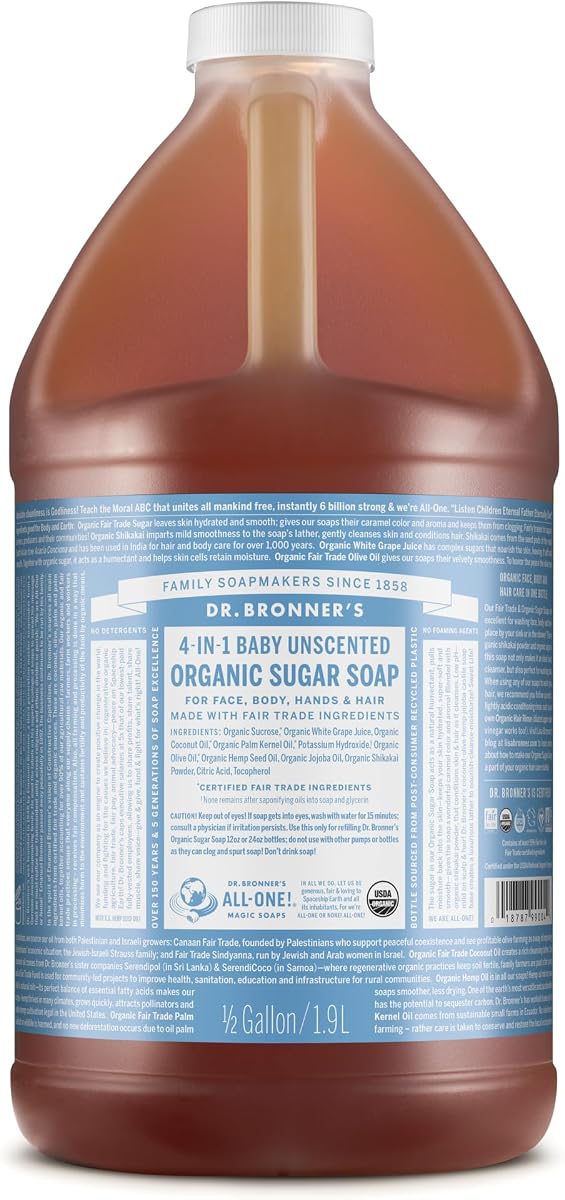
A multi-use, fair-trade organic soap that is gentle enough for pets yet effective at removing grime and odors.

A truly organic, non-toxic grooming solution that sets the gold standard for pet safety and environmental responsibility.

The gold standard for ethical personal and pet care. Dr. Bronner’s Peppermint Pure-Castile Soap is biodegradable, fair trade, and highly concentrated for multi-purpose use.

A legendary multi-use soap that is widely recommended by groomers for pets due to its organic, fair-trade ingredients and complete lack of synthetic detergents.

A soothing, organic balm for dry paws and noses, crafted with Fair Trade ingredients and a legacy of social activism.
An ultra-clean, soothing balm for cracked paws and dry noses. Crafted with Regenerative Organic Certified ingredients, this multi-purpose balm is safe for pets who lick their paws and is produced under world-class fair trade standards.

A versatile, highly ethical organic soap perfect for pet bathing. Using fair-trade ingredients and regenerative farming practices, it provides a gentle, effective clean without synthetic detergents.
A versatile, fair-trade certified organic soap that is gentle enough for pets and tough on dirt, formulated with nourishing sugar and calming lavender.

An industry-leading organic dog shampoo that sets the standard for ingredient purity and environmental safety. 4Legger avoids all synthetic chemicals, focusing on a true saponified oil base that is safe for sensitive skin and the planet.

A fully sweatshop-free, chemical-free pet bed handcrafted from organic European hemp, ideal for pets with chemical sensitivities or allergies.

A truly organic grooming solution that avoids the 'natural' marketing trap, using only USDA-certified whole-plant ingredients to soothe skin without synthetic chemicals.
What Whiskas is rated on
Whiskas and its parent company Mars Inc. have no formal third-party ethical certifications (e.g., USDA Organic, Fair Trade, or Leaping Bunny) on file for their cat food products. The brand does not publish a policy explicitly ending animal testing for finished pet food products; Mars Inc. states it does not test pet food on animals unless required by law, leaving a loophole for regions like mainland China where such tests may still be mandated. Environmental initiatives, such as packaging recyclability and ingredient sourcing, remain basic compared to industry leaders. Overall, Whiskas scores low on transparency and ethical accountability in the pet food sector.
How the alternatives were picked
The alternatives featured on this page are selected based on three key criteria: (1) published, verifiable policies against animal testing (preferably certified by recognized programs like Leaping Bunny or PETA’s Beauty Without Bunnies), (2) possession of at least one third-party ethical or sustainability certification (e.g., Certified B Corporation, MSC for fish, organic, or Rainforest Alliance), and (3) demonstrable commitments to ingredient sourcing that are more traceable and environmentally responsible than mass-market norms. Brands with clear, public sustainability reports and animal welfare guidelines are prioritized. For cat food, we also look for high meat content, no artificial additives, and grain-free options when possible.
What to check on the label
When switching from Whiskas to an ethical alternative, examine the label for: Animal testing policy – look for a clear ‘not tested on animals’ statement or a Leaping Bunny logo. Certifications – check for organic (e.g., USDA Organic), sustainable seafood (MSC or ASC), or B Corporation logos. Ingredient list – avoid vague terms like ‘meat by-products’ or ‘animal digest’ and opt for named protein sources (e.g., ‘chicken’ or ‘salmon’). Country of origin – avoid products sourced from or manufactured in countries with weak animal welfare regulations, such as China. Packaging – prefer brands using recycled, recyclable, or compostable materials. Finally, look for a clear sustainability or corporate responsibility page on the brand’s website to verify claims.
Frequently asked about Whiskas alternatives
Does Whiskas test on animals?+
Mars Inc., Whiskas’ parent company, does not test finished pet food products on animals unless required by law. However, it has no published global policy banning animal testing, and the sale of Whiskas in mainland China—where animal testing can be legally mandated—means there is no guarantee against it.
What certifications does Whiskas have?+
Whiskas and Mars Inc. have no third-party ethical certifications (e.g., organic, Fair Trade, Leaping Bunny, or B Corporation) publicly listed for their cat food products.
Are there budget-friendly ethical alternatives to Whiskas?+
Yes. Brands like ‘I and love and you’ and ‘Whole Heated’ offer affordable options with better transparency, no animal testing, and some certifications. Always check the label and company website for current policies.
Why is selling in mainland China a concern?+
China does not have a national ban on animal testing for pet food. Selling products there creates a risk that the brand could be subject to mandatory animal tests, even if they avoid testing elsewhere. Ethical shoppers prefer brands that explicitly refuse to sell in any market requiring such tests.