The Best USDA Organic Automotive in 2026
Every product on this page carries the USDA Organic certification and ranks among the highest for ethics in automotive. Independently scored on certifications, sourcing, packaging and brand practices.
- 1
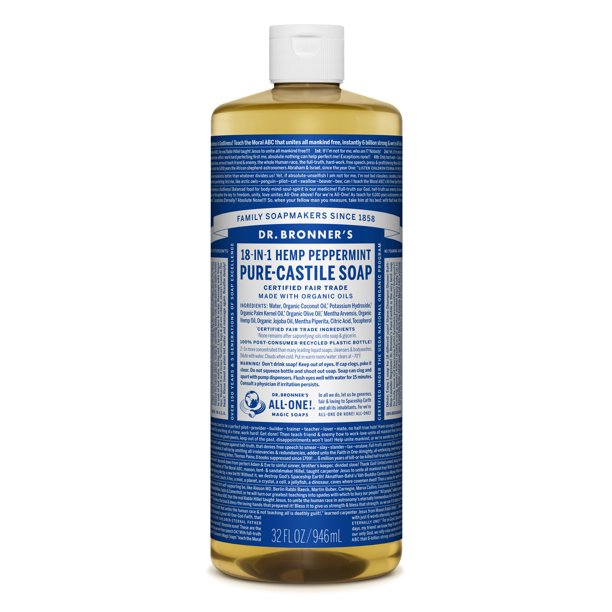 ExcellentB CorpFair TradeUSDA OrganicLeaping Bunny+1 more4.8 (22,000)
The gold standard in multipurpose ethical soaps, this concentrated castile soap is a favorite for eco-friendly car washing due to its full biodegradability.
- 2
 ExcellentUSDA OrganicClimate NeutralB Corp4.8 (85)
A high-performance bio-based motor oil derived from American-grown soybeans, offering superior lubricity and reduced environmental impact in case of leaks.
- 3
 ExcellentUSDA OrganicCruelty-FreeEWG Verified4.6 (1,240)
A high-performance, USDA Organic certified glass cleaner that is safe for automotive glass and window tints, utilizing non-toxic, plant-based surfactants.
TL;DR
The best USDA Organic automotive in 2026 is Dr. Bronner’s Pure-Castile Liquid Soap (Peppermint) by Dr. Bronner's, scoring 97/100 on our ethics index while holding USDA Organic certification — followed by Ecoline Biodegradable Motor Oil 5W-30, Greenshield Organic Biodegradable Glass Cleaner.
What USDA Organic certification means for automotive
USDA Organic is a third-party standard, so it cannot be self-awarded. We only apply it here when the certification is verifiable at brand or product level. On top of that mark, each product carries our composite 0–100 score across ingredient or material safety, supply-chain transparency, packaging sustainability and brand-level conduct — so a certified product with a poor parent-company record still ranks below a cleaner one. We never accept payment for placement.
How to actually choose ethical automotive — beyond this top 3
Picking a ethical automotive product looks simple until you flip the pack over and stare at a paragraph of INCI names, three sustainability logos of unclear provenance, and a marketing story that gestures at recyclability without specifying which parts, in which country, under which scheme. What follows is our attempt to translate that fog into practical shorthand.
The ethical automotive market has professionalised sharply over the last five years — a good thing when it means audited certifications and traceable supply chains, a bad thing when it means large conglomerates buying up indie brands whose ethical reputation predates their new ownership. Our brand-ownership map flags those cases directly on the product page. Where a ranking is close, the deciding factor is usually the parent company's broader record.
Green flags to look for
- Leaping Bunny + Vegan Society double-mark.
- COSMOS Organic or NATRUE for organic beauty.
- Refill or aluminium packaging over virgin plastic.
- Publicly disclosed full-ingredient list (INCI + concentrations if you're lucky).
Red flags to reject
- 'Natural' claims with no certification.
- Palm-derived surfactants (sodium palmate, glyceryl stearate) unless disclosed.
- Micas without a supplier-verified child-labour-free clause.
- Fragrance parfum blends with no allergen disclosure.
Certifications worth learning for automotive
Marks that regularly hold up in this category, cross-checked against public audit trails.
EthiCompare scores every automotive product across five pillars: (1) independently verified certifications, (2) ingredient- or material-level analysis against a running list of known animal-derived, palm-derived, and hazardous inputs, (3) supply-chain transparency and worker-welfare disclosures, (4) packaging and end-of-life design, and (5) parent-brand behaviour including animal-testing policy and lobbying history. Each pillar is scored 0-100 and combined into the composite ethics score you see on every card. We publicly document the methodology and never accept payment for placement.
Other certifications in automotive
USDA Organic in other categories
Frequently asked about USDA Organic automotive
What is the best USDA Organic automotive in 2026?+
Dr. Bronner’s Pure-Castile Liquid Soap (Peppermint) by Dr. Bronner's leads our USDA Organic automotive ranking with an ethics score of 97/100, verified against the USDA Organic standard plus our sourcing, packaging and transparency checks.
What does the USDA Organic certification actually guarantee?+
USDA Organic is a third-party standard, so a brand cannot self-declare it. We only apply the USDA Organic label to a product when the certification is verifiable at brand or product level — marketing language that merely echoes the standard does not qualify.
Is USDA Organic enough on its own when buying automotive?+
No single mark covers every ethical dimension. USDA Organic addresses part of the picture, which is why each product here also carries a composite 0–100 score across ingredients or materials, supply-chain disclosure, packaging and brand-level conduct.
How often is this USDA Organic automotive ranking updated?+
Positions recalculate whenever a score changes — a certification lapses, a controversy is documented, a formula changes, or a brand is acquired by a parent with a different ethics record.