The Best USDA Organic Food & Nutrition in 2026
Every product on this page carries the USDA Organic certification and ranks among the highest for ethics in food & nutrition. Independently scored on certifications, sourcing, packaging and brand practices.
- 1
 ExcellentUSDA OrganicRegenerative OrganicFair TradeVegan+2 more4.8 (420)
A gold-standard example of regenerative agriculture, these oats go beyond organic by actively restoring soil health and ensuring fair wages for farmers in a vertically integrated supply chain.
- 2
 ExcellentRegenerative OrganicFair TradeUSDA OrganicNon-GMO+2 more4.8 (12,450)
The gold standard for ethical food production, this coconut oil uses regenerative organic practices and fair trade labor to set a benchmark for corporate responsibility.
- 3
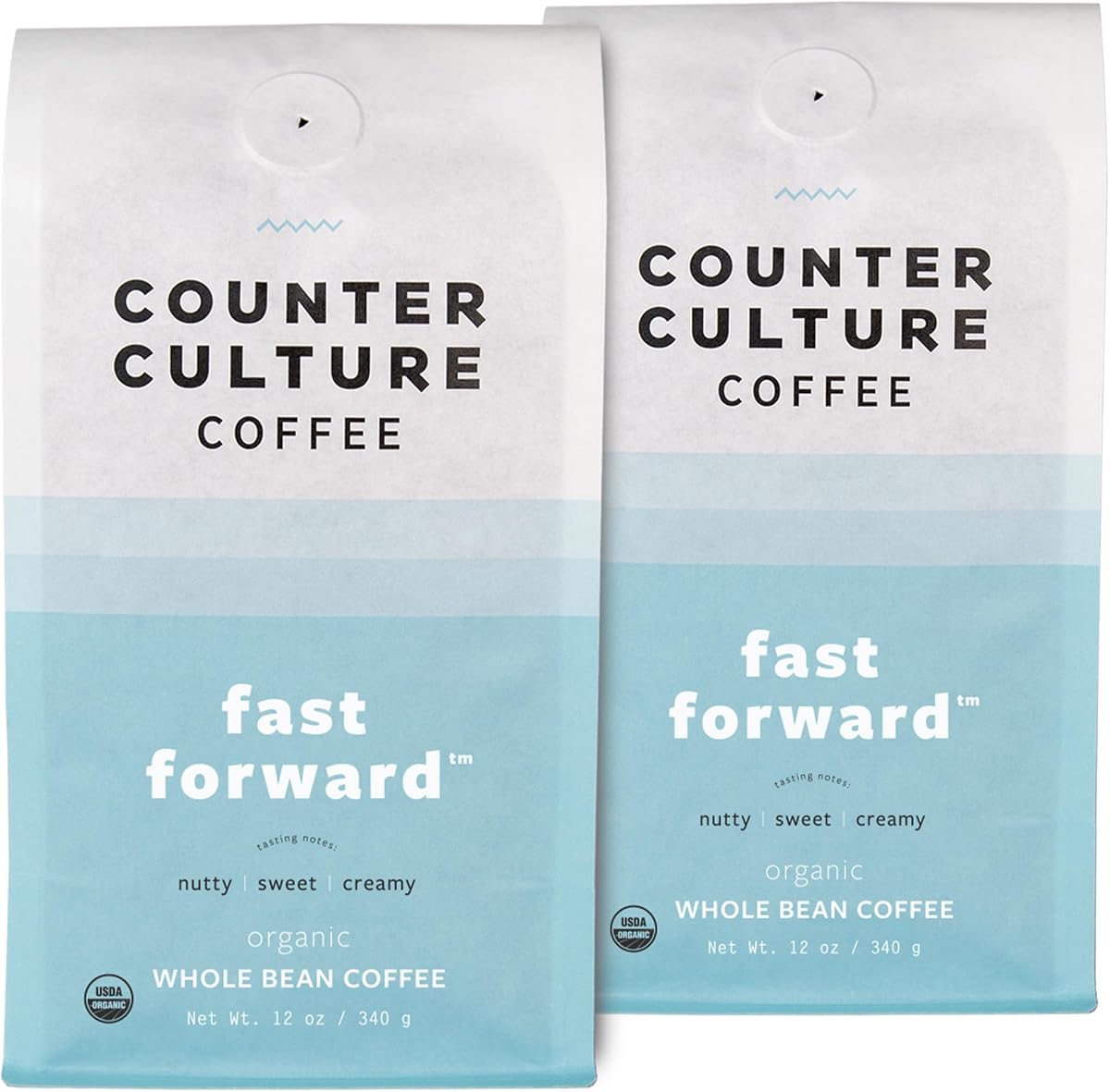 ExcellentUSDA OrganicB CorpRegenerative Organic4.9 (1,240)
A 100% farmer-owned coffee cooperative that bypasses traditional middlemen to ensure maximum profits return to the growers.
- 4
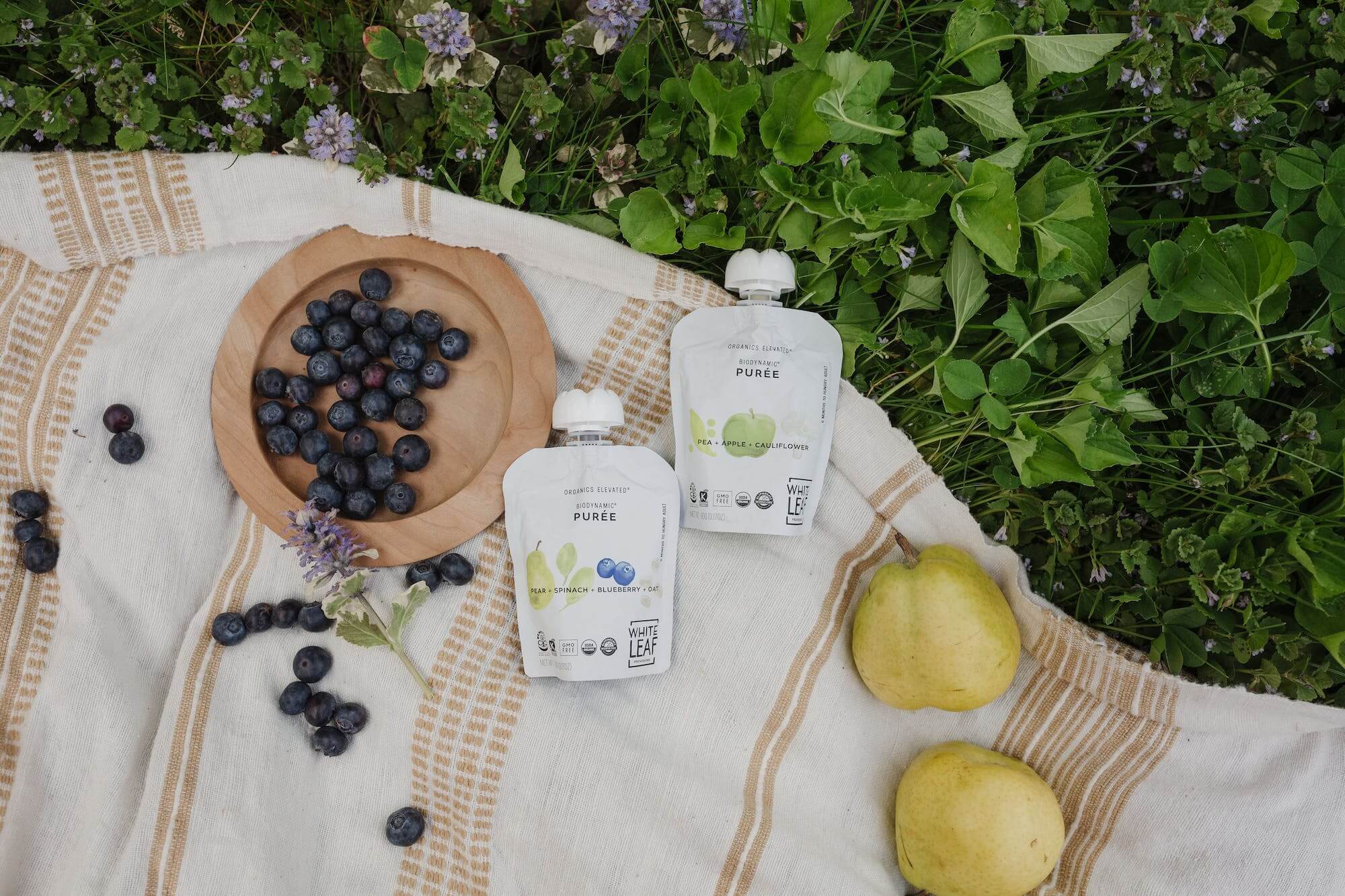 ExcellentUSDA OrganicDemeter CertifiedNon-GMOGlyphosate Residue Free4.9 (850)
The gold standard in baby food, offering Demeter-certified biodynamic ingredients that exceed organic standards for soil health and purity.
- 5
 ExcellentFair TradeUSDA OrganicRegenerative OrganicVegan+1 more4.7 (1,850)
A gold standard in ethical confectionery, combining fair-pay labor practices with regenerative cocoa farming that restores biodiversity in the Ivory Coast and Ghana.
- 6
 ExcellentRegenerative OrganicFair TradeUSDA OrganicB Corp+2 more4.8 (142)
A gold-standard breakfast staple sourced from family-owned farms in Montana using regenerative practices that actively sequester carbon and restore soil health.
- 7
 ExcellentRegenerative OrganicFair TradeUSDA OrganicVegan+2 more4.9 (15,420)
Arguably the most ethical coconut oil on the market, sourced from 'Serendipol' in Sri Lanka using regenerative practices that revitalize soil and support a fair-trade community.
- 8ExcellentRegenerative OrganicFair TradeB CorpVegan+1 more4.8 (850)
A gold standard in ethical confectionery, using regenerative farming to combat climate change while ensuring living wages for cocoa farmers.
- 9
 ExcellentUSDA OrganicFair TradeB CorpRegenerative Organic4.9 (850)
A 100% farmer-owned cooperative coffee brand that bypasses middlemen to ensure maximum profits return to the growers.
- 10
 ExcellentUSDA OrganicFair TradeRegenerative OrganicNon-GMO+1 more4.8 (4,200)
A gold standard in ethical food production, this virgin coconut oil is sourced from regenerative organic palms in Sri Lanka, ensuring soil health and fair wages.
TL;DR
The best USDA Organic food & nutrition in 2026 is Regenerative Organic Certified Toasted Whole Grain Oats by Dr. Bronner's, scoring 98/100 on our ethics index while holding USDA Organic certification — followed by Dr. Bronner’s Whole Kernel Virgin Coconut Oil, Organic Ethically Sourced Coffee - Honduras Medium Roast, Biodynamic Veggie & Grain Pouch Variety Pack (24-Pack).
What USDA Organic certification means for food & nutrition
USDA Organic is a third-party standard, so it cannot be self-awarded. We only apply it here when the certification is verifiable at brand or product level. On top of that mark, each product carries our composite 0–100 score across ingredient or material safety, supply-chain transparency, packaging sustainability and brand-level conduct — so a certified product with a poor parent-company record still ranks below a cleaner one. We never accept payment for placement.
How to actually choose ethical food & nutrition — beyond this top 10
Picking a ethical food & nutrition product looks simple until you flip the pack over and stare at a paragraph of INCI names, three sustainability logos of unclear provenance, and a marketing story that gestures at recyclability without specifying which parts, in which country, under which scheme. What follows is our attempt to translate that fog into practical shorthand.
The ethical food & nutrition market has professionalised sharply over the last five years — a good thing when it means audited certifications and traceable supply chains, a bad thing when it means large conglomerates buying up indie brands whose ethical reputation predates their new ownership. Our brand-ownership map flags those cases directly on the product page. Where a ranking is close, the deciding factor is usually the parent company's broader record.
Green flags to look for
- Fair Trade or Fairtrade International certification.
- USDA / EU Organic (or Soil Association) plus Regenerative Organic where relevant.
- Single-origin sourcing with named farm or co-op.
- Home-compostable or recyclable-in-kerbside packaging.
Red flags to reject
- Palm oil hidden as 'vegetable oil'.
- 'Fairtrade sourced' without a certification body.
- Ultra-processed 'plant-based' formulations with 20+ isolates.
- Country-of-origin missing on high-risk imports (cocoa, coffee, tea).
Certifications worth learning for food & nutrition
Marks that regularly hold up in this category, cross-checked against public audit trails.
EthiCompare scores every food & nutrition product across five pillars: (1) independently verified certifications, (2) ingredient- or material-level analysis against a running list of known animal-derived, palm-derived, and hazardous inputs, (3) supply-chain transparency and worker-welfare disclosures, (4) packaging and end-of-life design, and (5) parent-brand behaviour including animal-testing policy and lobbying history. Each pillar is scored 0-100 and combined into the composite ethics score you see on every card. We publicly document the methodology and never accept payment for placement.
Other certifications in food & nutrition
USDA Organic in other categories
Frequently asked about USDA Organic food & nutrition
What is the best USDA Organic food & nutrition in 2026?+
Regenerative Organic Certified Toasted Whole Grain Oats by Dr. Bronner's leads our USDA Organic food & nutrition ranking with an ethics score of 98/100, verified against the USDA Organic standard plus our sourcing, packaging and transparency checks.
What does the USDA Organic certification actually guarantee?+
USDA Organic is a third-party standard, so a brand cannot self-declare it. We only apply the USDA Organic label to a product when the certification is verifiable at brand or product level — marketing language that merely echoes the standard does not qualify.
Is USDA Organic enough on its own when buying food & nutrition?+
No single mark covers every ethical dimension. USDA Organic addresses part of the picture, which is why each product here also carries a composite 0–100 score across ingredients or materials, supply-chain disclosure, packaging and brand-level conduct.
How often is this USDA Organic food & nutrition ranking updated?+
Positions recalculate whenever a score changes — a certification lapses, a controversy is documented, a formula changes, or a brand is acquired by a parent with a different ethics record.