Plastic-Free Living: A Realistic Checklist
The 20% of swaps that eliminate 80% of household plastic — without buying overpriced 'zero-waste' kits.
Key takeaways
- 1.Bathroom and laundry swaps remove the most units per year.
- 2.Refill and concentrate formats beat 'recyclable' packaging.
- 3.Never replace working plastic items early — that creates waste.
- 4.Systemic policy change outweighs any individual swap.
Start in the bathroom
Bar soap and shampoo bars: most pump bottles become single-use. Bars last 2-3x longer and ship without water weight.
Refillable deodorant, toothpaste tabs, mouthwash tabs: now widely available; cut hundreds of plastic units per year per person.
Safety razor: a single $30 razor replaces decades of cartridges.
Kitchen wins
Beeswax or vegan wax wraps replace cling film for most uses.
Glass storage with silicone lids (not plastic Tupperware) is microwave- and dishwasher-safe and lasts decades.
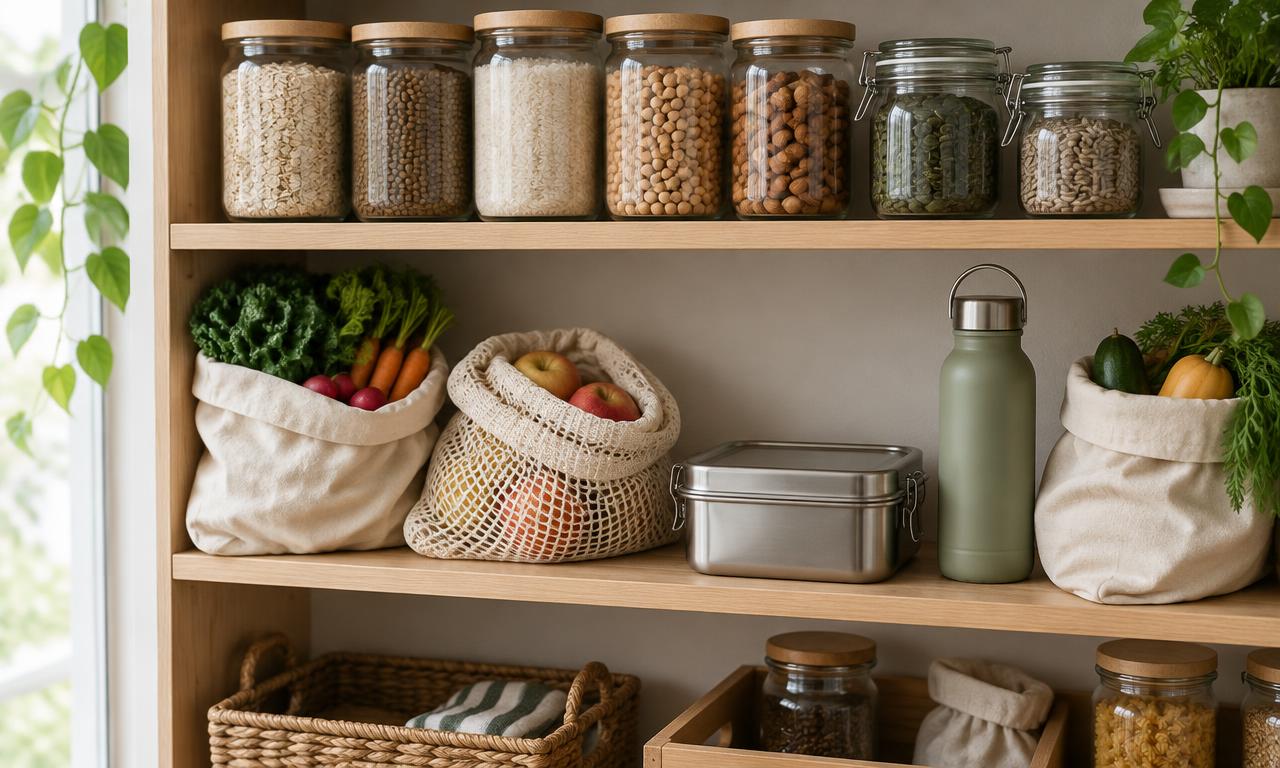
Reusable produce bags eliminate the thinnest, most-shed plastics in grocery stores.
Bulk-buy dry goods (rice, pasta, beans) at refill stores when available — the carbon savings from skipping packaging are larger than people assume.
Laundry & cleaning
Concentrated detergent strips or refill pouches cut packaging by 80-90% vs jugs.
Wool dryer balls replace dryer sheets and last years.
Microfibre catcher (Guppyfriend, Cora Ball): keeps synthetic fibers out of waterways.
The honest caveat
No household choice substitutes for systemic change. Voting, supporting deposit-return schemes and EPR laws, and buying less new stuff in any material moves the needle more than any single swap.
Compare the whole cost, not just the price tag
A refill or concentrate is only a useful swap if it works for the same job. Check dose, compatible containers and delivery before comparing prices.
- 01
Match the task and quantity: compare cost per wash, serving or usable item.
- 02
Include the first purchase: a dispenser or reusable container can change the starting cost.
- 03
Check repeat purchases: refill availability, delivery charges and how much you actually finish.
Illustrative prices, not retailer offers. Lower cost does not establish lower environmental impact or better performance.
Frequently asked questions
Is recycling enough?+
No. Only a fraction of household plastic is actually recycled, and quality degrades each cycle. Reduce and reuse first, recycle what is left.
Are compostable plastics a good alternative?+
Only where industrial composting collection actually exists. In landfill or home compost bins most of them behave much like conventional plastic.