Is Bridgestone sustainable?
Broadly yes — Bridgestone averages 70/100 on EthiCompare, and its packaging, sourcing and certification record hold up better than most brands we track. Its stated commitments, per the brand profile we hold: Carbon neutrality by 2050, 100% sustainable materials by 2050.
We read sustainability as verifiable practice, not marketing: third-party certification, packaging design, sourcing disclosure and published, dated targets. Claims without evidence score as unverified.
The evidence behind the answer
Cruelty-freeverified
No animal testing on finished tires.
Third-party certifiedverified
We record 3 distinct certifications across this brand's products.
Scored with our public methodology.
What Bridgestone's products show
Of the 2 Bridgestone products we score, 2 hold at least one sustainability or labour certification on file, and ethics scores range from 68 to 72/100.
| Product | Organic | Fair labour | Recyclable / compostable | Plastic-free packaging | Relevant certifications | Score |
|---|---|---|---|---|---|---|
| Ecopia EP422 Plus | Unverified | Unverified | Unverified | Unverified | Climate Neutral, Global Recycled Standard | 72 |
| Ecopia EP422 Plus Low Rolling Resistance Tires | Unverified | Unverified | Unverified | Unverified | FSC Certified, Climate Neutral | 68 |
"Yes" means a matching certification, label or material note is recorded for that product; "Unverified" means we hold no evidence either way, not that the answer is no.
How to check this yourself
Sustainability claims are only as good as the evidence behind them. Before you buy:
- Prefer independent certifications with a public register (B Corp, Fair Trade, FSC, GOTS, USDA Organic) over self-declared badges.
- Check whether the claim covers the whole product or one ingredient, and whether packaging is genuinely recyclable where you live.
- Look for dated, measurable targets and progress reports rather than open-ended pledges.
More on Bridgestone
Better-scoring alternatives to Bridgestone
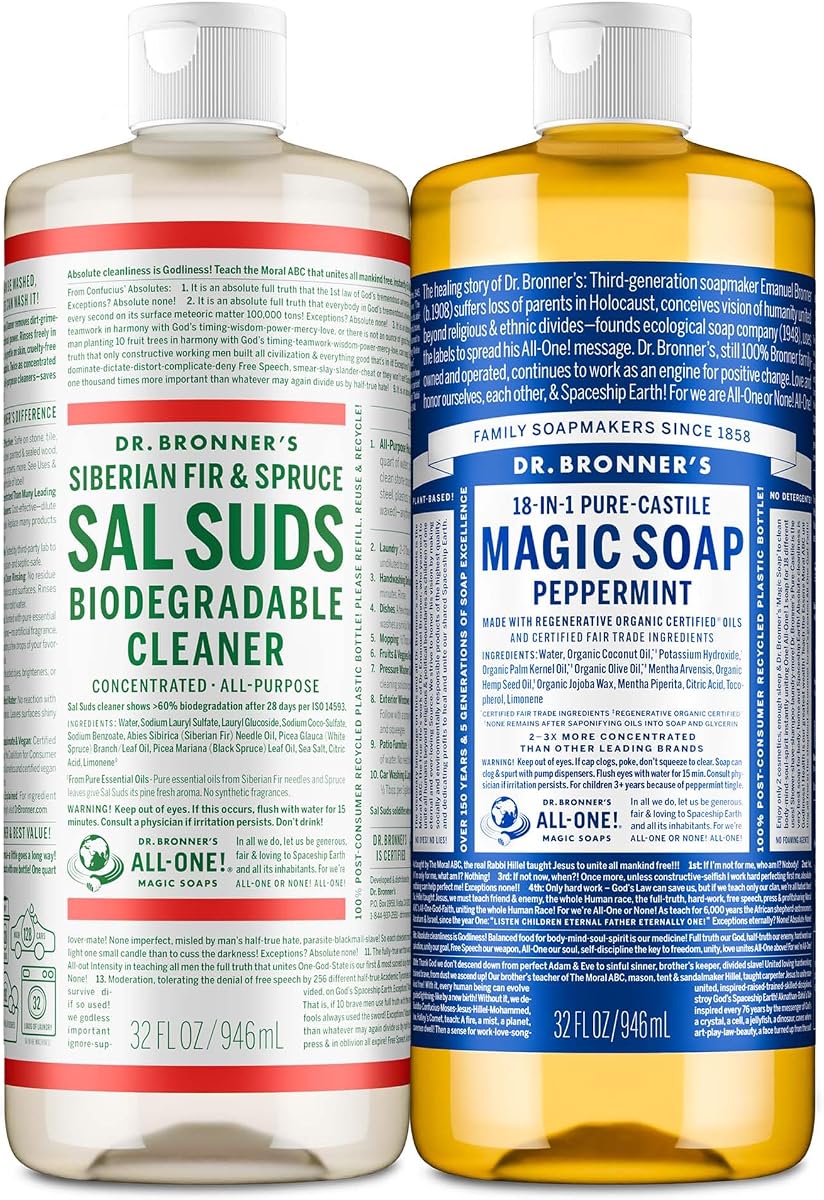
A highly concentrated, biodegradable cleaner that is safe for washing cars without harming local waterways or aquatic life.

High-end, breathable seat covers made from award-winning cactus leather sourced directly from Zacatecas, Mexico.

A premium automotive sunshade constructed from industrial hemp and recycled aluminum, offering superior heat rejection without synthetic off-gassing.

A portable, foldable car floor protector made from 100% FSC-certified Indonesian natural rubber, designed to protect rental cars from stroller wheels and spills.

The world's first plastic-free high-performance car mat made from Abacá banana plants, offering a circular alternative to synthetic rubber and petroleum-based carpet.

A high-performance, drill-free bike rack handcrafted in Hamburg, Germany, featuring a lifetime repair program and a modular design that eliminates the need for a tow bar.
Bridgestone: frequently asked
Is Bridgestone sustainable?+
Broadly yes — Bridgestone averages 70/100 on EthiCompare, and its packaging, sourcing and certification record hold up better than most brands we track. Its stated commitments, per the brand profile we hold: Carbon neutrality by 2050, 100% sustainable materials by 2050. Of the 2 Bridgestone products we score, 2 hold at least one sustainability or labour certification on file, and ethics scores range from 68 to 72/100.
Bridgestone: Cruelty-free?+
No animal testing on finished tires.
Bridgestone: Vegan options?+
No dedicated vegan range; tires are free from animal-derived ingredients.
Bridgestone: Third-party certified?+
We record 3 distinct certifications across this brand's products.
What is Bridgestone's ethics score?+
Bridgestone averages 70/100 across 2 products we score on certifications, sourcing, labour, packaging and transparency.