Is Lifesavers ethical and cruelty-free?
Not really — Lifesavers fails 2 of the 4 ethics signals we track, including its animal-testing position, and holds no third-party certification we can verify.
Lifesavers is a nostalgic candy brand owned by the Wm. Wrigley Jr. Company (a subsidiary of Mars, Incorporated). While it has no major controversies, the brand lacks third-party ethical certifications, is not vegan-friendly, and has limited public sustainability commitments relative to its parent company's broader initiatives.
The evidence, signal by signal
Cruelty-freeflagged
Mars does not test finished food products on animals, but Chinese regulations have historically required animal testing for some imported products; current policy compliance is unclear.
Vegan optionsunverified
Lifesavers does not offer a dedicated vegan range; many varieties contain gelatin or insect-derived glaze, so vegans must check ingredients per product.
Sells in mainland Chinaflagged
Selling through mainland Chinese retail has historically triggered post-market animal testing.
Third-party certifiedunverified
We don't track any of this brand's products yet, so product-level certifications are unchecked.
Public pledges: Parent company Mars, Inc. aims for net-zero emissions by 2050 and 100% sustainable packaging by 2025, but Lifesavers-specific progress is not publicly reported.
Scored with our public methodology. Profile last updated 2026-10-04.
Research notes on Lifesavers
Compiled from the brand's own statements and the public sources listed below, last reviewed 2026-10-04. We don't stock Lifesavers products, so nothing here is checked against product records.
Overview
Lifesavers is a classic American confectionery brand launched in 1912, known for its ring-shaped hard candies and fruit flavors. It is owned by the Wm. Wrigley Jr. Company, which is itself a wholly owned subsidiary of Mars, Incorporated—one of the world's largest privately held food companies. Mars has published sustainability goals, but Lifesavers as a brand does not prominently market separate ethical or environmental initiatives. The brand operates primarily in the U.S. and select international markets, with no record of controversial practices, though its animal-derived ingredients and lack of certifications raise concerns for ethically conscious consumers.
Certifications
Lifesavers does not currently carry any widely recognized third-party ethical certifications. It is not certified organic, non-GMO, Fair Trade, or B Corp. The brand's products are made with sugar, corn syrup, and artificial colors, and they are not certified by any animal-welfare or sustainability labels. Mars, Inc. participates in the Roundtable on Sustainable Palm Oil (RSPO) and the Rainforest Alliance for cocoa, but these certifications do not extend to Lifesavers individually. Consumers looking for certified ethical candies will need to look elsewhere.
Animal testing & vegan range
Mars, Incorporated has a publicly stated policy against animal testing for finished products except where required by law (e.g., by Chinese regulations). Lifesavers, as a non-cosmetic food product, is not subject to animal testing for safety, but the brand uses ingredients such as gelatin (in some varieties like Gummi Savers) and confectioner’s glaze (derived from insects) in some products. The brand does not offer a dedicated vegan range, and many flavors contain animal-derived ingredients. Vegans and vegetarians must carefully check ingredient lists for each variant.
Sustainability pledges
Mars, Inc. has set ambitious global sustainability targets, including a commitment to achieve net-zero greenhouse gas emissions across its full value chain by 2050, and to reduce emissions by 50% by 2030. The company also pledges to use 100% recycled or biodegradable packaging by 2025. However, Lifesavers as a sub-brand does not issue separate sustainability reports. Specific progress for Lifesavers packaging is not publicly detailed. The parent company sources sugar, corn syrup, and palm oil, with palm oil certified by RSPO, but chocolate ingredients are not a major component of Lifesavers.
Sourcing & labor
Mars, Inc. has a comprehensive Human Rights Policy and a Responsible Sourcing Standard that applies to all suppliers, including those for Lifesavers. The company audits for forced labor, child labor, and unsafe working conditions in its supply chain. Mars is a member of the UN Global Compact and publishes an annual sustainability report. However, independent verification of labor practices at the Lifesavers tier is not available. The brand's ingredients come from global commodity markets, which pose inherent risks; Mars uses third-party audits but does not disclose full supplier lists.
Controversies context
Lifesavers has no major controversies on record. Minor criticisms include the use of artificial colors (e.g., Red 40, Yellow 5) and sugar content, common among candies. Mars, Inc. has faced past lawsuits over lead levels in chocolate (not Lifesavers) and has been criticized for palm oil sourcing, but the company has since strengthened its commitments. Lifesavers itself remains a low-profile brand in ethical discussions, neither flagged for violations nor praised for leadership.
Bottom line
Lifesavers is a safe, nostalgic choice for consumers not prioritizing vegan, organic, or certified ethical standards. The brand benefits from its parent company's broad sustainability policies but does not lead in any specific ethical category. For shoppers seeking cruelty-free, plant-based, or certified candy, alternatives with explicit certifications should be considered. Lifesavers is best viewed as a neutral option with no major ethical wins or failures.
High-scoring food & nutrition picks to compare
Top-scoring products from other brands in the category Lifesavers sells in. A starting point for comparison, not proof that each one beats Lifesavers.

The gold standard for ethical food production, this coconut oil uses regenerative organic practices and fair trade labor to set a benchmark for corporate responsibility.
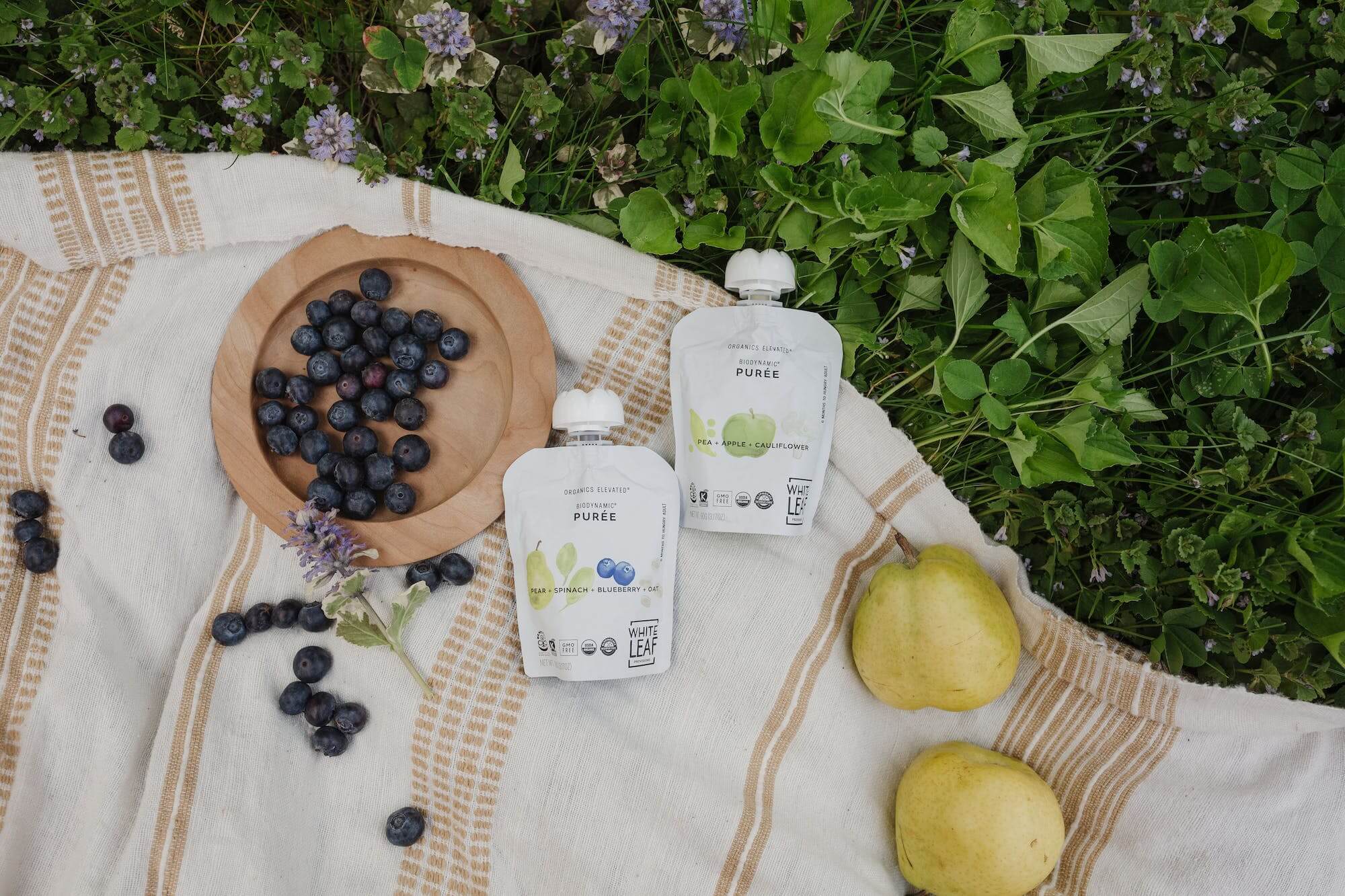
The gold standard in baby food, offering Demeter-certified biodynamic ingredients that exceed organic standards for soil health and purity.

Exquisite heirloom Malagasy cocoa produced entirely at the source in Madagascar. This professional-grade bulk trunk supports direct-trade and lemur habitat conservation.

A nutrient-dense heirloom grain sourced through fully transparent supply chains that support regenerative farming practices in the Peruvian Andes.

A women-owned B Corp that prioritizes equitable purchasing and environmental stewardship through long-term farmer partnerships.

The gold standard in European baby food, Holle's Demeter-certified porridges offer chemical-free nutrition for infants. A top-rated staple for health-conscious parents in urban environments.
More on Lifesavers
Is Lifesavers ethical? FAQs
Is Lifesavers cruelty-free?+
Mars does not test finished food products on animals, but Chinese regulations have historically required animal testing for some imported products; current policy compliance is unclear.
Does Lifesavers have vegan products?+
Lifesavers does not offer a dedicated vegan range; many varieties contain gelatin or insect-derived glaze, so vegans must check ingredients per product.
Does Lifesavers sell in mainland China?+
Selling through mainland Chinese retail has historically triggered post-market animal testing.
What is Lifesavers' ethics score?+
We don't score any Lifesavers products yet, so there is no ethics score. The signals above come from the brand profile and the sources listed on this page.
What are the best alternatives to Lifesavers?+
High-scoring food & nutrition products to compare include Dr. Bronner’s Whole Kernel Virgin Coconut Oil by Dr. Bronner's, Biodynamic Veggie & Grain Pouch Variety Pack (24-Pack) by White Leaf Provisions, Luxury Single-Origin Dark Chocolate Professional Collection - 20kg Chef's Trunk by Beyond Good.