Is Lifesavers sustainable?
We do not yet score enough Lifesavers products to give the brand a sustainability rating. Its stated commitments, per the brand profile we hold: Parent company Mars, Inc. aims for net-zero emissions by 2050 and 100% sustainable packaging by 2025, but Lifesavers-specific progress is not publicly reported.
We read sustainability as verifiable practice, not marketing: third-party certification, packaging design, sourcing disclosure and published, dated targets. Claims without evidence score as unverified.
The evidence behind the answer
Cruelty-freeflagged
Mars does not test finished food products on animals, but Chinese regulations have historically required animal testing for some imported products; current policy compliance is unclear.
Third-party certifiednot independently verified
We don't track any of this brand's products yet, so product-level certifications are unchecked.
Scored with our public methodology.
How to check this yourself
Sustainability claims are only as good as the evidence behind them. Before you buy:
- Prefer independent certifications with a public register (B Corp, Fair Trade, FSC, GOTS, USDA Organic) over self-declared badges.
- Check whether the claim covers the whole product or one ingredient, and whether packaging is genuinely recyclable where you live.
- Look for dated, measurable targets and progress reports rather than open-ended pledges.
More on Lifesavers
High-scoring food & nutrition picks to compare with Lifesavers

The gold standard for ethical food production, this coconut oil uses regenerative organic practices and fair trade labor to set a benchmark for corporate responsibility.
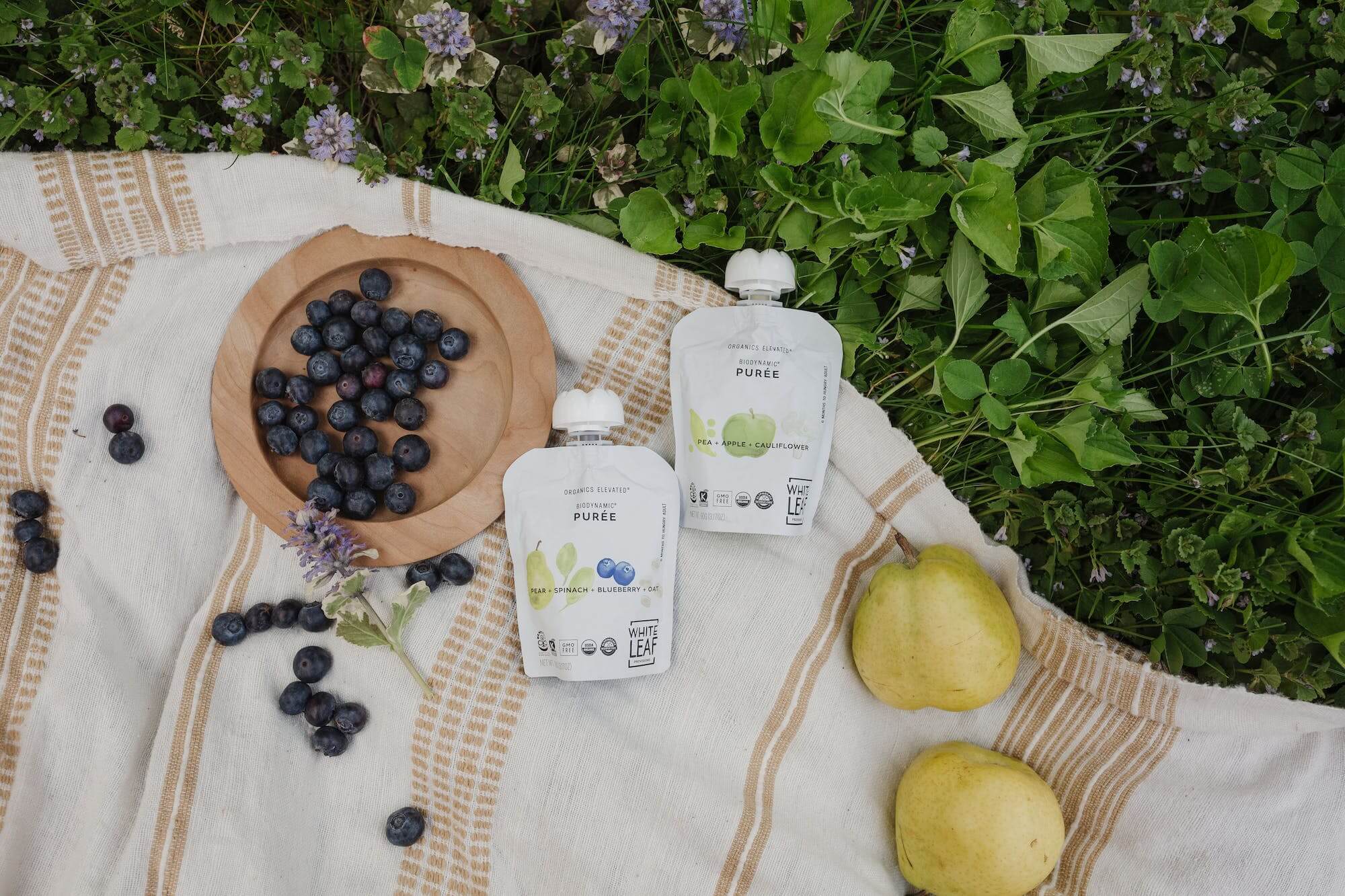
The gold standard in baby food, offering Demeter-certified biodynamic ingredients that exceed organic standards for soil health and purity.

Exquisite heirloom Malagasy cocoa produced entirely at the source in Madagascar. This professional-grade bulk trunk supports direct-trade and lemur habitat conservation.

A nutrient-dense heirloom grain sourced through fully transparent supply chains that support regenerative farming practices in the Peruvian Andes.

A women-owned B Corp that prioritizes equitable purchasing and environmental stewardship through long-term farmer partnerships.

The gold standard in European baby food, Holle's Demeter-certified porridges offer chemical-free nutrition for infants. A top-rated staple for health-conscious parents in urban environments.
Lifesavers: frequently asked
Is Lifesavers sustainable?+
We do not yet score enough Lifesavers products to give the brand a sustainability rating. Its stated commitments, per the brand profile we hold: Parent company Mars, Inc. aims for net-zero emissions by 2050 and 100% sustainable packaging by 2025, but Lifesavers-specific progress is not publicly reported.
Lifesavers: Cruelty-free?+
Mars does not test finished food products on animals, but Chinese regulations have historically required animal testing for some imported products; current policy compliance is unclear.
Lifesavers: Vegan options?+
Lifesavers does not offer a dedicated vegan range; many varieties contain gelatin or insect-derived glaze, so vegans must check ingredients per product.
Lifesavers: Sells in mainland China?+
Selling through mainland Chinese retail has historically triggered post-market animal testing.
Lifesavers: Third-party certified?+
We don't track any of this brand's products yet, so product-level certifications are unchecked.