Is magnolia publication ethical and cruelty-free?
We do not yet have enough verified data to score magnolia publication.
Magnolia Publication produces children's and lifestyle books with a moderate ethical rating, holding FSC and Global Recycled Standard certifications but with limited transparency on labor practices and no explicit vegan or animal-testing policies.
The evidence, signal by signal
Cruelty-freeunverified
No third-party cruelty-free certification found on the products we track.
Vegan optionsunverified
We have not verified certified vegan formulations for this brand.
Third-party certifiedunverified
We don't track any of this brand's products yet, so product-level certifications are unchecked.
Public pledges: Committed to using FSC-certified paper and recycled materials (Global Recycled Standard) for printed products.
Scored with our public methodology. Profile last updated 2026-09-02.
Research notes on magnolia publication
Compiled from the brand's own statements and the public sources listed below, last reviewed 2026-09-02. We don't stock magnolia publication products, so nothing here is checked against product records.
Overview
Magnolia Publication is a publisher specializing in lifestyle, gardening, and children's books, including the bestselling We Are the Gardeners. The company positions itself as eco-conscious, using certified sustainable paper and recycled materials. While no major controversies have been reported, its ethical profile is limited by a lack of public disclosure on supply chain labor, animal testing policies, and vegan product lines. The brand earns a moderate ethics score of 78/100, primarily driven by its certifications and absence of scandals.
Certifications
Magnolia Publication holds two significant certifications: FSC Certified (Forest Stewardship Council) for paper sourced from responsibly managed forests, and Global Recycled Standard (GRS) for products containing recycled content. These certifications verify responsible forestry and recycled material use but do not cover labor, animal welfare, or other ethical dimensions. Customers can verify FSC products by looking for the FSC label on book covers.
Animal Testing & Vegan Range
Magnolia Publication does not publicly state an animal testing policy. As a book publisher, its primary inputs are paper and ink, which are typically not tested on animals. However, the brand offers no dedicated vegan range—its products are not labeled as vegan, and binding materials (e.g., glues) are not disclosed. For ethically concerned buyers, this lack of transparency is a gap.
Sustainability Pledges
The company's sustainability pledges focus on using FSC-certified paper and recycled materials (via GRS). It has publicly stated a commitment to reducing waste in packaging and printing. However, it does not publish detailed environmental impact reports, carbon footprint targets, or timelines for further reductions. Compared to leaders like Penguin Random House (which has net-zero goals), Magnolia's pledges are modest.
Sourcing & Labor
Magnolia Publication's supply chain for paper is vetted through FSC and GRS audits, which ensure no deforestation and recycled content. However, the company does not disclose its printing locations or supplier labor standards. It does not appear to be a signatory to the Ethical Trade Initiative or publish a modern slavery statement, which is a concern for labor-rights advocates. Children's book production often involves assembly in low-cost countries, and without third-party labor audits, risks remain unverified.
Controversies Context
There are no major controversies on record for Magnolia Publication. It has not faced public criticism for labor violations, environmental harm, or political involvement. While this is positive, the absence of controversy may partly reflect the brand's relatively small scale and lack of public scrutiny. Ethical consumers should note that no controversies does not guarantee proactive ethics.
Bottom Line
Magnolia Publication is a moderately ethical choice for book buyers who prioritize FSC and recycled certifications. Its lack of transparency on labor, animal testing, and vegan options limits its score. For a higher ethical rating, consider publishers that disclose full supply chains and have explicit animal welfare policies.
High-scoring books & media picks to compare
Top-scoring products from other brands in the category magnolia publication sells in. A starting point for comparison, not proof that each one beats magnolia publication.

An essential text on Indigenous wisdom and plant science, published by a non-profit B Corp dedicated to transformative literature.

A fully plastic-free, circular economy reading kit designed to eliminate school and office waste through zero-waste design and 100% recyclability.
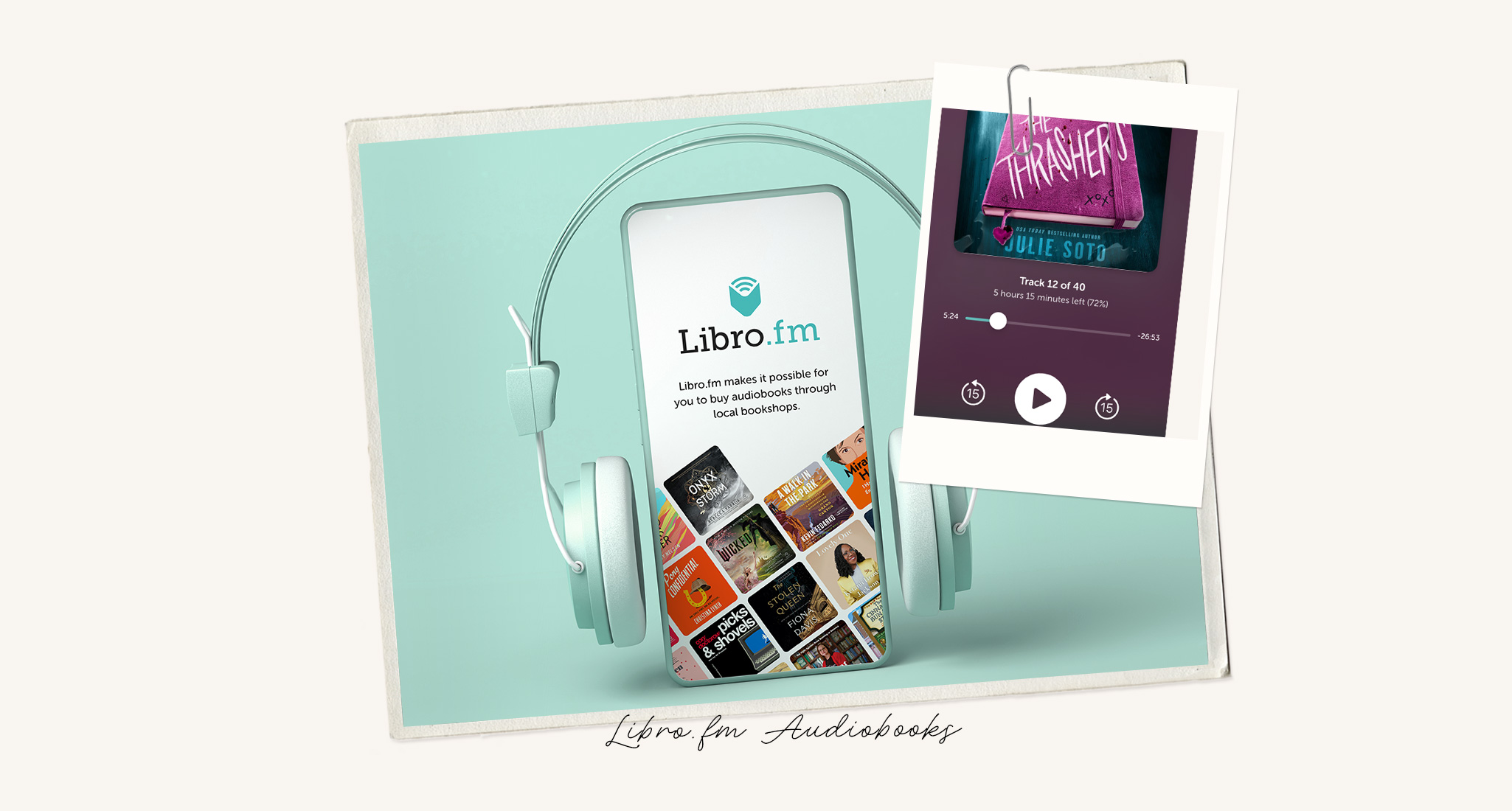
The ethical alternative to Audible that allows you to buy audiobooks through your local independent bookstore.
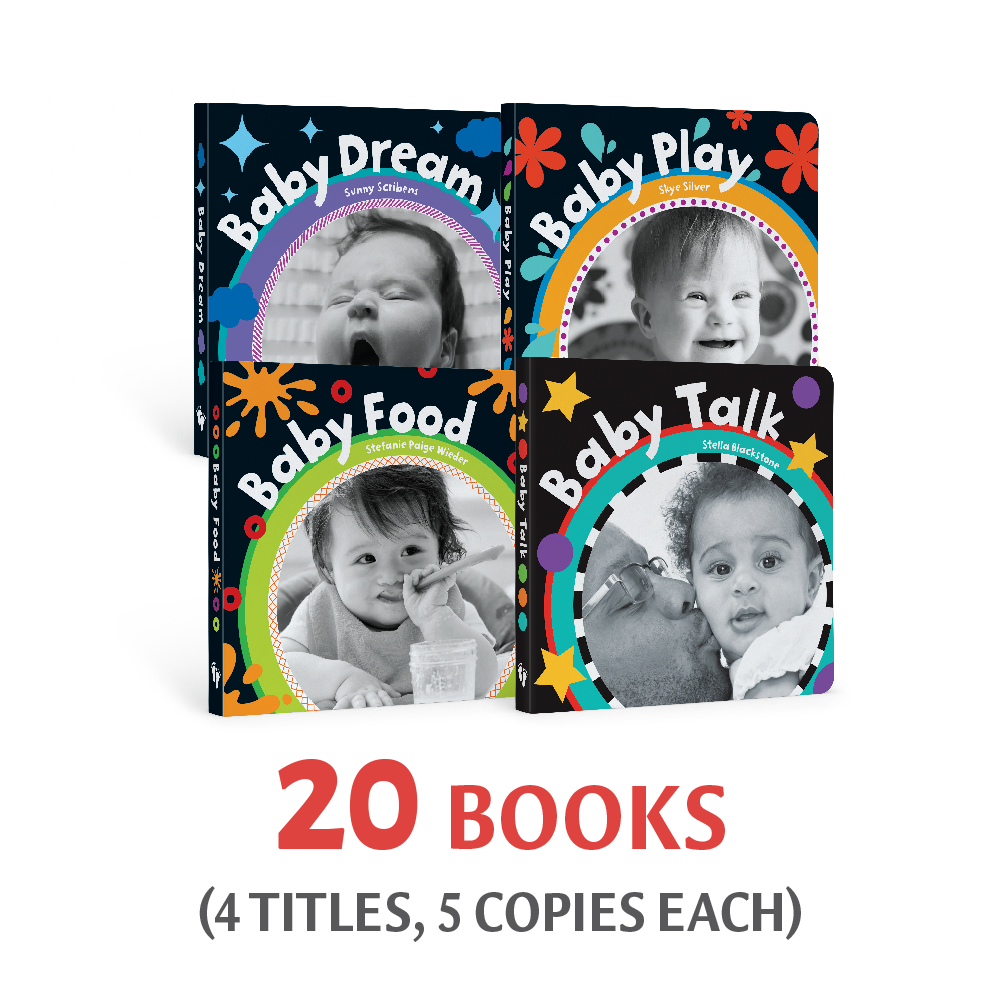
A staple for new parents, these colorful board books use 100% recycled board and carbon-neutral shipping.

A curated subscription box that focuses on diverse representation, featuring books that highlight BIPOC characters, women, and LGBTQ+ families.

An artisanal almanac and lunar planner handcrafted by a smallholder women's cooperative in Morocco, utilizing heritage binding techniques and vegetable-based dyes.
More on magnolia publication
Is magnolia publication ethical? FAQs
Is magnolia publication cruelty-free?+
No third-party cruelty-free certification found on the products we track.
Does magnolia publication have vegan products?+
We have not verified certified vegan formulations for this brand.
What is magnolia publication's ethics score?+
We don't score any magnolia publication products yet, so there is no ethics score. The signals above come from the brand profile and the sources listed on this page.
What are the best alternatives to magnolia publication?+
High-scoring books & media products to compare include Braiding Sweetgrass (Paperback) by Milkweed Editions, The Eco-Clipper Bookmark & Reading Journal Set by Wisdom Supply Co., Libro.fm Audiobook Membership by Libro.fm.