Is Nestlé ethical and cruelty-free?
Not really — Nestlé fails 2 of the 4 ethics signals we track, including its animal-testing position, and holds no third-party certification we can verify.
Nestlé is the world's largest food company and one of the most boycotted. Criticism covers infant-formula marketing, water extraction, cocoa supply-chain child labour and plastic packaging volume, alongside Rainforest Alliance and Fairtrade sourcing in parts of the portfolio.
The evidence, signal by signal
Cruelty-freeflagged
Nestlé conducts animal testing for some food-safety and nutrition research and is not cruelty-free.
Vegan optionsunverified
Nestlé owns plant-based lines (Garden Gourmet, Sweet Earth) but the wider portfolio is not vegan.
Sells in mainland Chinaflagged
Selling through mainland Chinese retail has historically triggered post-market animal testing.
Third-party certifiedunverified
We don't track any of this brand's products yet, so product-level certifications are unchecked.
Public pledges: Targets net zero by 2050, designed-for-recycling packaging, and deforestation-free primary supply chains for key commodities.
Scored with our public methodology. Profile last updated 2026-08-16.
Controversy timeline
(6 recorded)- Medium
French investigation into illegal water treatments
French prosecutors expanded an investigation into Nestlé Waters regarding the use of prohibited treatment methods, such as UV lamps and carbon filters, for its mineral water brands like Perrier and Vittel. In mid-2024, it was reported that the company reached a high-value settlement (CJIP) to resolve allegations of fraud and environmental infractions related to these illicit purification techniques. The controversy highlights systemic regulatory non-compliance in the company's bottled water division.
Source - Medium
Legal action over Maggi noodles lead and MSG claims
In May 2024, the Supreme Court of India revived a class-action lawsuit filed by the central government against Nestlé India seeking damages for alleged unfair trade practices and misleading advertisements related to Maggi noodles. The case stems from long-standing allegations regarding excessive lead content and the presence of MSG despite 'No added MSG' labels. This development signifies a major legal escalation in one of the brand's largest markets regarding food safety standards.
Source - High
Health concerns leading to Perrier production suspension
Nestlé was ordered by French authorities to suspend production at several wells providing water for the Perrier brand due to fecal contamination and bacterial risks linked to extreme weather events. The company was forced to destroy approximately two million bottles of water as a precautionary measure following a formal decree by the regional health agency. This incident raised significant concerns regarding the safety and environmental resilience of Nestlé's water sources.
Source - High
Baby-formula marketing violations in low-income countries
Changing Markets and BMJ investigations documented Nestlé pushing high-sugar baby cereals in low- and middle-income markets vs healthier variants sold in wealthy countries.
Source - High
Sugar addition in baby food products in developing countries
An investigation by Public Eye and the International Baby Food Action Network revealed that Nestlé adds significant amounts of sugar and honey to infant milk and cereal products sold in low- and middle-income countries, while products in European markets remain sugar-free. This practice contradicts WHO guidelines aimed at preventing obesity and chronic diseases in children. The report sparked widespread public health concerns regarding double standards in nutrition labeling and product formulation.
Source - High
Bottled-water permits in drought-hit California
Nestlé (now BlueTriton) was found to have extracted San Bernardino National Forest water for years under a 1988 permit that had lapsed, during a state drought.
Source
High-scoring food & nutrition picks to compare
Top-scoring products from other brands in the category Nestlé sells in. A starting point for comparison, not proof that each one beats Nestlé.

The gold standard for ethical food production, this coconut oil uses regenerative organic practices and fair trade labor to set a benchmark for corporate responsibility.
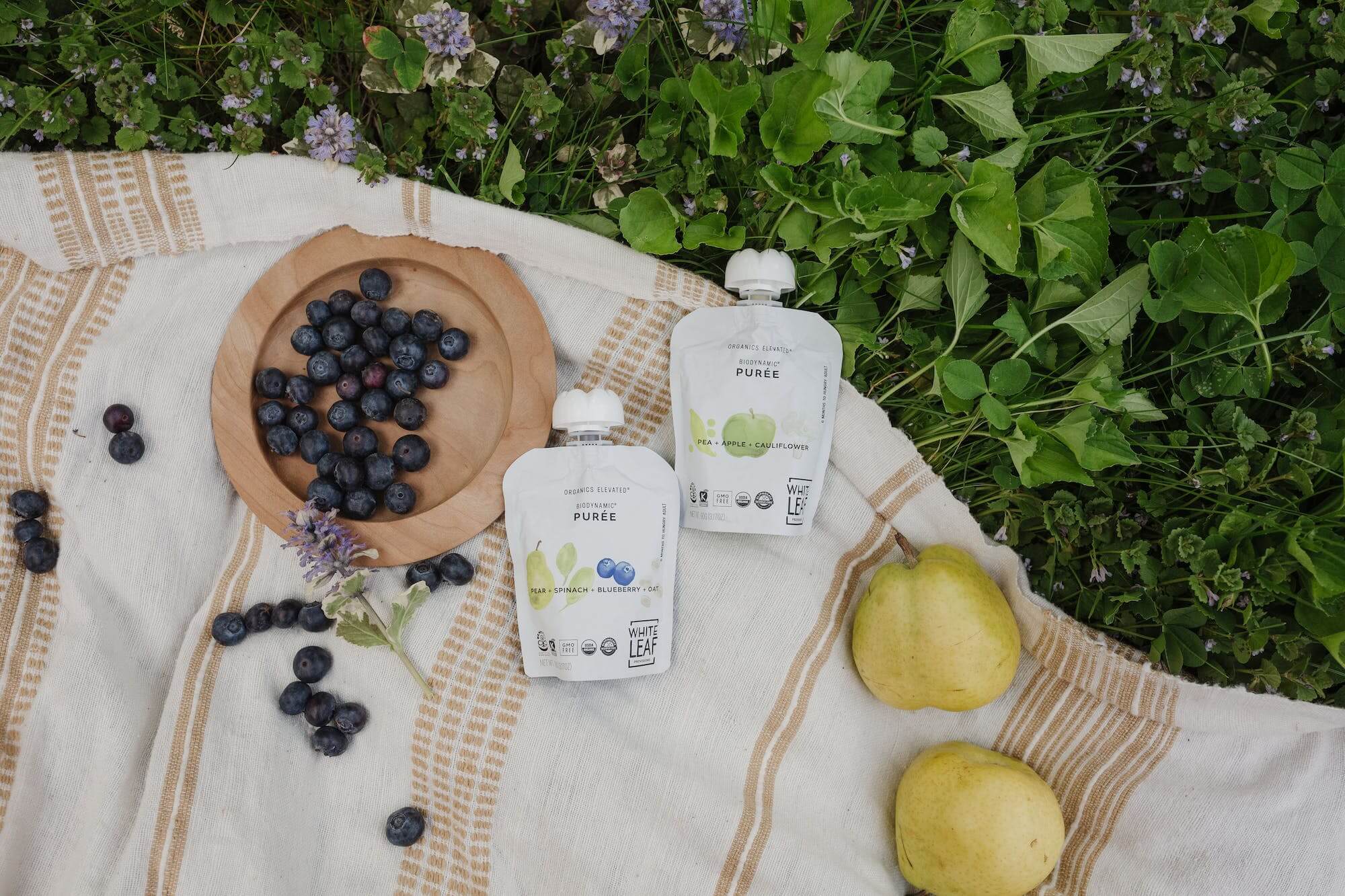
The gold standard in baby food, offering Demeter-certified biodynamic ingredients that exceed organic standards for soil health and purity.

Exquisite heirloom Malagasy cocoa produced entirely at the source in Madagascar. This professional-grade bulk trunk supports direct-trade and lemur habitat conservation.

A nutrient-dense heirloom grain sourced through fully transparent supply chains that support regenerative farming practices in the Peruvian Andes.

A women-owned B Corp that prioritizes equitable purchasing and environmental stewardship through long-term farmer partnerships.

The gold standard in European baby food, Holle's Demeter-certified porridges offer chemical-free nutrition for infants. A top-rated staple for health-conscious parents in urban environments.
More on Nestlé
Is Nestlé ethical? FAQs
Is Nestlé cruelty-free?+
Nestlé conducts animal testing for some food-safety and nutrition research and is not cruelty-free.
Does Nestlé have vegan products?+
Nestlé owns plant-based lines (Garden Gourmet, Sweet Earth) but the wider portfolio is not vegan.
Does Nestlé sell in mainland China?+
Selling through mainland Chinese retail has historically triggered post-market animal testing.
What is Nestlé's ethics score?+
We don't score any Nestlé products yet, so there is no ethics score. The signals above come from the brand profile and the sources listed on this page.
What are the best alternatives to Nestlé?+
High-scoring food & nutrition products to compare include Dr. Bronner’s Whole Kernel Virgin Coconut Oil by Dr. Bronner's, Biodynamic Veggie & Grain Pouch Variety Pack (24-Pack) by White Leaf Provisions, Luxury Single-Origin Dark Chocolate Professional Collection - 20kg Chef's Trunk by Beyond Good.