Ethical Alternatives to Nestlé
Nestlé is the world’s largest food company and one of the most widely boycotted brands, facing criticism over infant-formula marketing in developing countries, water extraction practices, cocoa supply chain child labor, and high plastic packaging volume. While portions of its portfolio are Rainforest Alliance or Fairtrade certified, the company’s overall record raises concerns for many ethical shoppers.
Categories compared: Food & Nutrition, Baby & Kids, Pet Care
Why shoppers look for alternatives to Nestlé
- Decades of controversy over aggressive infant-formula marketing in lower-income countries, linked to WHO code violations.
- Child labor and forced labor risks in cocoa supply chains, despite some Fairtrade and Rainforest Alliance sourcing.
- Large-scale water extraction in drought-prone regions, often at the expense of local communities.
- Massive plastic packaging footprint — Nestlé is one of the top global plastic polluters by brand audit data.
- Not certified cruelty-free: Nestlé conducts animal testing for some food-safety and nutrition research.
Top-scoring alternatives to Nestlé

A gold-standard example of regenerative agriculture, these oats go beyond organic by actively restoring soil health and ensuring fair wages for farmers in a vertically integrated supply chain.

A truly organic, non-toxic dog shampoo that sets the gold standard for safety and environmental purity in pet grooming.
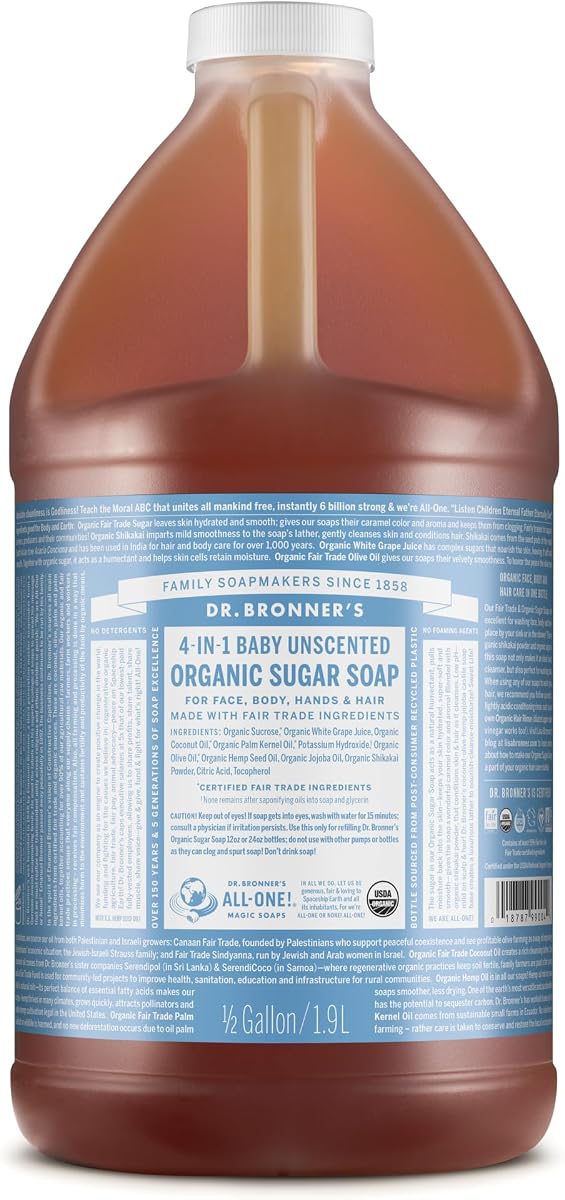
A multi-use, fair-trade organic soap that is gentle enough for pets yet effective at removing grime and odors.

A truly organic, non-toxic grooming solution that sets the gold standard for pet safety and environmental responsibility.

The gold standard for ethical personal and pet care. Dr. Bronner’s Peppermint Pure-Castile Soap is biodegradable, fair trade, and highly concentrated for multi-purpose use.

The gold standard for ethical food production, this coconut oil uses regenerative organic practices and fair trade labor to set a benchmark for corporate responsibility.
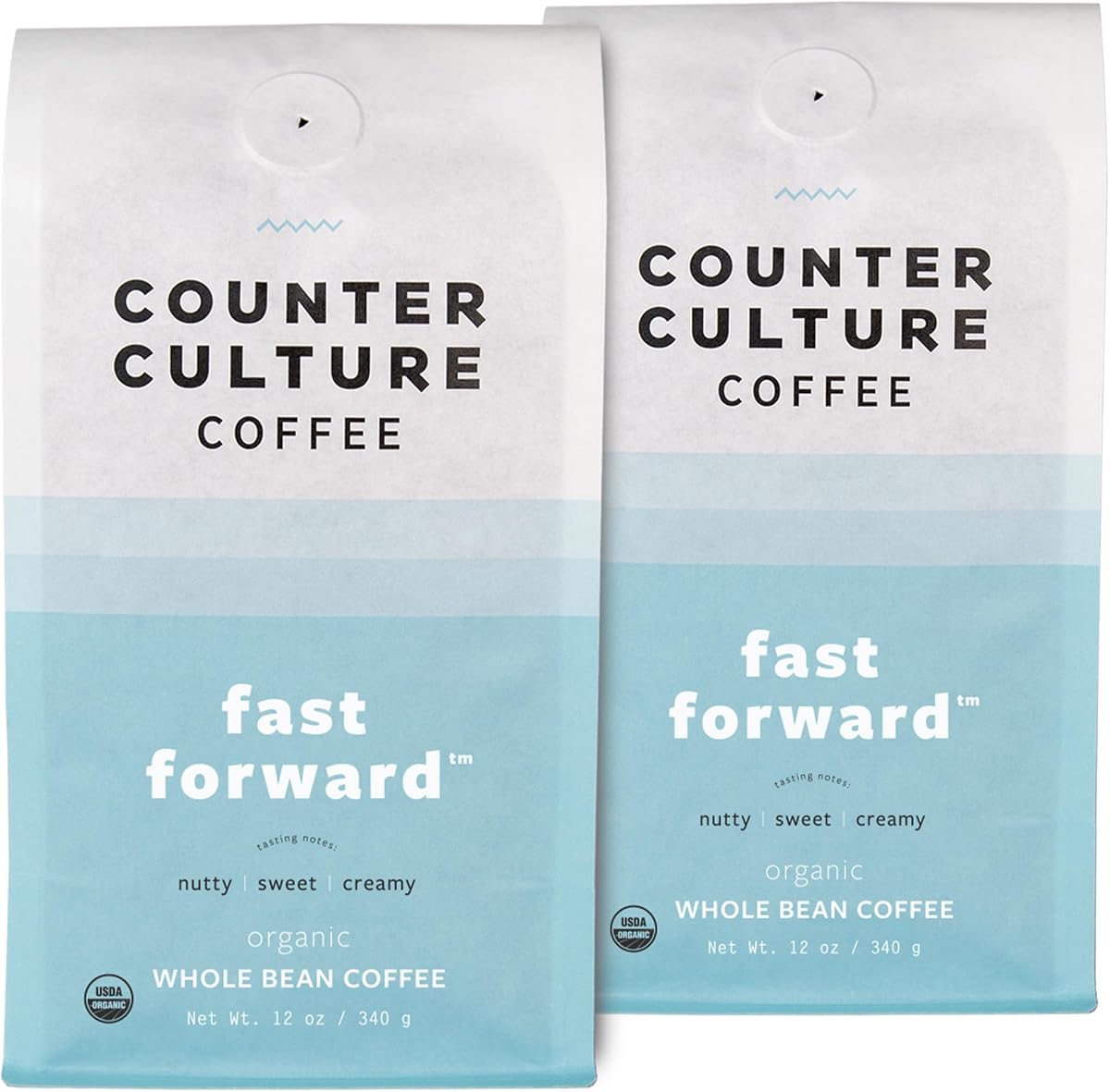
A 100% farmer-owned coffee cooperative that bypasses traditional middlemen to ensure maximum profits return to the growers.

A legendary multi-use soap that is widely recommended by groomers for pets due to its organic, fair-trade ingredients and complete lack of synthetic detergents.

A soothing, organic balm for dry paws and noses, crafted with Fair Trade ingredients and a legacy of social activism.

An award-winning sensory play gym handcrafted in Malawi, pairing traditional wicker weaving with modern, 100% biodegradable corn-starch (PLA) hanging charms.
A gold-standard organic crib mattress that eliminates PFAS, flame retardants, and polyurethane foam, utilizing food-grade waterproofing.
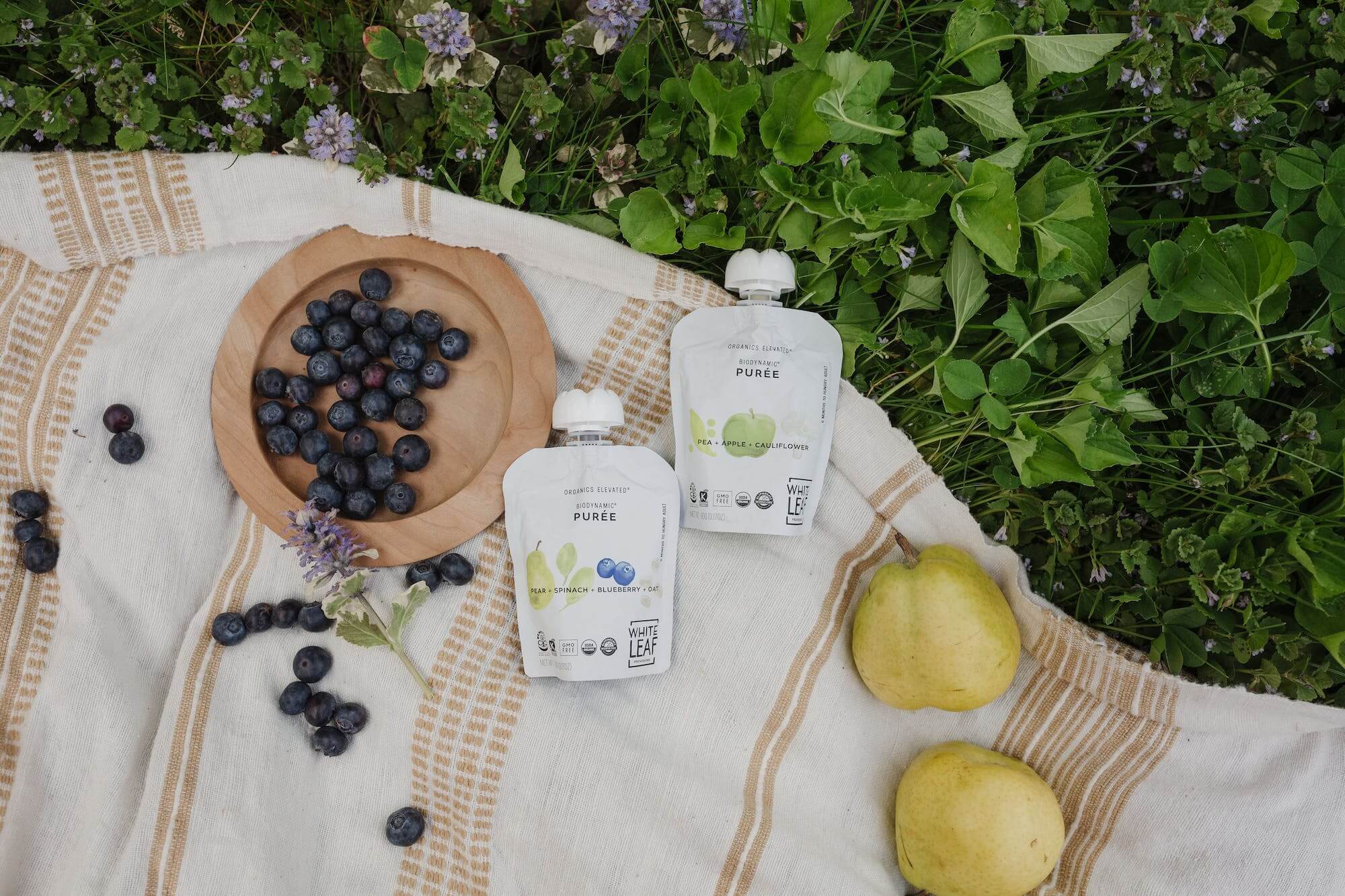
The gold standard in baby food, offering Demeter-certified biodynamic ingredients that exceed organic standards for soil health and purity.
What Nestlé is rated on
Nestlé’s ethical performance is rated by several independent organizations. It holds Rainforest Alliance and Fairtrade certifications for parts of its coffee, cocoa, and tea supply chains — but coverage is partial, not company-wide. The company scores poorly on environmental criteria due to its plastic packaging volume and water extraction conflicts. In animal welfare, Nestlé is not certified cruelty-free and conducts animal testing for some food-safety and nutrition studies. Human rights groups have repeatedly documented child and forced labor in its cocoa supply in West Africa, despite certification efforts.
How the alternatives were picked
We selected alternatives based on three criteria: (1) independent certifications such as B Corp, Fairtrade, or Rainforest Alliance with demonstrated supply chain oversight; (2) a clear policy against child labor and forced labor in sourcing; and (3) a commitment to reduce or eliminate plastic packaging, or use recycled/compostable materials. We also prioritized brands that are explicitly cruelty-free (no animal testing) where relevant. For each category below, we highlight brands that compete directly with Nestlé’s main product lines but meet these higher ethical standards.
What to check on the label
When replacing Nestlé products, look for these labels and claims: Fairtrade Certified (ensures farmer premiums, but verify labor audits); Rainforest Alliance Certified (covers environmental and social criteria); B Corp (holistic social and environmental accountability); Plastic Neutral or Zero Waste packaging claims (check if third-party verified). For baby formula, seek brands that are WHO Code compliant and do not market in low-income countries. For pet food, look for certified organic or humanely raised meat sources. No single label guarantees perfection, but combining several certifications reduces risk.
Frequently asked about Nestlé alternatives
Does Nestlé use child labor in its cocoa supply chain?+
Yes — independent investigations and the U.S. Department of Labor have identified child labor and forced labor in Nestlé’s cocoa supply chain in Ivory Coast and Ghana. Despite Fairtrade and Rainforest Alliance certifications on some products, these certifications do not guarantee full elimination of child labor, and Nestlé’s own remediation programs have been criticized for limited reach.
Is Nestlé cruelty-free?+
No. Nestlé is not certified cruelty-free by any major organization (e.g., Leaping Bunny, PETA). The company states it conducts animal testing for some food-safety and nutrition research, and does not rule out testing where required by law. This policy applies to both human food and pet food divisions.
What is the main ethical issue with Nestlé’s infant formula?+
Nestlé has been accused of violating the WHO International Code of Marketing of Breast-milk Substitutes since the 1970s, including practices such as providing free formula to hospitals in low-income countries, which can undermine breastfeeding and lead to increased infant illness and death. The company continues to face legal and activist challenges over these practices.
Which Nestlé product categories are most problematic for ethical shoppers?+
The three categories with the most documented ethical issues are (1) Baby formula (due to marketing practices), (2) Chocolate and cocoa products (child labor), and (3) Bottled water (water extraction in water-stressed regions). Pet food also raises concerns due to Nestlé’s animal testing policy.