Is Penguin Random House sustainable?
Broadly yes — Penguin Random House averages 80/100 on EthiCompare, and its packaging, sourcing and certification record hold up better than most brands we track. Its stated commitments, per the brand profile we hold: Net-zero emissions by 2030, 100% FSC-certified or recycled paper by 2025, 30% emission reduction since 2019.
We read sustainability as verifiable practice, not marketing: third-party certification, packaging design, sourcing disclosure and published, dated targets. Claims without evidence score as unverified.
The evidence behind the answer
Cruelty-freeverified
Penguin Random House does not conduct or commission animal testing on its products.
Third-party certifiedverified
We record 4 distinct certifications across this brand's products.
Scored with our public methodology.
What Penguin Random House's products show
Of the 2 Penguin Random House products we score, 2 hold at least one sustainability or labour certification on file, and ethics scores range from 78 to 82/100.
| Product | Organic | Fair labour | Recyclable / compostable | Plastic-free packaging | Relevant certifications | Score |
|---|---|---|---|---|---|---|
| The Seven Moons of Maali Almeida | Unverified | Unverified | Unverified | Unverified | FSC Certified, B Corp, Climate Neutral | 82 |
| The Little Book of Lykke | Unverified | Unverified | Unverified | Unverified | FSC Certified, Climate Neutral | 78 |
"Yes" means a matching certification, label or material note is recorded for that product; "Unverified" means we hold no evidence either way, not that the answer is no.
How to check this yourself
Sustainability claims are only as good as the evidence behind them. Before you buy:
- Prefer independent certifications with a public register (B Corp, Fair Trade, FSC, GOTS, USDA Organic) over self-declared badges.
- Check whether the claim covers the whole product or one ingredient, and whether packaging is genuinely recyclable where you live.
- Look for dated, measurable targets and progress reports rather than open-ended pledges.
More on Penguin Random House
Better-scoring alternatives to Penguin Random House

An essential text on Indigenous wisdom and plant science, published by a non-profit B Corp dedicated to transformative literature.
A seminal work published by a non-profit indie press dedicated to the relationship between the natural world and human culture.

A fully plastic-free, circular economy reading kit designed to eliminate school and office waste through zero-waste design and 100% recyclability.
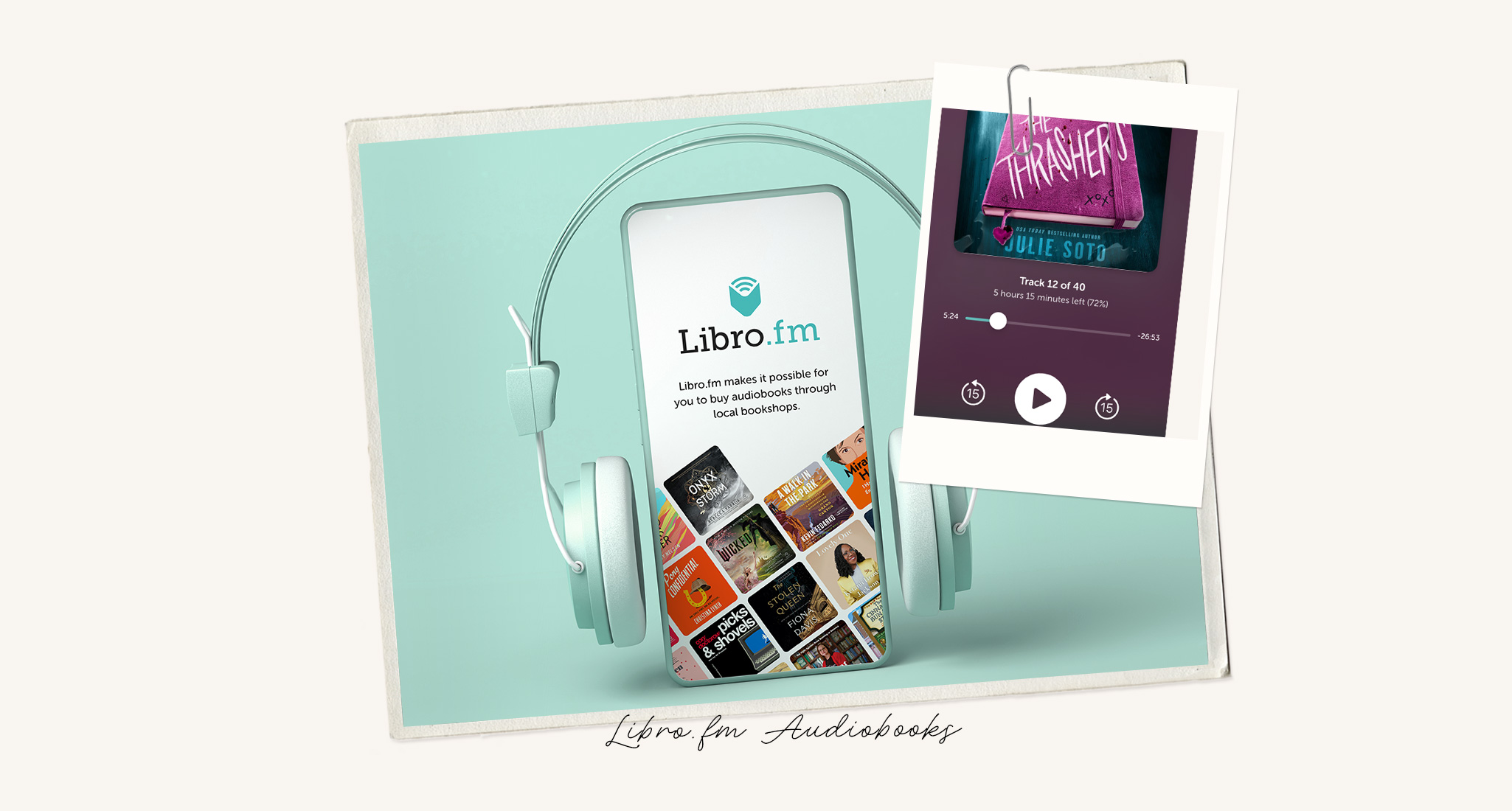
The ethical alternative to Audible that allows you to buy audiobooks through your local independent bookstore.
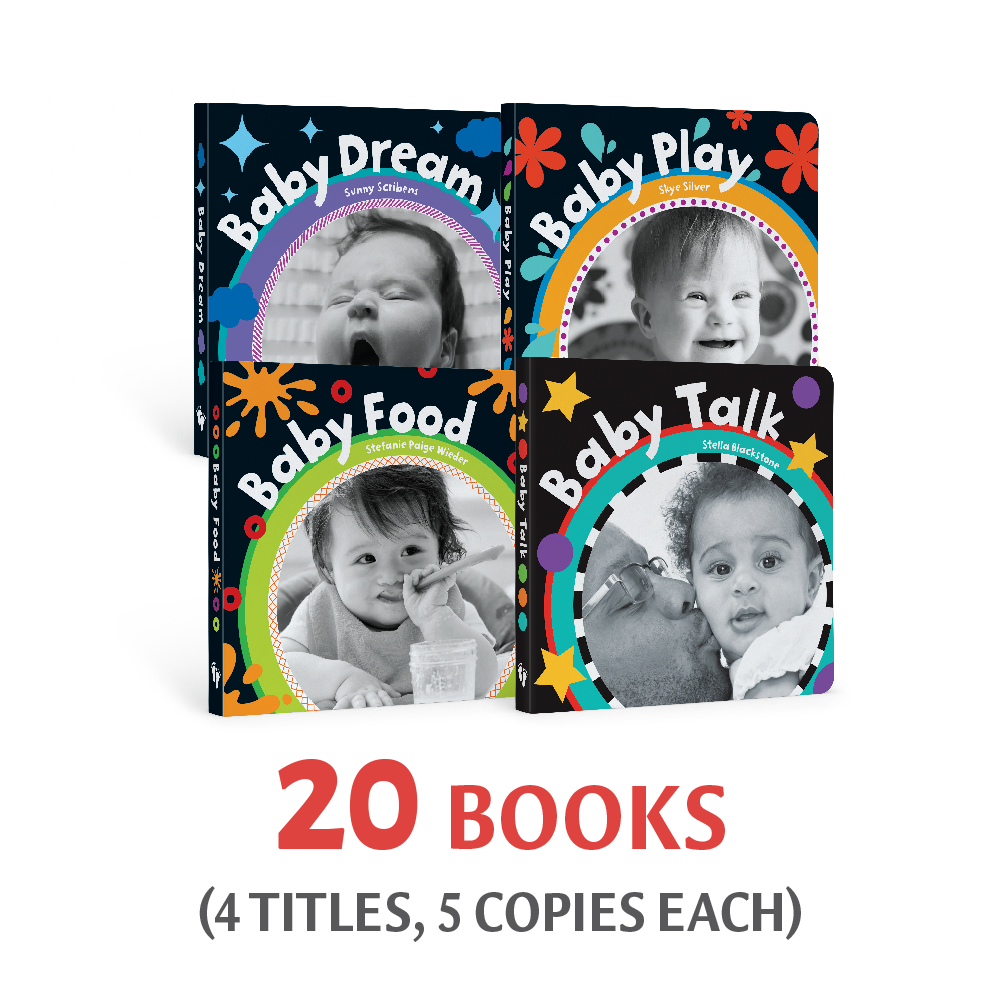
A staple for new parents, these colorful board books use 100% recycled board and carbon-neutral shipping.

A curated subscription box that focuses on diverse representation, featuring books that highlight BIPOC characters, women, and LGBTQ+ families.
Penguin Random House: frequently asked
Is Penguin Random House sustainable?+
Broadly yes — Penguin Random House averages 80/100 on EthiCompare, and its packaging, sourcing and certification record hold up better than most brands we track. Its stated commitments, per the brand profile we hold: Net-zero emissions by 2030, 100% FSC-certified or recycled paper by 2025, 30% emission reduction since 2019. Of the 2 Penguin Random House products we score, 2 hold at least one sustainability or labour certification on file, and ethics scores range from 78 to 82/100.
Penguin Random House: Cruelty-free?+
Penguin Random House does not conduct or commission animal testing on its products.
Penguin Random House: Vegan options?+
No dedicated vegan product range; standard books are paper-based, but specialty editions may use animal-derived materials.
Penguin Random House: Third-party certified?+
We record 4 distinct certifications across this brand's products.
What is Penguin Random House's ethics score?+
Penguin Random House averages 80/100 across 2 products we score on certifications, sourcing, labour, packaging and transparency.