Is The Anou sustainable?
Broadly yes — The Anou averages 94/100 on EthiCompare, and its packaging, sourcing and certification record hold up better than most brands we track. Its stated commitments, per the brand profile we hold: The Anou pledges to use renewable natural fibers, minimal-energy handcrafting, and zero-waste production methods.
We read sustainability as verifiable practice, not marketing: third-party certification, packaging design, sourcing disclosure and published, dated targets. Claims without evidence score as unverified.
The evidence behind the answer
Cruelty-freeverified
The Anou does not test on animals and uses no animal testing in its supply chain.
Third-party certifiednot independently verified
We record 1 distinct certification across this brand's products.
Scored with our public methodology.
What The Anou's products show
Of the 1 The Anou product we score, 1 holds at least one sustainability or labour certification on file, and the ethics score is 94/100.
| Product | Organic | Fair labour | Recyclable / compostable | Plastic-free packaging | Relevant certifications | Score |
|---|---|---|---|---|---|---|
| Anou Handwoven Moroccan Cactus Silk & Wool Outdoor Garden Pouf | Unverified | Yes | Unverified | Unverified | Fair Trade | 94 |
"Yes" means a matching certification, label or material note is recorded for that product; "Unverified" means we hold no evidence either way, not that the answer is no.
How to check this yourself
Sustainability claims are only as good as the evidence behind them. Before you buy:
- Prefer independent certifications with a public register (B Corp, Fair Trade, FSC, GOTS, USDA Organic) over self-declared badges.
- Check whether the claim covers the whole product or one ingredient, and whether packaging is genuinely recyclable where you live.
- Look for dated, measurable targets and progress reports rather than open-ended pledges.
More on The Anou
Better-scoring alternatives to The Anou

Authentic Indian Khadi (hand-spun, hand-woven) cotton curtains. A premium, small-batch textile that supports the village industries of Karnataka, offering natural insulation and light blocking.

This GOTS-certified organic cotton blanket offers year-round comfort with a high-end texture that empty-nesters love for guest rooms.

A vibrant, durable accent rug handwoven in Ghana using local sisal and organic cotton, providing a vegan and biodegradable alternative to synthetic polyester rugs.
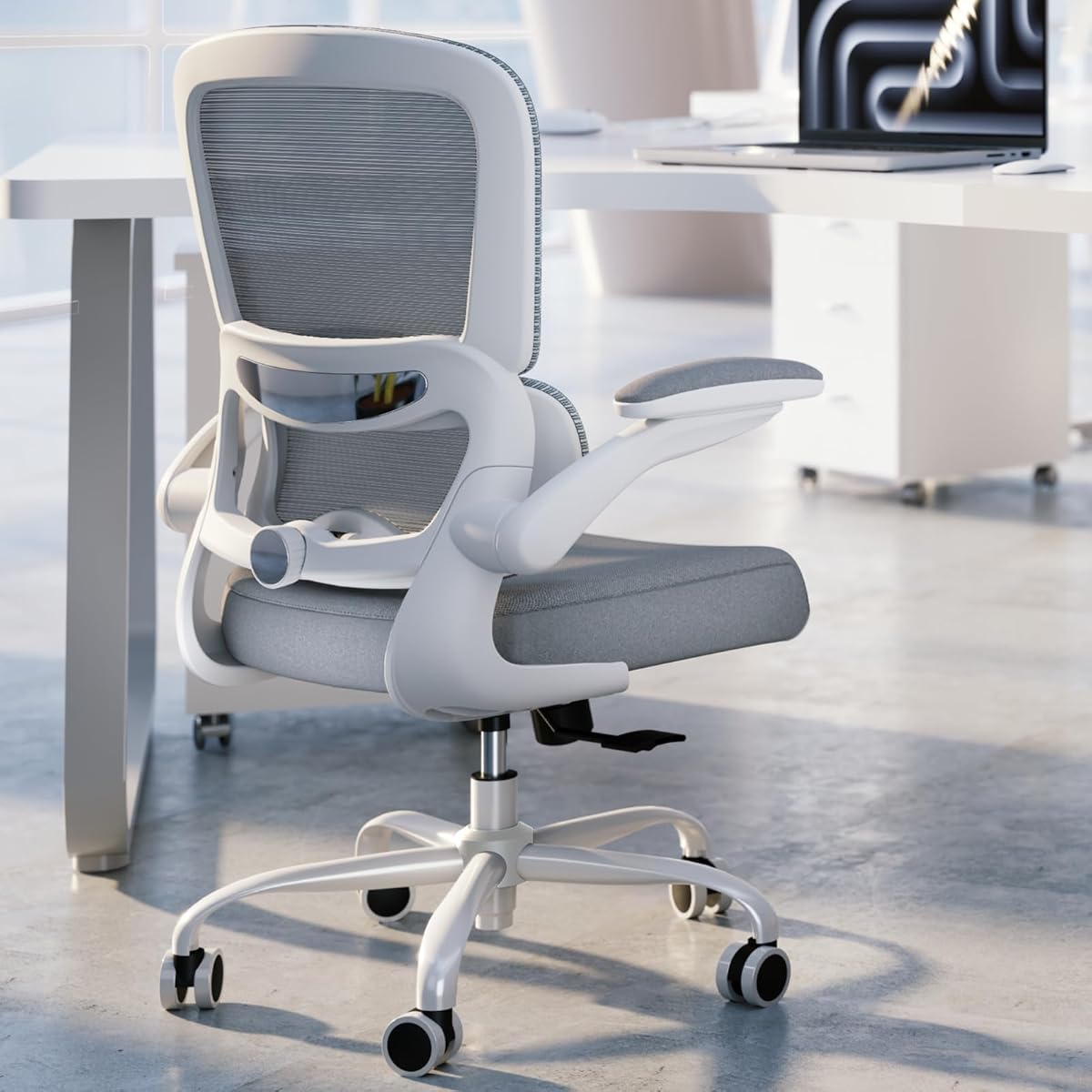
A revolutionary 3D-printed chair made from upcycled food waste and plant-based resins, manufactured on-demand in the USA to eliminate waste.

A luxury, handcrafted pillow made from GOLS-certified organic latex and GOTS-certified organic cotton. This pillow is carbon negative and specifically designed to provide adjustable support for all sleeper types while adhering to the highest environmental standards.

A revolutionary piece of furniture made entirely from recycled plastic waste. Pentatonic leads the circular economy movement with this modular, high-design seating solution.
The Anou: frequently asked
Is The Anou sustainable?+
Broadly yes — The Anou averages 94/100 on EthiCompare, and its packaging, sourcing and certification record hold up better than most brands we track. Its stated commitments, per the brand profile we hold: The Anou pledges to use renewable natural fibers, minimal-energy handcrafting, and zero-waste production methods. Of the 1 The Anou product we score, 1 holds at least one sustainability or labour certification on file, and the ethics score is 94/100.
The Anou: Cruelty-free?+
The Anou does not test on animals and uses no animal testing in its supply chain.
The Anou: Vegan options?+
The Anou offers some 100% cactus silk or cotton items suitable for vegans, but the wool pouf is not vegan.
The Anou: Third-party certified?+
We record 1 distinct certification across this brand's products.
What is The Anou's ethics score?+
The Anou averages 94/100 across 1 product we score on certifications, sourcing, labour, packaging and transparency.