Is The Anou ethical and cruelty-free?
Yes — The Anou scores 94/100 on EthiCompare, one of the stronger ratings in our database, with 1 of 3 ethics signals verified.
The Anou is a worker-owned cooperative based in Morocco that ethically produces handcrafted home goods like the cactus silk and wool pouf. With a strong focus on artisan empowerment, fair trade practices, and sustainable materials, it scores highly as a transparent and low-controversy brand.
The evidence, signal by signal
Cruelty-freeverified
The Anou does not test on animals and uses no animal testing in its supply chain.
Vegan optionsunverified
The Anou offers some 100% cactus silk or cotton items suitable for vegans, but the wool pouf is not vegan.
Third-party certifiedunverified
We record 1 distinct certification across this brand's products.
Public pledges: The Anou pledges to use renewable natural fibers, minimal-energy handcrafting, and zero-waste production methods.
Scored with our public methodology. Profile last updated 2026-11-21.
How we reached this verdict on The Anou
Each signal is built from the product records and certifications we hold for The Anou, its brand profile and the sources that profile lists. Scores are AI-assisted catalogue assessments, not audits, so check the named certificate or policy before relying on it. Where a claim cannot be confirmed from those records, the signal is marked unclear rather than assumed positive.
How to read this page
Four questions decide most ethical-shopping decisions about a brand like The Anou. Work through them in order.
- 1Testing: is there third-party cruelty-free certification, and does the brand sell in markets where animal testing can still be required?
- 2Ingredients and materials: vegan formulation is a separate question from cruelty-free, and a brand can be one without the other.
- 3Ownership: a certified brand inside a group that still tests, or that is linked to documented controversies, is a different decision than an independent one.
- 4Packaging and transparency: refills, recycled content and published supplier data are where most brands quietly lose points.
Before you buy
Start with suitability, then compare the evidence. These checks are questions to investigate, not promises that every product in this ranking meets them.
- Check dimensions, assembly and repair access before ordering; include delivery and return arrangements.
- Separate solid wood, veneers, adhesives and upholstery when reading material claims and certificates.
- Compare used or repairable options and confirm whether covers, fittings and other wear parts can be replaced.
What the ranking does—and does not—tell you
The ethics score is a comparison of the information recorded in our catalogue, not a customer star rating, safety test or complete lifecycle assessment. Check the individual product's sources, certificate scope and current retailer details before deciding.
Scoring methodology →The Anou products we score

A premium, hand-loomed outdoor-rated ottoman crafted by independent artisans in the High Atlas Mountains of Morocco, featuring a blend of sustainable sabra (cactus silk) and heritage wool, designed for compact, flexible seating in balconies or small garden spaces.
Better-scoring alternatives to The Anou
Products from other brands in the same categories with higher stored ethics scores. Check each recorded certification before you switch.

Authentic Indian Khadi (hand-spun, hand-woven) cotton curtains. A premium, small-batch textile that supports the village industries of Karnataka, offering natural insulation and light blocking.

This GOTS-certified organic cotton blanket offers year-round comfort with a high-end texture that empty-nesters love for guest rooms.

A vibrant, durable accent rug handwoven in Ghana using local sisal and organic cotton, providing a vegan and biodegradable alternative to synthetic polyester rugs.
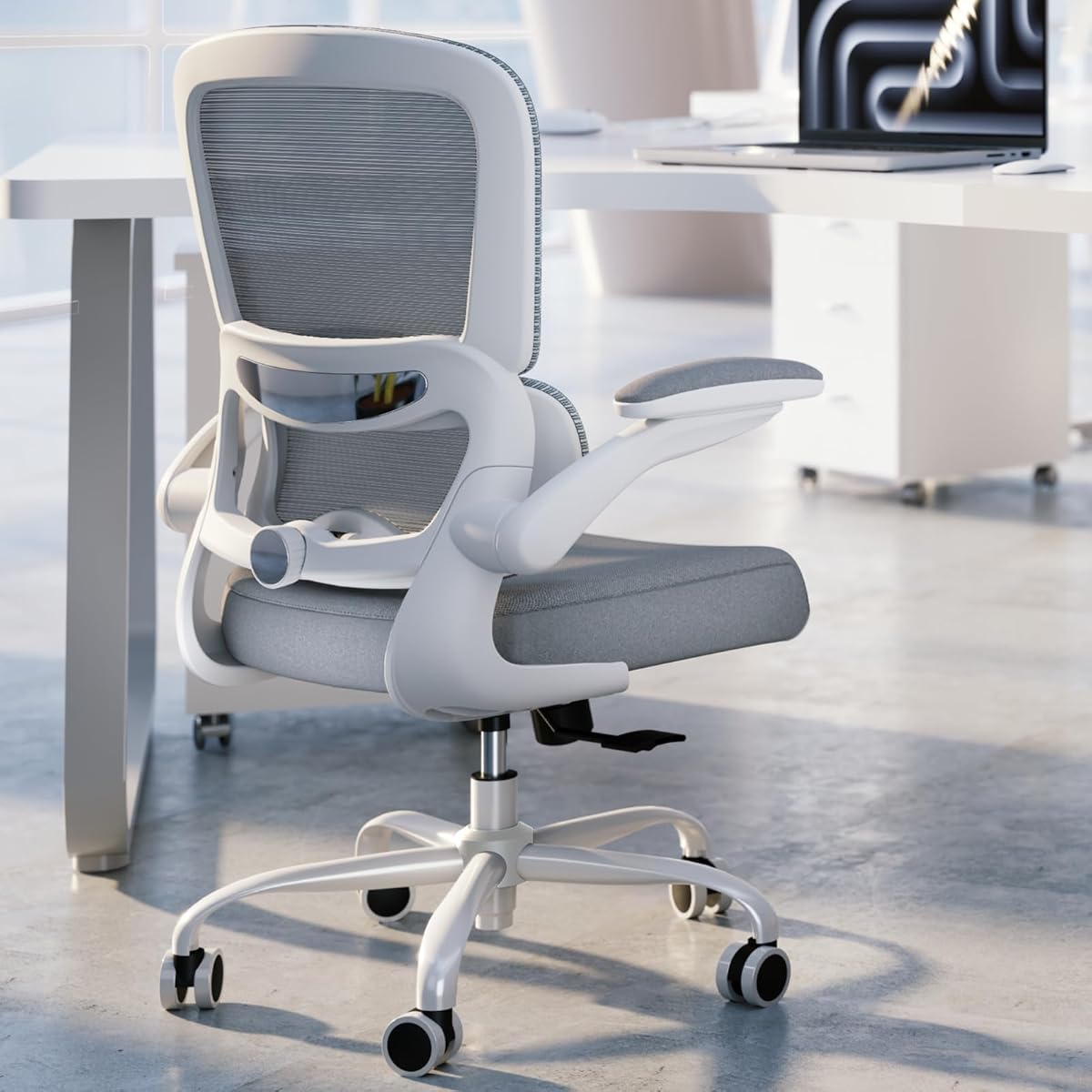
A revolutionary 3D-printed chair made from upcycled food waste and plant-based resins, manufactured on-demand in the USA to eliminate waste.

A luxury, handcrafted pillow made from GOLS-certified organic latex and GOTS-certified organic cotton. This pillow is carbon negative and specifically designed to provide adjustable support for all sleeper types while adhering to the highest environmental standards.

A revolutionary piece of furniture made entirely from recycled plastic waste. Pentatonic leads the circular economy movement with this modular, high-design seating solution.
More on The Anou
What the score looks at
Each 0–100 score is an AI-assisted catalogue assessment with five recorded dimensions, not a fixed-weight calculation or an audit. Brands cannot buy a position, and a missing disclosure limits what can be assessed rather than being assumed positive.
Animal welfare
Third-party cruelty-free and vegan certification, animal-derived inputs, testing policy in every market the brand sells in.
Materials & sourcing
Organic, recycled or regenerative inputs, traceability to farm or mill, deforestation and biodiversity risk.
Labour & human rights
Living-wage commitments, published supplier lists, audit results and remediation, Fair Trade certification.
Packaging & waste
Recycled content, plastic intensity, refill or take-back options, real end-of-life recyclability.
Transparency
Public reporting, verifiable claims, parent-company disclosure and how quickly the brand answers questions.
Reading the score
Leader
80–100
Multiple independent certifications, published supply chain, credible reductions.
Strong
65–79
Solid certified core with one weak pillar, usually packaging or labour disclosure.
Mixed
50–64
Real progress in places, significant gaps elsewhere — read the detail before buying.
Weak
0–49
Little verified evidence, or an ownership structure that contradicts the marketing.
Six checks for any ethical purchase
A ranking gets you to a shortlist; these checks tell you whether a specific product is right for your household. Work through them in order — the first two rule out most greenwashing on their own.
Buying checklist
- Check the certification, not the adjective: a logo from Leaping Bunny, Vegan Society, GOTS, Fair Trade or B Corp is auditable; the words "natural" and "clean" are not.
- Look up the parent company — a certified brand owned by a group that still tests where the law requires it is a different decision than an independent one.
- Read the full ingredient or material list, not the front-of-pack claim; a single animal-derived or high-impact input can undo the rest.
- Prefer refills, concentrates and take-back schemes: packaging is usually the fastest win in this category.
- Compare cost per use rather than shelf price, including dose, refill costs and how long you will actually use the item.
- Buy the thing you will actually finish or wear a hundred times; the lowest-impact purchase is still the one you do not replace.
Is The Anou ethical? FAQs
Is The Anou cruelty-free?+
The Anou does not test on animals and uses no animal testing in its supply chain.
Does The Anou have vegan products?+
The Anou offers some 100% cactus silk or cotton items suitable for vegans, but the wool pouf is not vegan.
What is The Anou's ethics score?+
The Anou averages 94/100 across 1 product we score. Each score is an AI-assisted catalogue assessment of sourcing, labour, environment, animal welfare and transparency, not an audit.
What are the best alternatives to The Anou?+
Higher-scoring alternatives include Hand-Woven Khadi Cotton Blackout Curtains by Charaka, Organic Cotton Waffle Weave Blanket by Coyuchi, Organic Cotton & Sisal Fiber Handwoven Rug by Baba Tree.