Is Trident ethical and cruelty-free?
Not really — Trident fails 2 of the 4 ethics signals we track, including its animal-testing position, and holds no third-party certification we can verify.
Trident, owned by Perfetti Van Melle in the United States, Canada and Europe, is a sugar-free chewing gum brand. While it holds no major certifications for ethical or sustainable practices, it has a broadly neutral record with no major controversies. Currently no Trident products are stocked on this site due to limited verifiable ethical commitments.
The evidence, signal by signal
Cruelty-freeflagged
Mondelēz International states it does not test finished products on animals except where required by law; Trident sold in China may be subject to post-market animal testing.
Vegan optionsunverified
Trident does not label products as vegan; ingredients suggest most are vegan, but gum base may contain animal-derived glycerol, and no vegan certification exists.
Sells in mainland Chinaflagged
Selling through mainland Chinese retail has historically triggered post-market animal testing.
Third-party certifiedunverified
We don't track any of this brand's products yet, so product-level certifications are unchecked.
Scored with our public methodology. Profile last updated 2026-11-02.
Research notes on Trident
Compiled from the brand's own statements and the public sources listed below, last reviewed 2026-11-02. We don't stock Trident products, so nothing here is checked against product records.
Overview
Trident is a globally recognized brand of sugar-free chewing gum, owned in the United States, Canada and Europe by Perfetti Van Melle since 2 October 2023, following its purchase of former owner Mondelēz International’s developed-market gum business; Mondelēz still runs gum in other regions. Trident's official history dates the availability of Original sugarless gum in the United States to 1960, and Perfetti Van Melle says Trident is available in more than 70 countries. Trident’s product line includes traditional gum, soft gum, and whitening gum, all marketed as sugar-free and often containing xylitol for dental health. Despite its mass-market presence, Trident has made only modest public commitments to sustainability or ethical sourcing, and it lacks independent third-party certifications such as Fair Trade, B Corp, or Leaping Bunny. The brand does not publish a dedicated ethics or sustainability report. As a result, Trident ranks low on the ethical spectrum for consumers seeking fully transparent or certified products.
Certifications
Trident does not currently hold any widely recognized ethical certifications. The brand is not certified by B Corp, Fair Trade, Rainforest Alliance, or the Forest Stewardship Council (FSC). There is no evidence of non-GMO Project verification or organic certification on Trident products sold in mainstream markets. The brand’s sugar-free claims are based on the use of artificial sweeteners like aspartame and acesulfame K, which may concern some consumers. The absence of certifications means that Trident cannot be independently verified for ethical or environmental claims.
Animal testing & vegan range
Trident recipes vary by product and market; Canadian Trident Splash Strawberry with Kiwi ingredient lists include gelatin, so the range cannot be assumed vegan. However, the brand does not label itself as vegan or provide a separate vegan product line. The gum base may contain glycerol derived from animal fats, but the source is not disclosed. For consumers with strict vegan or cruelty-free requirements, this lack of transparency is a significant concern.
Sustainability pledges
However, Trident’s gum wrappers are traditionally made from a combination of plastic film and aluminum foil, which are not widely recyclable. Trident has made no public commitments to carbon neutrality, regenerative agriculture, or biodiversity protection.
Sourcing & labor
Trident’s ingredients include gum base, artificial sweeteners, natural and artificial flavors, and softeners. The gum base is typically a synthetic polymer (often petroleum-derived), and the sweeteners are largely produced in chemical plants. Natural flavors, such as peppermint or spearmint oils, may be sourced from agricultural regions. The brand uses palm oil derivatives in some gum bases. The brand does not carry a Fair Trade certification, and no public supplier list is available.
Controversies context
Trident itself has no major recorded controversies. In May 2023, a federal judge dismissed a lawsuit alleging that Mondelēz misled consumers into believing Trident Original Flavor gum contained real mint. No other major scandals have been linked to the brand. Overall, Trident’s ethical profile is best described as low-risk but low-commitment.
Bottom line
Trident is a widely available, affordable chewing gum brand owned by a major multinational. Lacking any significant certifications, a clear vegan label, or a dedicated sustainability plan, it does not meet the standards for recommendation on an ethical product comparison site. The brand does not actively harm vulnerable populations or the environment at a level that would trigger a boycott, but it offers no positive differentiation. Consumers seeking alternatives can compare independently verified certifications, plastic-free gum formulations, packaging and ingredient disclosures.
High-scoring food & nutrition picks to compare
Top-scoring products from other brands in the category Trident sells in. A starting point for comparison, not proof that each one beats Trident.

The gold standard in baby food, offering Demeter-certified biodynamic ingredients that exceed organic standards for soil health and purity.

The gold standard for ethical food production, this coconut oil uses regenerative organic practices and fair trade labor to set a benchmark for corporate responsibility.

Exquisite heirloom Malagasy cocoa produced entirely at the source in Madagascar. This professional-grade bulk trunk supports direct-trade and lemur habitat conservation.

A dairy-free, palm-oil-free alternative to mainstream hazelnut spreads, crafted in Italy with high-quality organic ingredients.
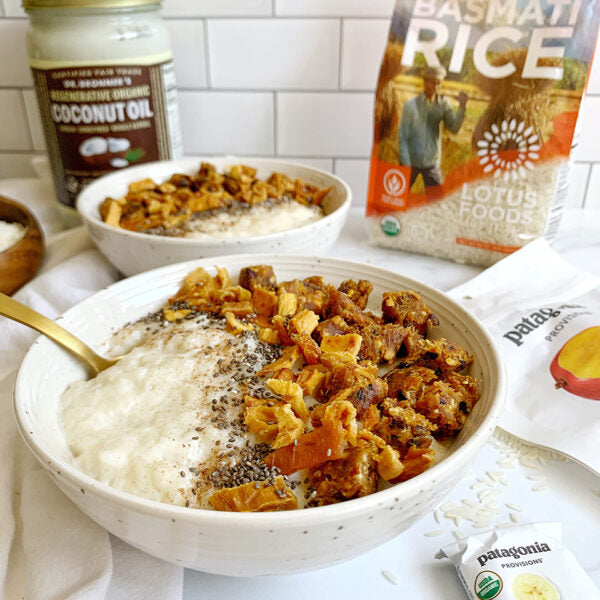
A pioneer in regenerative agriculture, Patagonia Provisions offers a snack that actively restores soil health while ensuring fair compensation for family farmers in Nicaragua.

A nutrient-dense heirloom grain sourced through fully transparent supply chains that support regenerative farming practices in the Peruvian Andes.
More on Trident
Is Trident ethical? FAQs
Is Trident cruelty-free?+
Mondelēz International states it does not test finished products on animals except where required by law; Trident sold in China may be subject to post-market animal testing.
Does Trident have vegan products?+
Trident does not label products as vegan; ingredients suggest most are vegan, but gum base may contain animal-derived glycerol, and no vegan certification exists.
Does Trident sell in mainland China?+
Selling through mainland Chinese retail has historically triggered post-market animal testing.
What is Trident's ethics score?+
We don't score any Trident products yet, so there is no ethics score. The signals above come from the brand profile and the sources listed on this page.
What are the best alternatives to Trident?+
High-scoring food & nutrition products to compare include Biodynamic Veggie & Grain Pouch Variety Pack (24-Pack) by White Leaf Provisions, Dr. Bronner’s Whole Kernel Virgin Coconut Oil by Dr. Bronner's, Luxury Single-Origin Dark Chocolate Professional Collection - 20kg Chef's Trunk by Beyond Good.