Is Will & Bear sustainable?
Broadly yes — Will & Bear averages 93/100 on EthiCompare, and its packaging, sourcing and certification record hold up better than most brands we track. Its stated commitments, per the brand profile we hold: Net-zero carbon by 2030, zero-waste design, and a circular take-back recycling program for used hats.
We read sustainability as verifiable practice, not marketing: third-party certification, packaging design, sourcing disclosure and published, dated targets. Claims without evidence score as unverified.
The evidence behind the answer
Cruelty-freenot independently verified
will & bear does not conduct animal testing on any products or ingredients, and requires all suppliers to comply with a cruelty-free policy.
Third-party certifiedverified
We record 3 distinct certifications across this brand's products.
Scored with our public methodology.
What Will & Bear's products show
Of the 1 Will & Bear product we score, 1 holds at least one sustainability or labour certification on file, and the ethics score is 93/100.
| Product | Organic | Fair labour | Recyclable / compostable | Plastic-free packaging | Relevant certifications | Score |
|---|---|---|---|---|---|---|
| The Eco-Canvas Sun Hat with UPF 50+ | Unverified | Unverified | Unverified | Yes | 1% for the Planet, B Corp, Global Recycled Standard | 93 |
"Yes" means a matching certification, label or material note is recorded for that product; "Unverified" means we hold no evidence either way, not that the answer is no.
How to check this yourself
Sustainability claims are only as good as the evidence behind them. Before you buy:
- Prefer independent certifications with a public register (B Corp, Fair Trade, FSC, GOTS, USDA Organic) over self-declared badges.
- Check whether the claim covers the whole product or one ingredient, and whether packaging is genuinely recyclable where you live.
- Look for dated, measurable targets and progress reports rather than open-ended pledges.
More on Will & Bear
Better-scoring alternatives to Will & Bear

A premium, biodegradable beanie made from seed-to-garment organic cotton under strict fair trade conditions.

A rugged, carbon-neutral backpack made from Fairtrade-certified organic cotton canvas, designed to eliminate plastic waste from the accessories industry.

A fully compostable and vegan watch strap made from apple waste and bio-polymers, offering a sustainable alternative to animal leather and silicone.

Handcrafted in Kenya using a mobile-tech platform to connect independent artisans with global markets, these hoops are a masterpiece of ethical fashion.
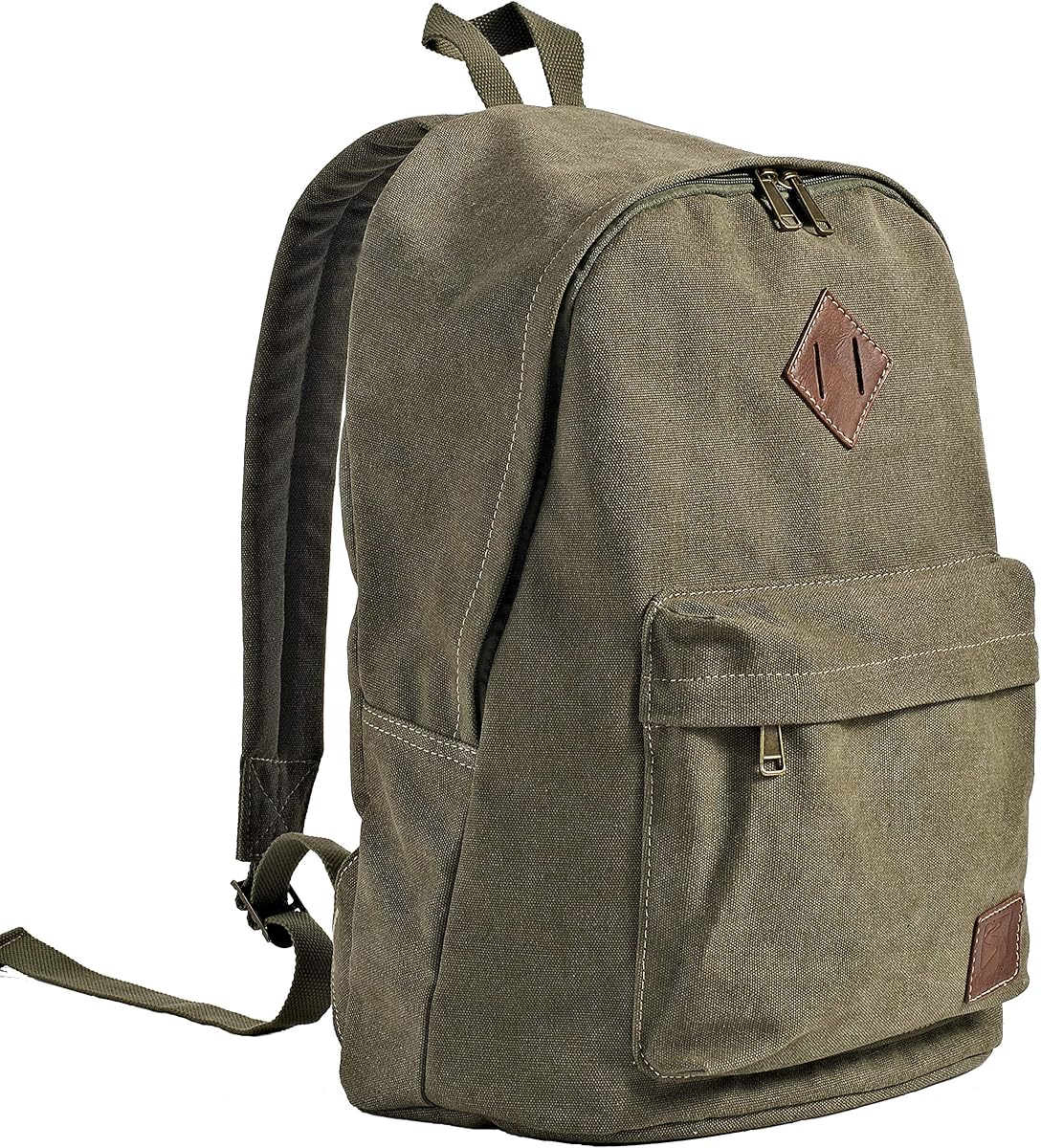
A rugged, carbon-neutral everyday backpack made from GOTS certified organic cotton canvas in a Fair Trade Factory, providing a sustainable alternative to polyester bags.

A stunning hand-stitched scarf made from organic cotton and vintage silk by marginalized women in India.
Will & Bear: frequently asked
Is Will & Bear sustainable?+
Broadly yes — Will & Bear averages 93/100 on EthiCompare, and its packaging, sourcing and certification record hold up better than most brands we track. Its stated commitments, per the brand profile we hold: Net-zero carbon by 2030, zero-waste design, and a circular take-back recycling program for used hats. Of the 1 Will & Bear product we score, 1 holds at least one sustainability or labour certification on file, and the ethics score is 93/100.
Will & Bear: Cruelty-free?+
will & bear does not conduct animal testing on any products or ingredients, and requires all suppliers to comply with a cruelty-free policy.
Will & Bear: Vegan options?+
All will & bear products are 100% vegan — no animal-derived materials (leather, wool, silk) used in hats or bags.
Will & Bear: Third-party certified?+
We record 3 distinct certifications across this brand's products.
What is Will & Bear's ethics score?+
Will & Bear averages 93/100 across 1 product we score on certifications, sourcing, labour, packaging and transparency.