Boody vs Kotn
An independent side-by-side ethics comparison of Boody and Kotn across certifications, average sustainability score and product range.
Boody
88.3/100 avg ethics
3 products tracked
Certifications
Kotn
Higher score92.7/100 avg ethics
3 products tracked
Certifications
Top Boody products
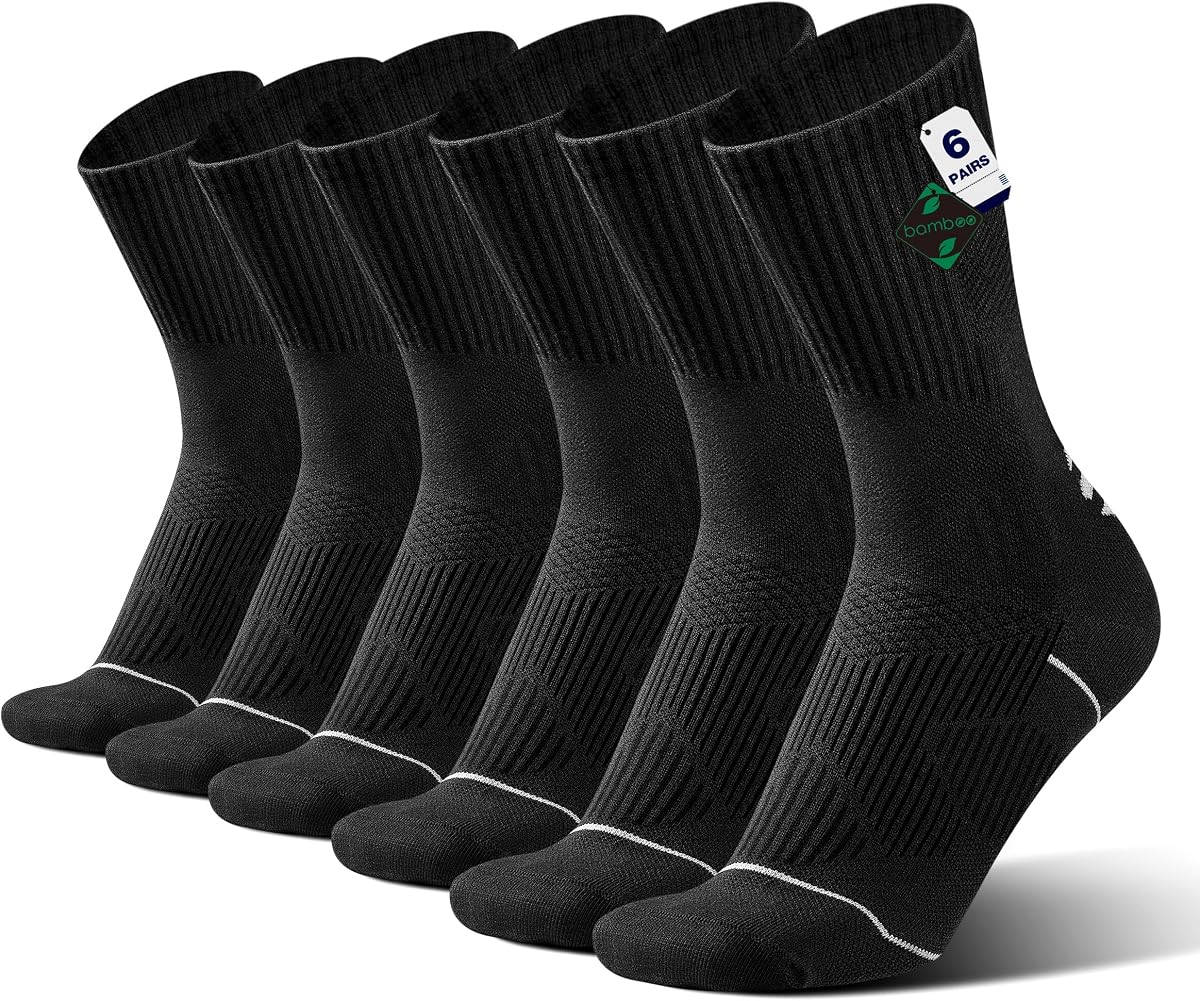
Breathable, moisture-wicking cycling socks made from organically grown bamboo. A viral TikTok favorite for their extreme softness and anti-odor properties.

A dermatologist-approved, breathable nursing cami made from organic cotton and bamboo, designed for sensitive skin and long-term durability in small-space living.
The ultimate viral sock bundle for homeowners. These OEKO-TEX certified bamboo socks are breathable, anti-fungal, and a staple of TikTok 'restock' videos.
Top Kotn products

A premium, high-GSM organic cotton bundle featuring heavy-duty tea towels and dish cloths, ethically manufactured through a transparent Egyptian-to-Eastern European supply chain.

An ultra-soft, breathable toddler lounge set made from authentic, long-staple Egyptian cotton sourced directly from smallholder farmers in the Nile Delta.

Kotn's Regenerative Wool & Tencel Blend Long Coat is a premium investment piece for climate-anxious teens who want a warm, stylish outer layer that actively supports land regeneration. Made in Portugal with traceable wool from farms practicing holistic grazing and Tencel from certified sustainably sourced wood pulp, this coat is plastic-free, biodegradable, and built to last. The relaxed, oversized silhouette and adjustable hood make it perfect for layering over hoodies or turtlenecks, while the deep side pockets keep hands and phone safe. Kotn is a B Corp with transparent supply chain and a commitment to paying living wages at every step.
Frequently asked: Boody vs Kotn
Which is more ethical, Boody or Kotn?+
Kotn scores higher on independent ethics scoring: Boody averages 88.3/100 vs Kotn at 92.7/100.
Which has more certifications?+
Boody appears with 6 verified certifications (OEKO-TEX, EcoCert, PETA Approved Vegan, 1% for the Planet, PETA Approved). Kotn appears with 5 (B Corp, GOTS, PETA Approved, OEKO-TEX, Climate Neutral).
Are these scores independent?+
Yes. Both brands are scored by the same methodology — never paid placement. See our methodology page for the weighting.