Is Sure ethical and cruelty-free?
Not really — Sure fails 2 of the 4 ethics signals we track, including its animal-testing position, and holds no third-party certification we can verify.
Sure, a deodorant and antiperspirant brand owned by Unilever, lacks major ethical certifications but benefits from Unilever's broader sustainability framework. It does not test on animals where required by law, offers some vegan products, and faces no major public controversies, though transparency on sourcing and labor remains limited.
The evidence, signal by signal
Cruelty-freeflagged
Sure does not test on animals where legally required; Unilever has adapted to China's post-market surveillance system but historical animal testing in China may apply to some products.
Vegan optionsunverified
Many Sure deodorants are likely vegan, but the brand does not offer a certified vegan range or label products as vegan.
Sells in mainland Chinaflagged
Selling through mainland Chinese retail has historically triggered post-market animal testing.
Third-party certifiedunverified
We don't track any of this brand's products yet, so product-level certifications are unchecked.
Public pledges: Sure benefits from Unilever's pledges to achieve net-zero emissions by 2030, make all packaging reusable or recyclable by 2025, and source 100% of agricultural raw materials sustainably by 2025.
Scored with our public methodology. Profile last updated 2026-09-16.
Research notes on Sure
Compiled from the brand's own statements and the public sources listed below, last reviewed 2026-09-16. We don't stock Sure products, so nothing here is checked against product records.
Overview
Sure is a well-known deodorant and antiperspirant brand owned by the global consumer goods conglomerate Unilever. First launched in the UK in 1961, Sure has since expanded to various markets worldwide, offering a range of roll-ons, sprays, and sticks. The brand is positioned as a reliable and effective hygiene product for both men and women. As a subsidiary of Unilever, Sure's ethical and environmental policies are largely shaped by the parent company's corporate sustainability agenda, though the brand itself does not hold independent ethical certifications.
Certifications
Sure products are not certified by major third-party ethical labeling organizations such as Fairtrade, Rainforest Alliance, B Corp, or Leaping Bunny. Unilever, as a corporation, participates in the Unilever Sustainable Living Plan and has made commitments to sourcing sustainable palm oil, but these commitments do not extend to specific product-level certifications for the Sure brand. Vegan and cruelty-free certifications are also absent from Sure's packaging, although the brand does not conduct animal testing where prohibited by law.
Animal Testing & Vegan Range
Sure does not test on animals when required by local regulations, particularly in markets like the EU and UK where animal testing for cosmetics is banned. However, Unilever has historically sold products in China, where animal testing was previously mandatory for imported cosmetics. Following regulatory changes, Unilever has transitioned to China's post-market surveillance system, which exempts certain products from pre-market animal testing, but the policy's full consistency across all Sure variants remains unclear. Sure does not label its products as vegan, but many of its deodorants do not contain animal-derived ingredients (e.g., beeswax, lanolin), making them likely suitable for vegans. The brand does not currently offer a certified vegan range.
Sustainability Pledges
Sure benefits from Unilever's broader sustainability commitments, including pledges to reduce plastic waste, improve water efficiency, and achieve net-zero emissions by 2030. Unilever has committed to making all plastic packaging reusable, recyclable, or compostable by 2025, a goal that applies to brands like Sure. The company also participates in the Ellen MacArthur Foundation's New Plastics Economy initiative. However, specific product-level sustainability metrics for Sure are not publicly disclosed, and the brand has not set independent targets for carbon footprint reduction or ingredient sourcing.
Sourcing & Labor
Unilever's supply chain practices are governed by its Responsible Sourcing Policy, which includes guidelines on labor rights, health and safety, and environmental protection. The company has committed to ensuring that 100% of its agricultural raw materials are sourced sustainably by 2025, including palm oil, paper, and soy. Unilever is a member of the Roundtable on Sustainable Palm Oil (RSPO) and has been recognized by the Access to Nutrition Index. However, independent audits of labor practices in Unilever's supply chain, particularly in developing countries, have revealed occasional issues with worker wages and freedom of association. Sure-specific sourcing data is not available.
Controversies Context
No major controversies are directly linked to the Sure brand. Unilever as a whole has faced criticisms regarding plastic waste, water usage, and the environmental impact of its supply chain, but these are systemic issues affecting many large consumer goods companies. Some advocacy groups have questioned Unilever's commitment to deforestation-free palm oil due to ongoing challenges in traceability. Sure has not been the subject of boycotts, lawsuits, or prominent ethical scandals.
Bottom Line
Sure is a conventional deodorant brand with no standout ethical certifications or independent sustainability leadership. Its ethical performance is tied to Unilever's corporate policies, which are relatively robust compared to competitors but not without gaps. Customers seeking cruelty-free, vegan-certified, or independently audited products may find more transparent options elsewhere. For those comfortable with a large corporate owner's general commitments, Sure offers a reasonably standard ethical profile with no major red flags.
Better-scoring alternatives to Sure
Same categories, higher ethics scores, verified certifications.

The ultimate multi-tasker for minimalist hosts; one bottle can wash hands, body, hair, and even dishes.
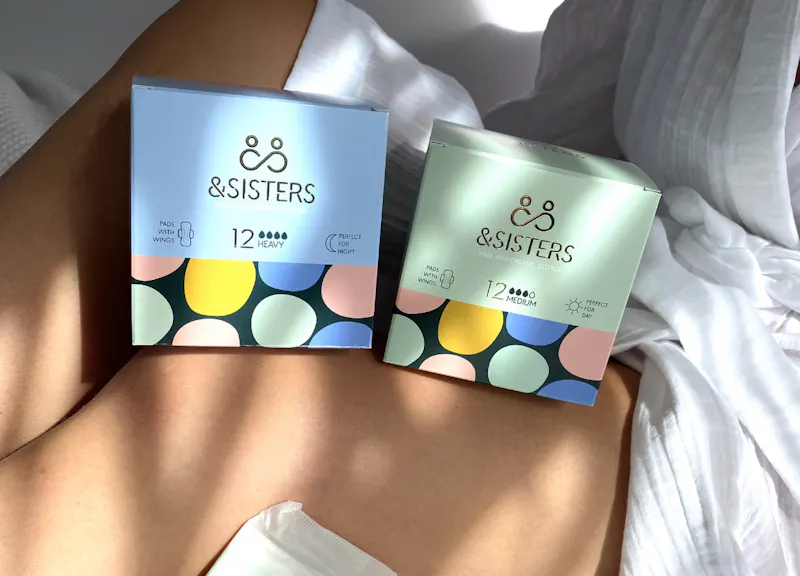
A UK-based, women-owned B Corp offering the highest ethical standard in menstrual care. This bulk 'Sisterhood' bundle features GOTS organic cotton tampons and pads with RSPO-segregated inputs, ensuring zero deforestation.
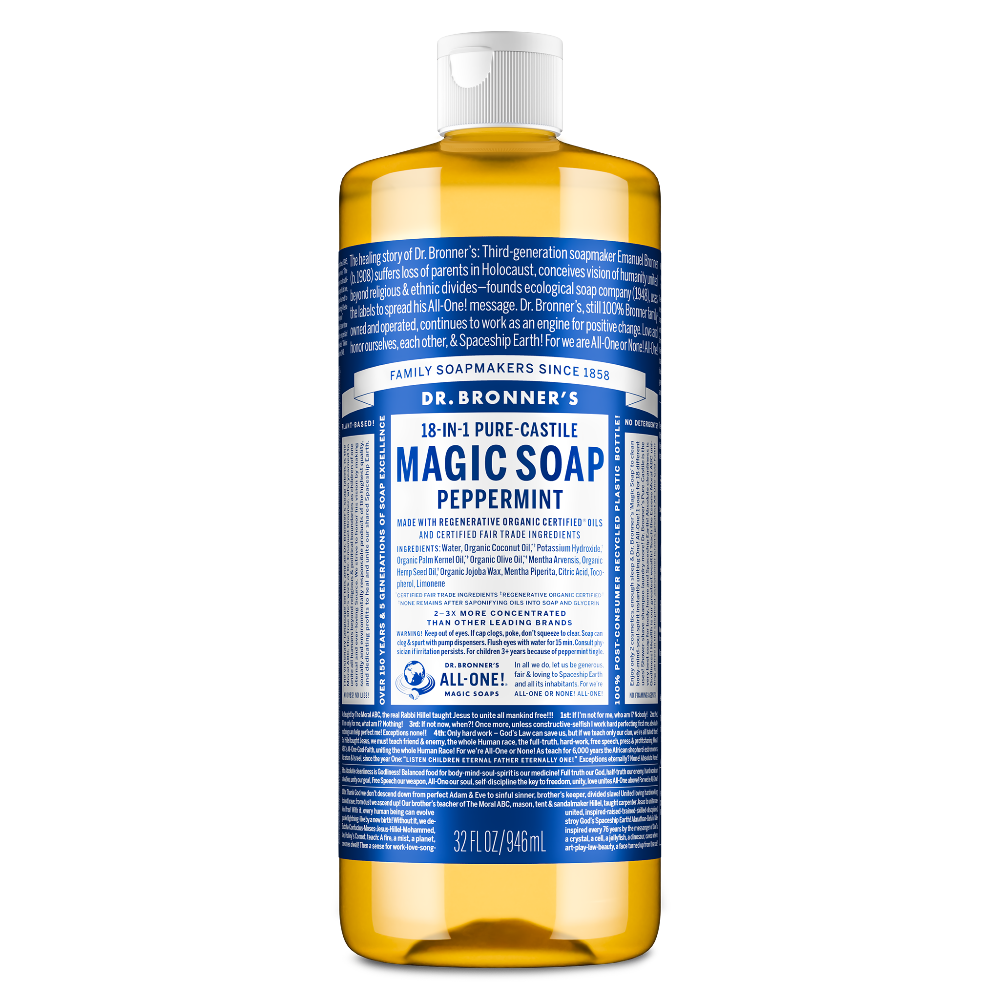
The gold standard of ethical cleaning. A highly concentrated, multi-surface liquid soap made from organic oils and fair trade ingredients in 100% PCR packaging.

The gold standard of ethical soaps, featuring regenerative organic palm oil and a legacy of fair-trade advocacy and radical transparency.
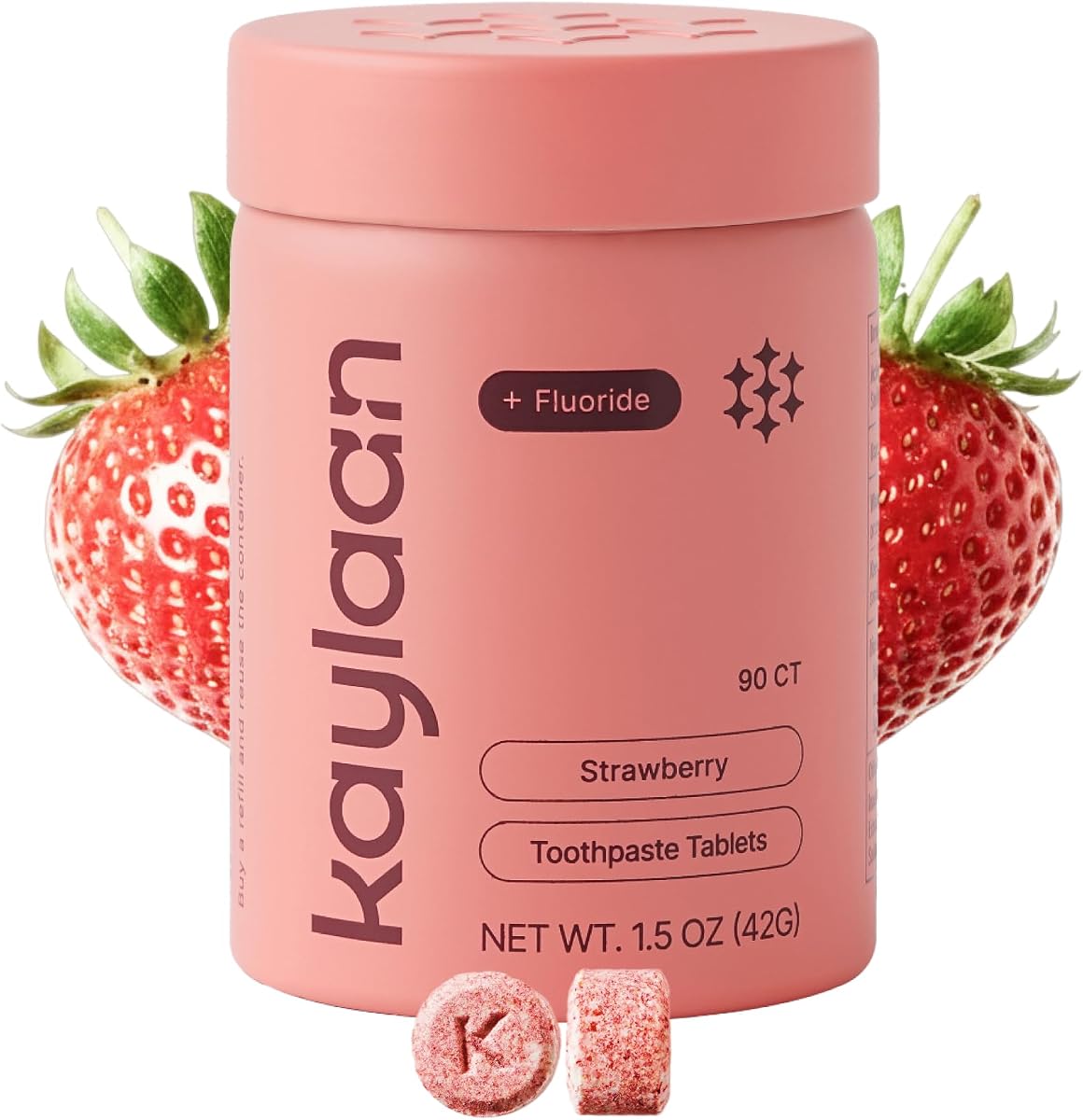
A zero-waste oral care system consisting of fluoride-free tablets in a refillable glass jar, featuring ingredients sourced from ethical Eastern European partners.

A high-potency, carbon-extracted rosehip oil designed specifically for sensitive skin, backed by rigorous B Corp standards and organic agricultural sourcing.
More on Sure
Is Sure ethical? FAQs
Is Sure cruelty-free?+
Sure does not test on animals where legally required; Unilever has adapted to China's post-market surveillance system but historical animal testing in China may apply to some products.
Does Sure have vegan products?+
Many Sure deodorants are likely vegan, but the brand does not offer a certified vegan range or label products as vegan.
Does Sure sell in mainland China?+
Selling through mainland Chinese retail has historically triggered post-market animal testing.
What is Sure's ethics score?+
We don't score any Sure products yet, so there is no ethics score. The signals above come from the brand profile and the sources listed on this page.
What are the best alternatives to Sure?+
Higher-scoring alternatives include Dr. Bronner's 18-in-1 Pure-Castile Soap (Travel Size) by Dr. Bronner's, RSPO-Segregated Organic Intimate Care & Menstrual Set by &SISTERS, Dr. Bronner's Pure-Castile Liquid Soap (Peppermint) by Dr. Bronner's.