Is Wild Planet sustainable?
Broadly yes — Wild Planet averages 87/100 on EthiCompare, and its packaging, sourcing and certification record hold up better than most brands we track. Its stated commitments, per the brand profile we hold: Wild Planet sources only wild-caught fish, uses pole-and-line/troll methods, supports marine conservation via 1% for the Planet.
We read sustainability as verifiable practice, not marketing: third-party certification, packaging design, sourcing disclosure and published, dated targets. Claims without evidence score as unverified.
The evidence behind the answer
Cruelty-freenot independently verified
Wild Planet does not conduct or commission animal testing.
Third-party certifiedverified
We record 4 distinct certifications across this brand's products.
Scored with our public methodology.
What Wild Planet's products show
Of the 2 Wild Planet products we score, 2 hold at least one sustainability or labour certification on file, and ethics scores range from 82 to 92/100.
| Product | Organic | Fair labour | Recyclable / compostable | Plastic-free packaging | Relevant certifications | Score |
|---|---|---|---|---|---|---|
| Wild-Caught Alaskan Pink Salmon (Canned) | Unverified | Unverified | Unverified | Unverified | B Corp, 1% for the Planet | 92 |
| Cascadia Wild Tuna (Canned) | Unverified | Unverified | Unverified | Unverified | 1% for the Planet | 82 |
"Yes" means a matching certification, label or material note is recorded for that product; "Unverified" means we hold no evidence either way, not that the answer is no.
How to check this yourself
Sustainability claims are only as good as the evidence behind them. Before you buy:
- Prefer independent certifications with a public register (B Corp, Fair Trade, FSC, GOTS, USDA Organic) over self-declared badges.
- Check whether the claim covers the whole product or one ingredient, and whether packaging is genuinely recyclable where you live.
- Look for dated, measurable targets and progress reports rather than open-ended pledges.
More on Wild Planet
Better-scoring alternatives to Wild Planet

The gold standard for ethical food production, this coconut oil uses regenerative organic practices and fair trade labor to set a benchmark for corporate responsibility.
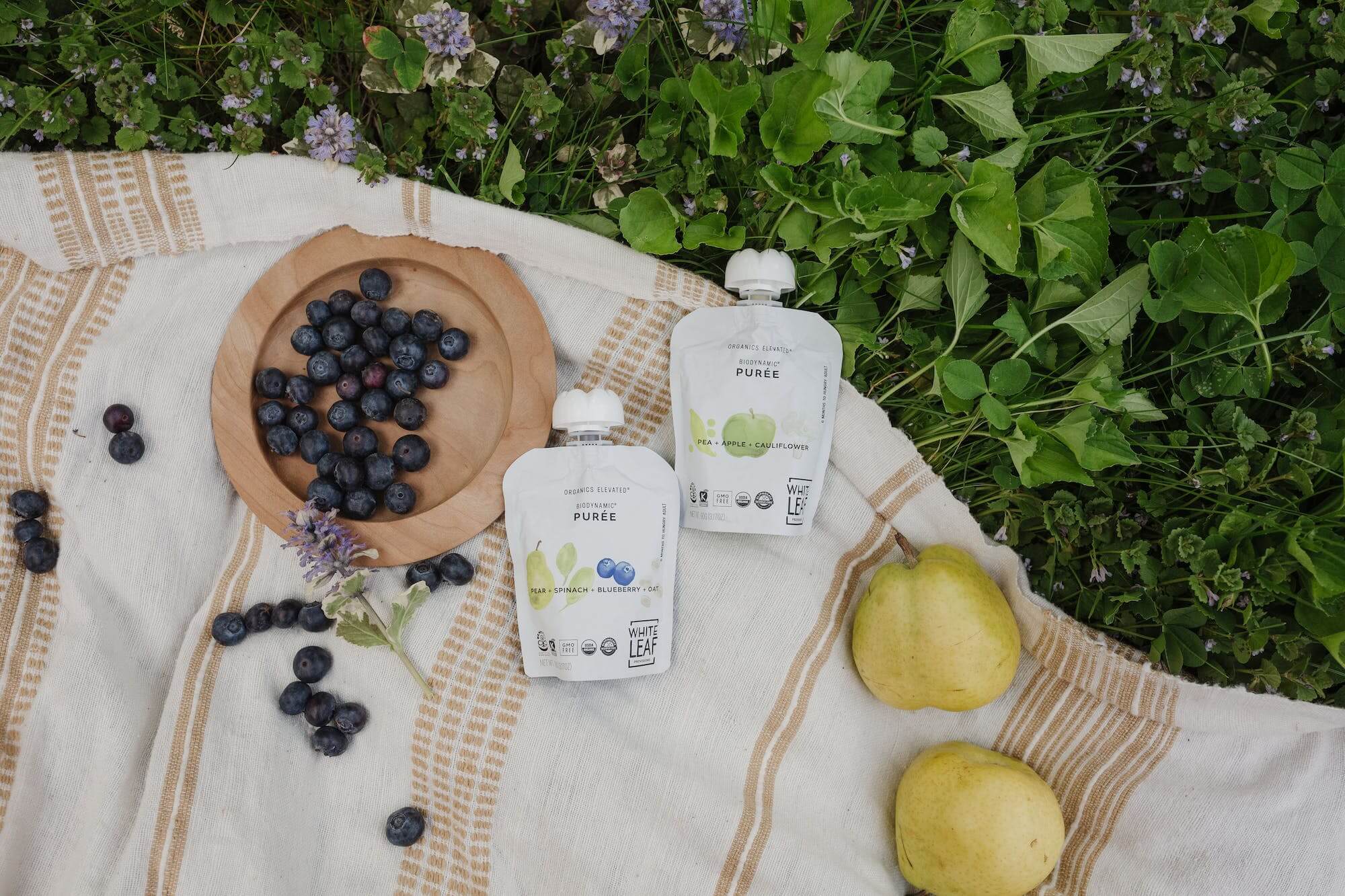
The gold standard in baby food, offering Demeter-certified biodynamic ingredients that exceed organic standards for soil health and purity.

A gold standard in ethical confectionery, combining fair-pay labor practices with regenerative cocoa farming that restores biodiversity in the Ivory Coast and Ghana.
A gold standard in ethical confectionery, using regenerative farming to combat climate change while ensuring living wages for cocoa farmers.

Exquisite heirloom Malagasy cocoa produced entirely at the source in Madagascar. This professional-grade bulk trunk supports direct-trade and lemur habitat conservation.

A nutrient-dense heirloom grain sourced through fully transparent supply chains that support regenerative farming practices in the Peruvian Andes.
Wild Planet: frequently asked
Is Wild Planet sustainable?+
Broadly yes — Wild Planet averages 87/100 on EthiCompare, and its packaging, sourcing and certification record hold up better than most brands we track. Its stated commitments, per the brand profile we hold: Wild Planet sources only wild-caught fish, uses pole-and-line/troll methods, supports marine conservation via 1% for the Planet. Of the 2 Wild Planet products we score, 2 hold at least one sustainability or labour certification on file, and ethics scores range from 82 to 92/100.
Wild Planet: Cruelty-free?+
Wild Planet does not conduct or commission animal testing.
Wild Planet: Vegan options?+
No vegan range; focuses exclusively on wild-caught seafood.
Wild Planet: Third-party certified?+
We record 4 distinct certifications across this brand's products.
What is Wild Planet's ethics score?+
Wild Planet averages 87/100 across 2 products we score on certifications, sourcing, labour, packaging and transparency.