Free tool
Ethical shopping list builder
Tick what you buy regularly. We'll match every item with the highest-scoring ethical product we track.
1. What's on your list?
A shopping plan that avoids unnecessary replacements
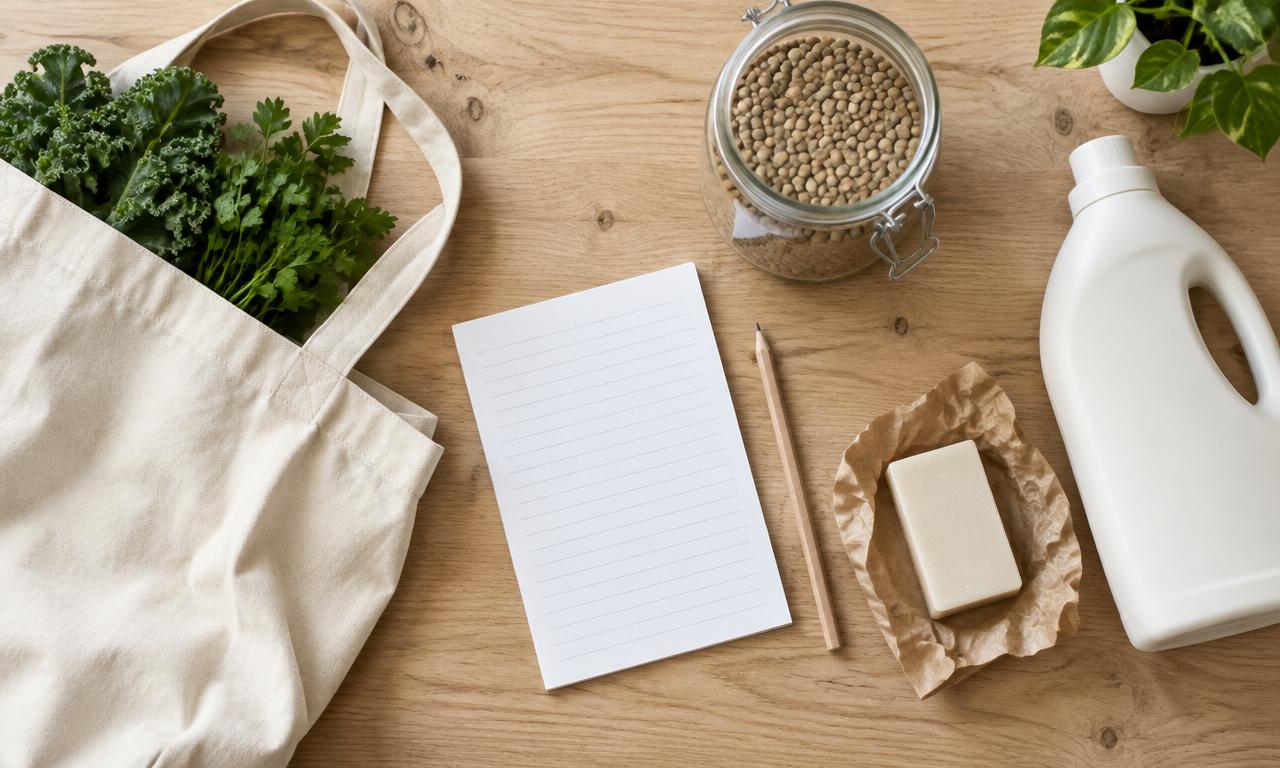
A useful ethical shopping list starts with what is running out, not a catalogue of things to replace. Check cupboards, bathroom shelves and cleaning supplies before adding another purchase. Keeping a working item often avoids the materials, packaging and delivery associated with a new one; it does not require buying a matching set of sustainable-looking products.
Separate essentials from preferences
For each necessary purchase, note the job it must do and any non-negotiable requirement: an allergy, a suitable size, a dietary restriction or a reliable local refill option. A highly scored product is not useful if it cannot meet that requirement. In particular, an animal-free ingredient list and an animal-testing policy answer different questions; neither establishes medical suitability.
Treat a suggested match as a shortlist
The builder searches product-name keywords and returns a matching published record with the highest recorded ethics score. It does not apply your own vegan, cruelty-free, allergy or budget filters. Broad words can return an unexpected product format. Open the product record, compare its purpose with your original need, and confirm the current formula and certification scope with the maker before choosing it.
Compare the cost of the job, not the package
A concentrate, refill or larger container may cost more upfront but provide more uses. Compare price per wash, serving or usable quantity when that information is available, then include delivery and refill travel. Dollar-sign tiers are only approximate; check the seller's current price. The basket's average score is a simple average of available recorded scores, not a calculation of emissions saved or a certification of the whole basket.
| Purchase | Useful comparison | Check before switching |
|---|---|---|
| Detergent | Cost per wash at the recommended dose | Suitable surfaces or fabrics; refill availability |
| Food staples | Cost per edible serving and likely waste | Dietary needs, allergens and storage |
| Clothing | Fit, durability and repair options | Whether an existing item can do the job |
Frequently asked questions
How does the shopping list builder choose products?+
For each selected item, it searches product-name keywords and returns the matching published record with the highest recorded ethics score. These are AI-assisted assessments, not a reproducible fixed-weight formula. The builder does not apply personal vegan, cruelty-free, allergy or budget filters.
How the score worksIs my list saved anywhere?+
No. Your ticks stay in your browser for this visit only — nothing is stored or tied to an account.
What if an item shows no match?+
It means the keyword search found no matching published, scored product. That does not mean a suitable product does not exist. Browse the related category and confirm the exact product's suitability.
Browse best-of hubsDo I have to swap everything at once?+
No — the most sustainable product is the one you already own. Swap each item as it runs out, starting with what you buy most often.
More free tools: see all tools · most ethical brands ranked