Bamboo products
Bamboo toothbrushes, textiles and homeware — when bamboo is genuinely sustainable and when it is greenwashing.
Bamboo grows fast, but processing matters. This hub separates genuinely better bamboo products from marketing claims.
Recommended Bamboo products products

A 100% bamboo-based toilet tissue that combines luxury softness with an industry-leading social mission, donating 50% of profits to global sanitation projects.

An eco-friendly alternative to traditional paper towels, made from 100% bamboo with 50% of profits donated to build toilets in underserved communities.

Sustainable bamboo bandages and cooling strips perfect for a guest-ready first aid kit with a focus on skin sensitivity.

A building kit that lets kids construct a working hydroponic system from recycled plastic and bamboo, teaching plant biology and sustainable agriculture.

A viral favorite on TikTok for 'low-tox' parents, these wipes feature 100% biodegradable bamboo fibers and a 99% purified water formula, perfect for plant-based families avoiding synthetic fragrances.
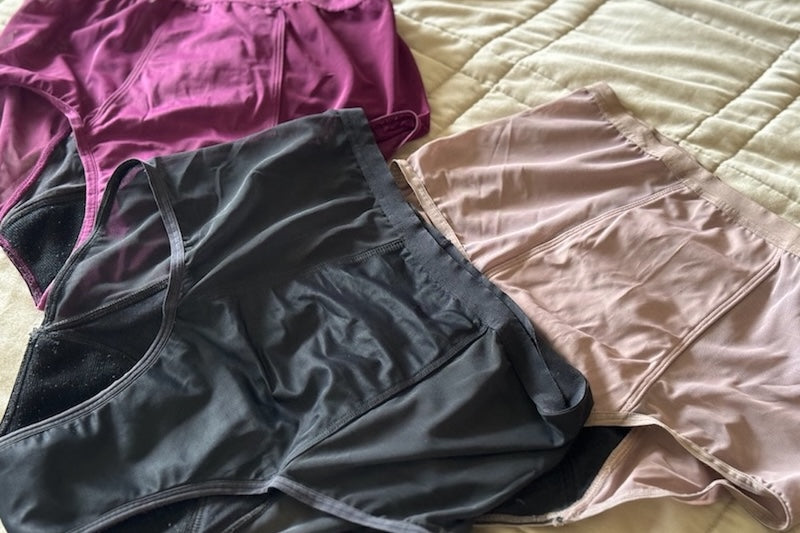
A 3-pack of high-waist period underwear using certified organic cotton and bamboo viscose, designed for pregnancy-safe, leak-proof comfort during menstruation and postpartum. It is an ethical alternative to mainstream period panties that may use synthetic fibers, PFAS finishes, or non-organic cotton.
A plastic-free, forest-friendly toilet paper that donates 50% of its profits to build toilets and improve sanitation in developing countries.

A natural, biodegradable alternative to plastic building blocks, made from sustainable bamboo and compatible with major plastic block brands.
A highly-rated, plastic-free alternative to traditional wood-pulp toilet paper, utilizing fast-growing organic bamboo to reduce deforestation.
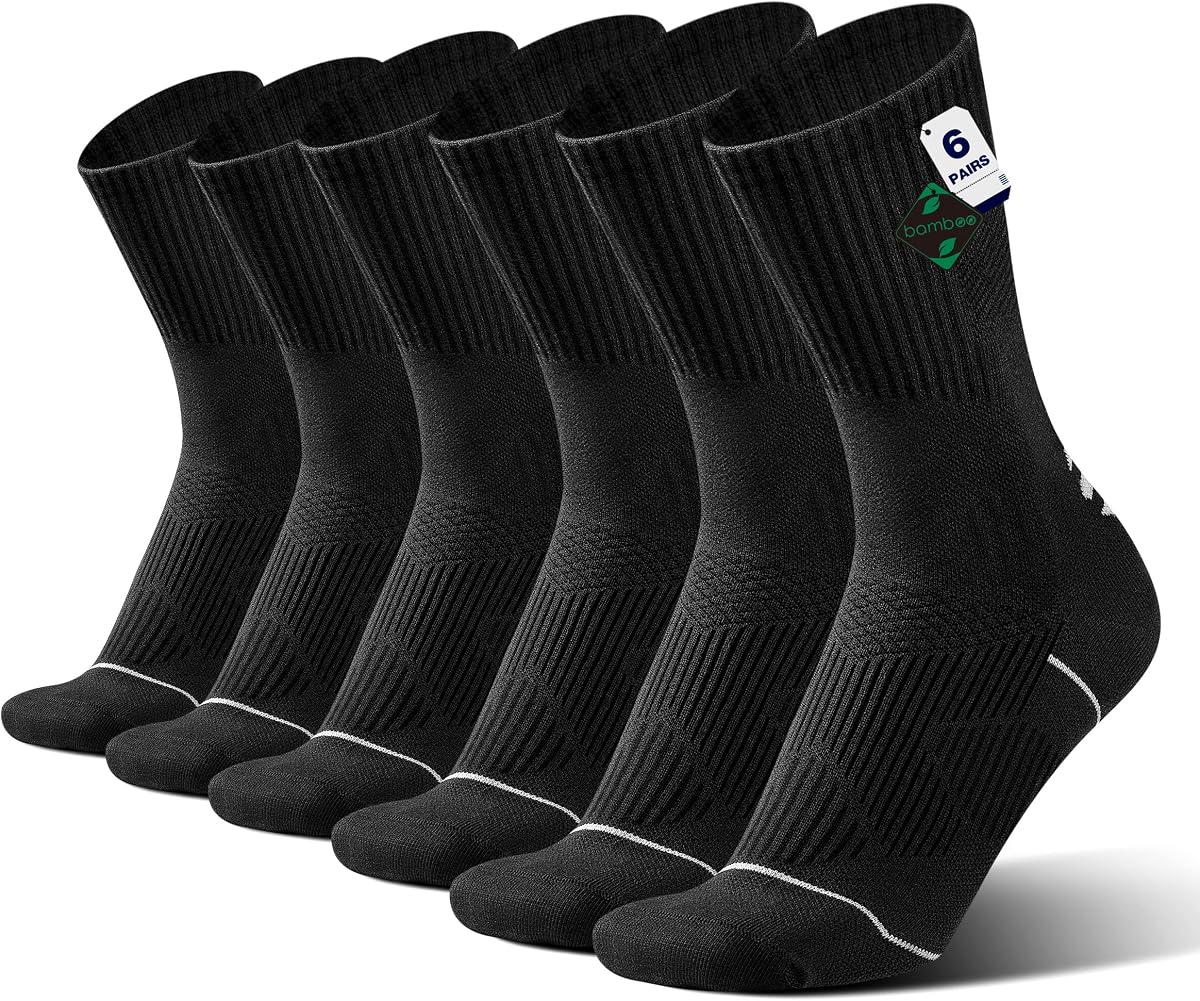
The ultimate viral sock bundle for homeowners. These OEKO-TEX certified bamboo socks are breathable, anti-fungal, and a staple of TikTok 'restock' videos.

Classic round frames reimagined with castor-bean-based bio-acetate and natural wood temples, perfect for the raw-food traveler.

A durable, BPA-free serving bowl from a leading Belgian brand committed to replacing single-use plastics with rapidly renewable bamboo fibers.
Related controversies
Recall of Magnum Ice Cream Due to Plastic and Metal Fragments
In April 2024, Unilever UK issued a precautionary recall for certain batches of Magnum Almond Ice Cream Sticks due to the possible presence of plastic and metal pieces. The Food Standards Agency (FSA) issued an alert stating that the presence of these foreign materials made the product unsafe to eat. The company apologized and worked with retailers to remove the affected products from shelves.
Blueland Joins Legal Challenge Against Microplastic Definitions
Blueland, alongside other brands, supported a formal request to the EPA to tighten the definition of 'polymers' under the Toxic Substances Control Act. The controversy centers on whether the PVA/PVOH film used in laundry pods should be classified as a microplastic, with Blueland advocating for more rigorous oversight of these materials to prevent environmental accumulation.
Greenwashing Complaint Over 'Sustainable' Bamboo Claims
An environmental watchdog group filed a complaint with the Federal Trade Commission (FTC) alleging that Barebones Living's 'eco-friendly' bamboo products were misrepresented, as the bamboo was chemically processed into viscose/rayon with significant environmental harm. The complaint argued the products were marketed as sustainable despite toxic emissions during manufacturing.
Misleading Sustainability Claims
In 2021, Cotopaxi was criticized by environmental groups for marketing its products as 'sustainable' while using synthetic materials (polyester, nylon) derived from fossil fuels. A report from the nonprofit Changing Markets Foundation cited Cotopaxi among brands engaging in greenwashing by overstating their environmental efforts without transparent lifecycle assessments.
Class Action Lawsuit Over Recycled Polyester Claims
In 2021, a class action lawsuit was filed against Girlfriend Collective alleging that their products marketed as made from 100% recycled polyester were misleading because the items contained non-recycled elastane. The complaint argued that the branding and hangtags implied the entire garment was made from recycled materials. The case highlighted concerns over greenwashing in the apparel industry.