Microplastics
Where microplastics hide in everyday products and which alternatives avoid them entirely.
Microplastics shed from synthetic fabrics, cosmetics and packaging. This hub tracks the science and the products designed to avoid them.
Recommended Microplastics products
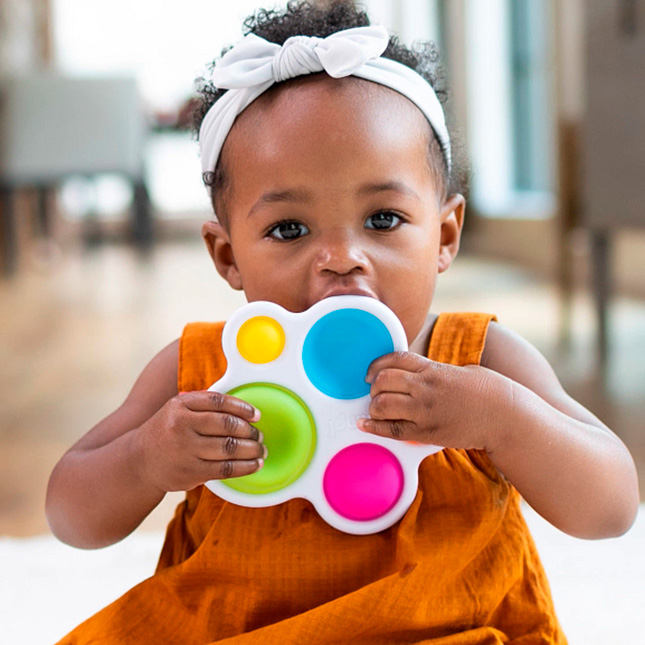
A mass-market baby sensory toy that's wildly popular on Amazon (#1 Best Seller in Baby Toy Bundles) but lacks deep sustainability credentials; uses ABS plastic and silicone in a non-recyclable blister pack.
Related articles
The Truth About Palm Oil and RSPO Certification: A Deep-Dive for 2026
Beyond the headlines: Discover the truth about palm oil, RSPO certification levels, and how to shop ethically without boycotting everything in 2026.
guideThe Truth About Palm Oil and RSPO Certification: A Deep-Dive Guide for 2026
Palm oil isn't the enemy — unsustainable production is. This 2026 guide explains RSPO certification levels, why boycotts backfire, and how to choose truly
Related guides
Skincare Ingredients to Avoid (and Why)
A short list of personal-care ingredients with credible evidence of harm — and the cleaner alternatives that actually work.
7 min read
Plastic-Free Living: A Realistic Checklist
The 20% of swaps that eliminate 80% of household plastic — without buying overpriced 'zero-waste' kits.
6 min read
Ethical Home Cleaning: Concentrates, Refills and What to Skip
Most cleaning products are water in a plastic bottle. A guide to concentrates, safer surfactants, certifications that mean something, and the four products that cover a whole house.
8 min read
Gift ideas on this topic
Related controversies
Lawsuit Over Alleged Misleading '100% Recycled' Claims and Sustainability Marketing
In 2024, a proposed class action lawsuit was filed against Who Gives A Crap in the U.S. alleging that the company's marketing of its toilet paper as '100% recycled' and environmentally superior was false or misleading because the product is packaged in plastic and may not meet consumer expectations of recyclability. The suit claims the company engaged in greenwashing by deceptively promoting its environmental benefits.
Recall of Magnum Ice Cream Due to Plastic and Metal Fragments
In April 2024, Unilever UK issued a precautionary recall for certain batches of Magnum Almond Ice Cream Sticks due to the possible presence of plastic and metal pieces. The Food Standards Agency (FSA) issued an alert stating that the presence of these foreign materials made the product unsafe to eat. The company apologized and worked with retailers to remove the affected products from shelves.
Greenwashing Complaint Regarding Plastic Recycling Claims
In early 2024, a report by environmental organizations highlighted concerns regarding Unilever's use of sachet packaging in Southeast Asia, leading to formal complaints about the company's circular economy claims. Critics argued that Unilever’s marketing of sachet collection schemes as 'recycling' was misleading, given the technical and economic difficulties of processing the multi-layered plastic waste. This led to increased scrutiny from NGOs regarding the brand's plastic reduction targets.
Lawsuit Over 'Natural' Ingredients in CeraVe Products
A class-action lawsuit progressed in 2023 alleging that L'Oréal-owned CeraVe misled consumers by marketing products as having 'natural' benefits while containing synthetic ingredients. The plaintiffs argued that the branding and ingredient lists were contradictory, leading to premium pricing for non-natural products. The litigation highlights ongoing consumer protection risks regarding 'clean beauty' definitions.
Soko Class Action Lawsuit Alleging Misleading 'Clean' and 'Non-Toxic' Claims
In 2023, a class action lawsuit was filed against Soko Glam, the retailer behind the Soko brand, accusing it of falsely marketing products as 'clean', 'non-toxic', and 'free from harmful chemicals' when they allegedly contained ingredients linked to health concerns. The suit claimed consumers paid a premium based on these unsubstantiated claims. The case is ongoing in California federal court.
Blueland Joins Legal Challenge Against Microplastic Definitions
Blueland, alongside other brands, supported a formal request to the EPA to tighten the definition of 'polymers' under the Toxic Substances Control Act. The controversy centers on whether the PVA/PVOH film used in laundry pods should be classified as a microplastic, with Blueland advocating for more rigorous oversight of these materials to prevent environmental accumulation.