Everlane vs Karst
An independent side-by-side ethics comparison of Everlane and Karst across certifications, average sustainability score and product range.
Everlane
79.7/100 avg ethics
20 products tracked
Certifications
Karst
Higher score94/100 avg ethics
4 products tracked
Certifications
Top Everlane products

A highly functional commuter bag made from 100% recycled polyester (derived from 27 plastic bottles) with full factory transparency.
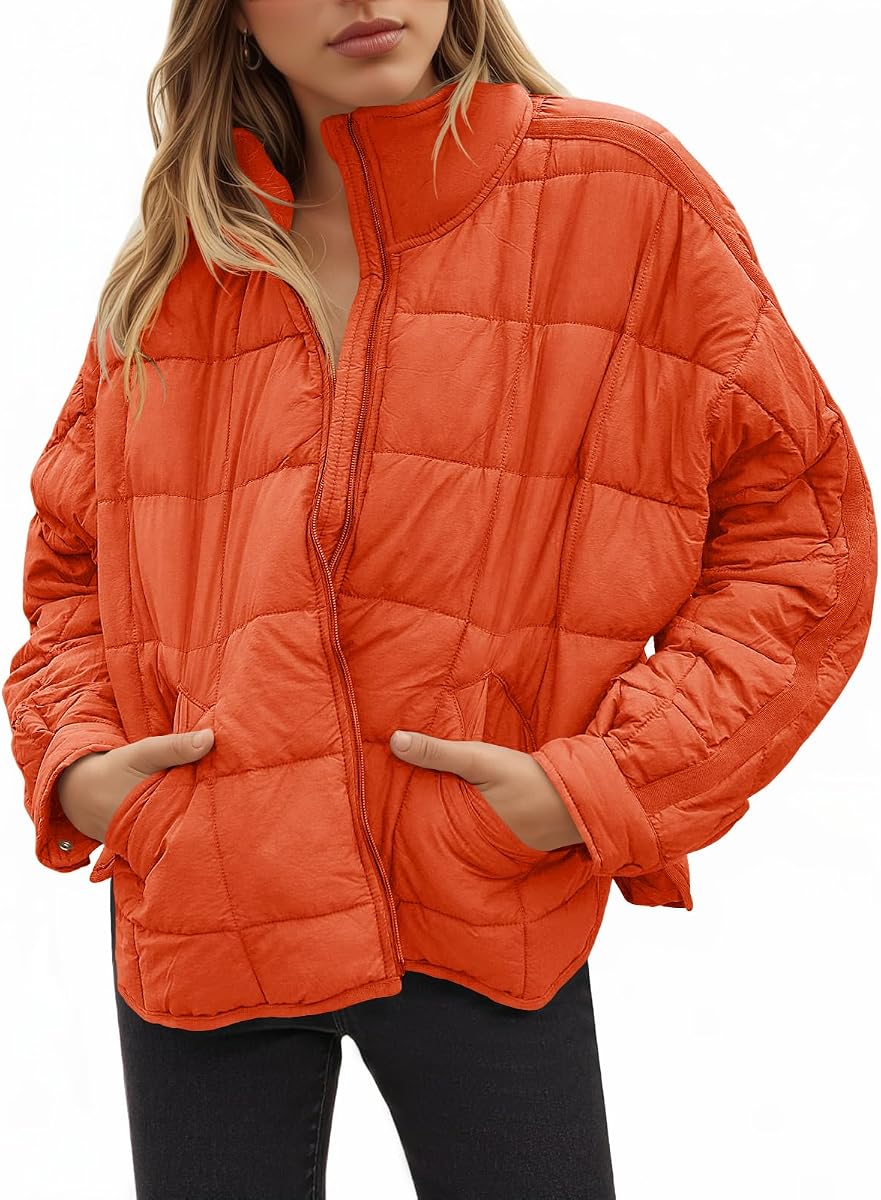
A high-performance winter staple crafted from 100% recycled technical fabrics and reclaimed down insulation. This jacket balances modern aesthetics with a circular manufacturing model that diverts waste from landfills.

A high-performance winter coat made from 100% recycled down and 100% recycled polyester shell, merging modern aesthetics with circular fashion principles.

An oversized, ultra-warm winter parka featuring a 100% recycled technical shell and 100% recycled down insulation diverted from post-consumer waste.

A sophisticated, heavy-weight outerwear staple crafted from premium recycled wool, blending timeless Italian tailoring with modern circular economy principles.

A high-performance winter jacket made from 100% recycled down and a 100% recycled polyester shell. It combines technical warmth with Everlane's Radical Transparency sourcing model.
Top Karst products
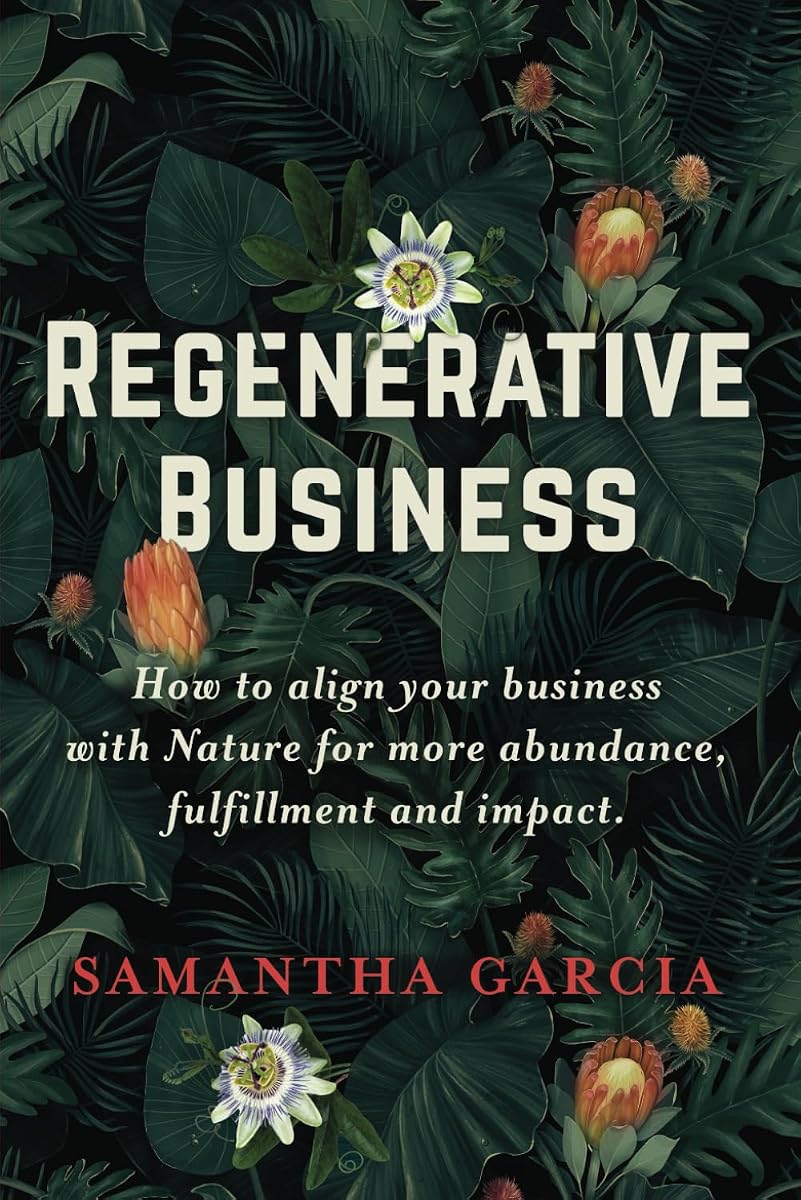
A revolutionary stone-paper planner and almanac that requires zero water and zero trees to produce, perfect for the eco-conscious founder.

Revolutionary 'stone paper' notebooks made without water, trees, or bleach, providing a waterproof and tear-resistant writing surface.

A revolutionary tree-free notebook made from repurposed calcium carbonate (stone) instead of wood pulp, using significantly less water and energy in production.

A revolutionary waterproof notebook made entirely from recycled stone waste instead of trees, utilizing zero water or bleach during production.
Frequently asked: Everlane vs Karst
Which is more ethical, Everlane or Karst?+
Karst scores higher on independent ethics scoring: Everlane averages 79.7/100 vs Karst at 94/100.
Which has more certifications?+
Everlane appears with 10 verified certifications (Global Recycled Standard, Bluesign, Climate Neutral, 1% for the Planet, OEKO-TEX). Karst appears with 5 (B Corp, Climate Neutral, Global Recycled Standard, Cradle to Cradle, 1% for the Planet).
Are these scores independent?+
Yes. Both brands are scored by the same methodology — never paid placement. See our methodology page for the weighting.