Everlane vs Soko
An independent side-by-side ethics comparison of Everlane and Soko across certifications, average sustainability score and product range.
Everlane
78.1/100 avg ethics
15 products tracked
Certifications
Soko
Higher score91.9/100 avg ethics
12 products tracked
Certifications
Top Everlane products

A highly functional commuter bag made from 100% recycled polyester (derived from 27 plastic bottles) with full factory transparency.
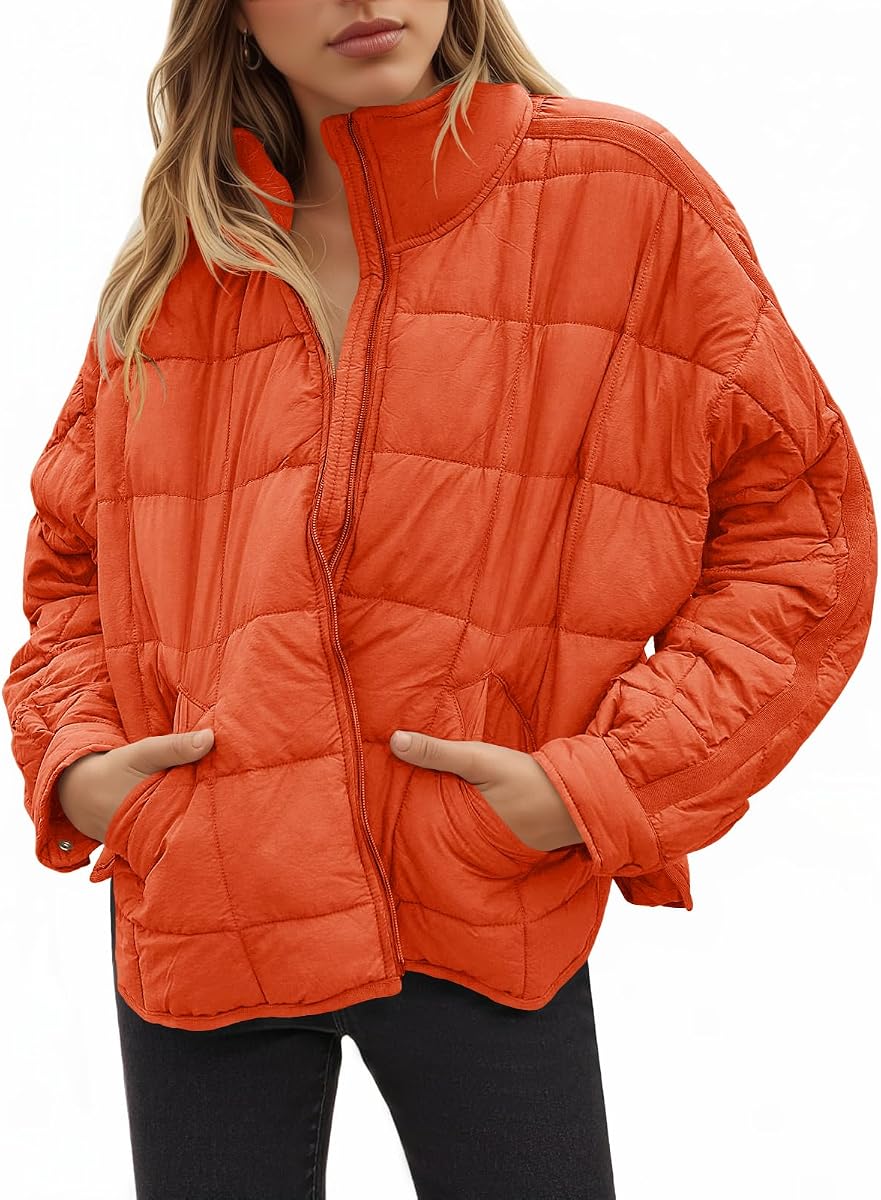
A high-performance winter staple crafted from 100% recycled technical fabrics and reclaimed down insulation. This jacket balances modern aesthetics with a circular manufacturing model that diverts waste from landfills.

A high-performance winter coat made from 100% recycled down and 100% recycled polyester shell, merging modern aesthetics with circular fashion principles.

A high-performance legging made from 82% recycled Italian nylon, offering superior stretch, compression, and sweat-wicking properties.

A staple heavy-weight organic cotton tee produced in high-compliance factories with full cost transparency.

A high-performance winter accessory made from 100% recycled down and 100% recycled polyester. Everlane’s focus on radical transparency provides a detailed look at factory conditions.
Top Soko products

Handcrafted in Kenya using a mobile-tech platform to connect independent artisans with global markets, these hoops are a masterpiece of ethical fashion.

A bold, sculptural bracelet handcrafted by artisans in Kenya using sustainable brass and 'vegetable ivory' tagua nuts.
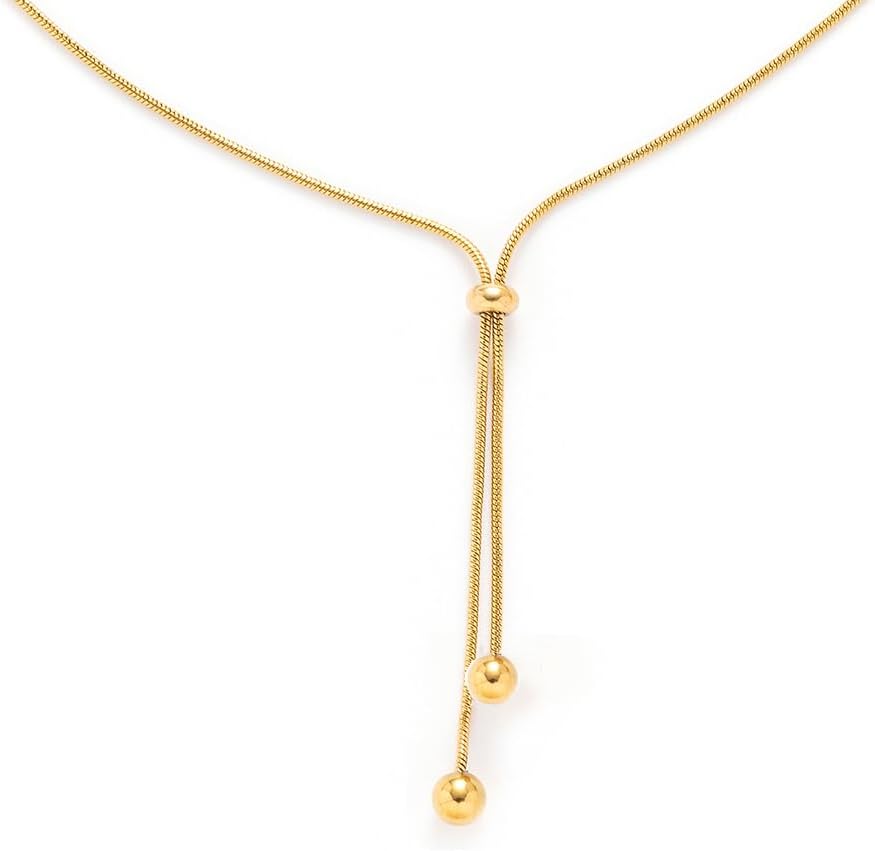
Handcrafted in Kenya by independent artisans using heritage techniques and upcycled brass, this piece represents a revolutionary 'techtical' approach to ethical fashion.

Handcrafted in Kenya using heritage techniques, these recycled brass hoops represent the pinnacle of ethical luxury and supply chain transparency.

Handcrafted by artisans in Kenya using heritage techniques and reclaimed materials. Soko's 'mobile-to-mortar' model ensures fair wages and transparent supply chains for independent creators.

A sophisticated, adjustable statement piece handcrafted by independent artisans in Kenya using recycled brass. Soko combines heritage techniques with modern technology to ensure a transparent, fair-wage supply chain.
Frequently asked: Everlane vs Soko
Which is more ethical, Everlane or Soko?+
Soko scores higher on independent ethics scoring: Everlane averages 78.1/100 vs Soko at 91.9/100.
Which has more certifications?+
Everlane appears with 9 verified certifications (Global Recycled Standard, Bluesign, Climate Neutral, 1% for the Planet, OEKO-TEX). Soko appears with 5 (B Corp, Fair Trade, PETA Approved, 1% for the Planet, Climate Neutral).
Are these scores independent?+
Yes. Both brands are scored by the same methodology — never paid placement. See our methodology page for the weighting.