Meat-free Mondays
Reduce your dietary footprint by going meat-free every Monday for 12 weeks. Meat Free Monday was launched in 2009 by Paul, Mary and Stella McCartney and is now followed by schools, workplaces and households worldwide.
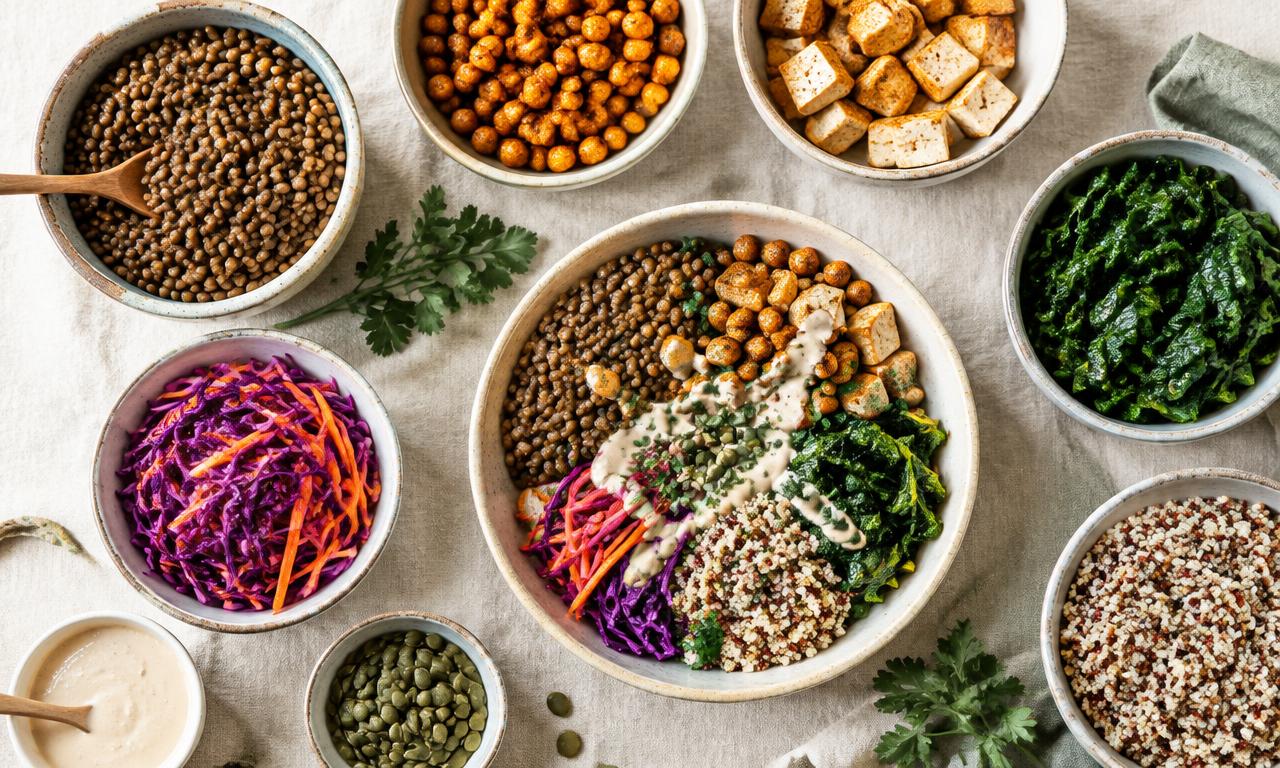
Why this pledge matters
A large 2018 study by Joseph Poore and Thomas Nemecek in Science, covering around 38,700 farms, found that meat, aquaculture, eggs and dairy use about 83% of the world's farmland while providing 37% of protein and 18% of calories. Beef and lamb have by far the highest emissions per kilogram; peas, beans, lentils and tofu are among the lowest.
One meat-free day a week is small enough to keep up and large enough to change habits. Over 12 weeks that is a dozen new meals, a better-stocked pantry and a clearer idea of which plant proteins you actually enjoy.
How it works
- Pick 3 favourite meat-free recipes to rotate.
- Stock the pantry: lentils, beans, tofu, whole grains.
- Track wins with a photo journal (optional).
Your 84-day plan
Weeks 1–4 — Start simple
- Cook familiar dishes with a swap: lentil bolognese, bean chilli, vegetable curry.
- Stock tins of beans and chickpeas, dried lentils, tofu and whole grains.
Weeks 5–8 — Build variety
- Try one new protein each week, such as tempeh, seitan or split peas.
- Batch-cook a Monday meal that covers Tuesday lunch too.
Weeks 9–12 — Make it routine
- Pick your three favourite Monday meals and save the recipes.
- Check iron, B12 and protein sources if you plan to cut meat further.
Common mistakes to avoid
- Replacing meat with lots of cheese. Dairy also has a high footprint; beans, lentils and tofu are the lower-impact swap.
- Relying on heavily processed alternatives every week. They can help, but simple pulses and grains are cheaper and lower impact.
- Skipping protein. Aim for a pulse, soy or whole-grain source in every meat-free meal.
Use these while you do it
Resources
Build a plant-based meal, not just a product swap
Start with a meal you already cook. A vegan label answers an ingredient question; it does not establish nutritional balance, allergy suitability or the footprint of the finished meal.
- 01
Choose a protein source such as beans, lentils, tofu or tempeh, alongside grains and vegetables.
- 02
Check allergens and relevant fortification. Fully vegan diets need a reliable vitamin B12 source; calcium and iodine also deserve attention.
- 03
Compare portions, preparation time and food waste. Use what you have before buying specialist substitutes.
Four labels, four different questions
| Label | What it addresses | What still needs checking |
|---|---|---|
| Vegan | Animal-derived ingredients | Nutrition, allergens and testing policy |
| Plant-based | A plant-focused description | Exact ingredients; no universal threshold |
| Gluten-free | Gluten under the applicable standard | Other allergens and cross-contact advice |
| Palm-oil-free | Absence of palm oil within the claim’s scope | Replacement oil, sourcing and land-use evidence |
General shopping guidance, not a personalised meal plan. Pregnancy, childhood, allergies and medical conditions may need advice from a qualified dietitian.
Meat-free Mondays: questions
Does one meat-free day really make a difference?+
Yes, especially if it replaces beef or lamb. It also builds cooking habits that make further reductions easier.
Is fish allowed on meat-free Mondays?+
The original campaign is vegetarian, so no meat or fish. You can choose a fully plant-based day for the lowest footprint.
Will I get enough protein?+
One meat-free day is easily covered by beans, lentils, chickpeas, tofu, tempeh, nuts and whole grains.