Plastic-free month
You don't have to be perfect. Pick a month — July is the global Plastic Free July challenge — and swap seven single-use items for refillable or bar equivalents.
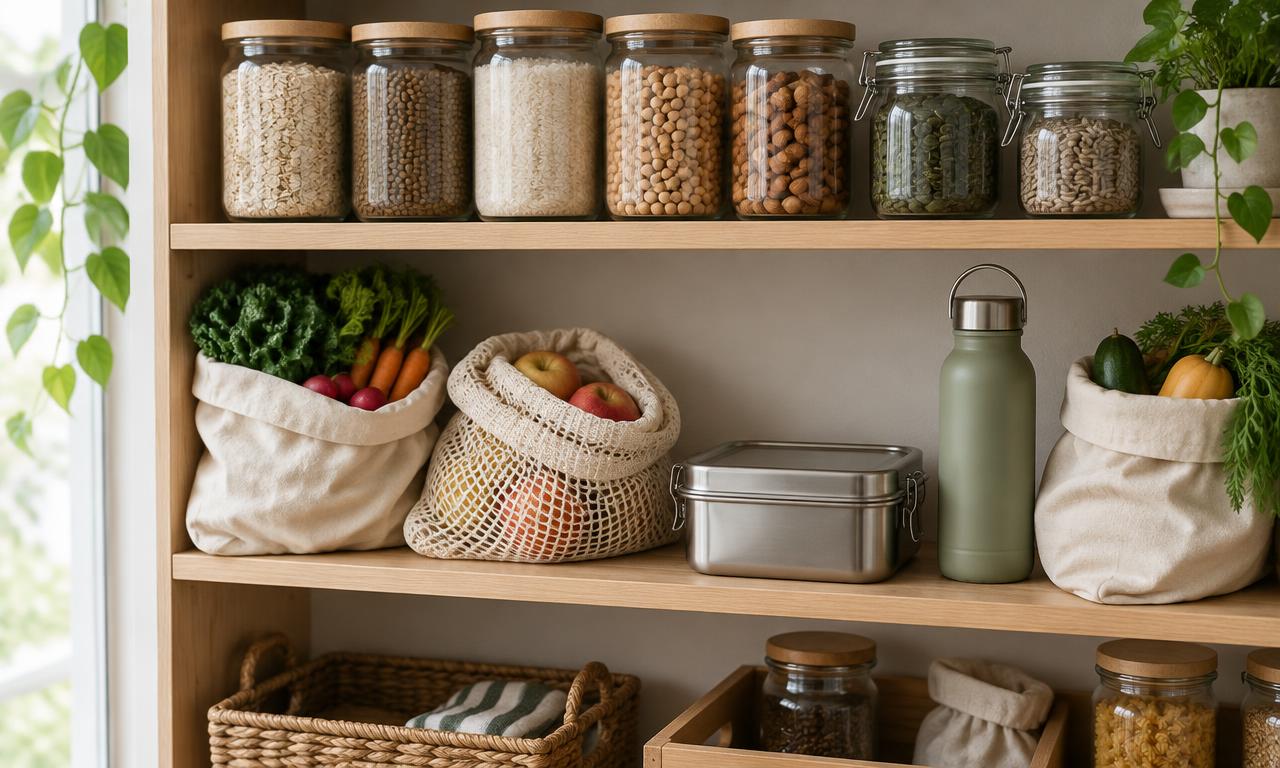
Why this pledge matters
The OECD's Global Plastics Outlook found that only about 9% of plastic waste is recycled worldwide; the rest is burned, landfilled or leaks into the environment. Recycling symbols on packaging do not mean your local service accepts the item.
Most household single-use plastic comes from a handful of everyday items: drinks bottles and cups, bathroom bottles, produce bags, cleaning sprays and disposables such as razors and cutlery. Replacing those with durable or refillable versions cuts the most waste for the least effort.
How it works
- Refillable water bottle & coffee cup.
- Bar shampoo & bar soap.
- Cloth produce bags & bulk-bin containers.
- Refillable cleaner concentrate.
- Bamboo or safety razor.
- Reusable straws & cutlery.
- Menstrual cup or period underwear (if applicable).
Your 30-day plan
Week 1 — On the go
- Carry a bottle and cup every day; note how many disposables you avoided.
- Pack a set of reusable cutlery in your bag.
Week 2 — Bathroom
- Switch to a shampoo bar and bar soap as bottles run out.
- Try a safety razor or a razor with replaceable blades only.
Week 3 — Kitchen and shopping
- Use cloth produce bags and refill containers at bulk stores.
- Swap cling film for reusable food wraps, lidded tubs or a plate over the bowl.
Week 4 — Cleaning
- Buy one concentrate or tablet cleaner and reuse the spray bottle you already own.
- Review the month and keep the swaps that worked.
Common mistakes to avoid
- Buying a new 'eco' version of everything. Reusables only pay off when you use them many times — start with what you already own.
- Trusting 'biodegradable' plastic. Without a named composting standard, it may not break down where it ends up.
- Giving up after one slip. The goal is fewer disposables, not perfection.
Use these while you do it
Resources
Compare the whole cost, not just the price tag
A refill or concentrate is only a useful swap if it works for the same job. Check dose, compatible containers and delivery before comparing prices.
- 01
Match the task and quantity: compare cost per wash, serving or usable item.
- 02
Include the first purchase: a dispenser or reusable container can change the starting cost.
- 03
Check repeat purchases: refill availability, delivery charges and how much you actually finish.
Illustrative prices, not retailer offers. Lower cost does not establish lower environmental impact or better performance.
Plastic-free month: questions
Do I have to do it in July?+
No. Plastic Free July is a popular global challenge, but any month works. Pick one where your routine is predictable.
Which swap cuts the most plastic?+
For most people it is drinks containers and bathroom bottles, because they are bought so often. A refillable bottle and a shampoo bar are good first steps.
Is recycling enough?+
Recycling helps, but only a small share of plastic is actually recycled worldwide. Avoiding and reusing come first.