Palm-oil-free pantry
Palm oil and its derivatives appear under many different names. This pledge helps you audit your pantry, swap three staples first, and choose responsibly sourced palm where avoiding it is not the better option.
Why this pledge matters
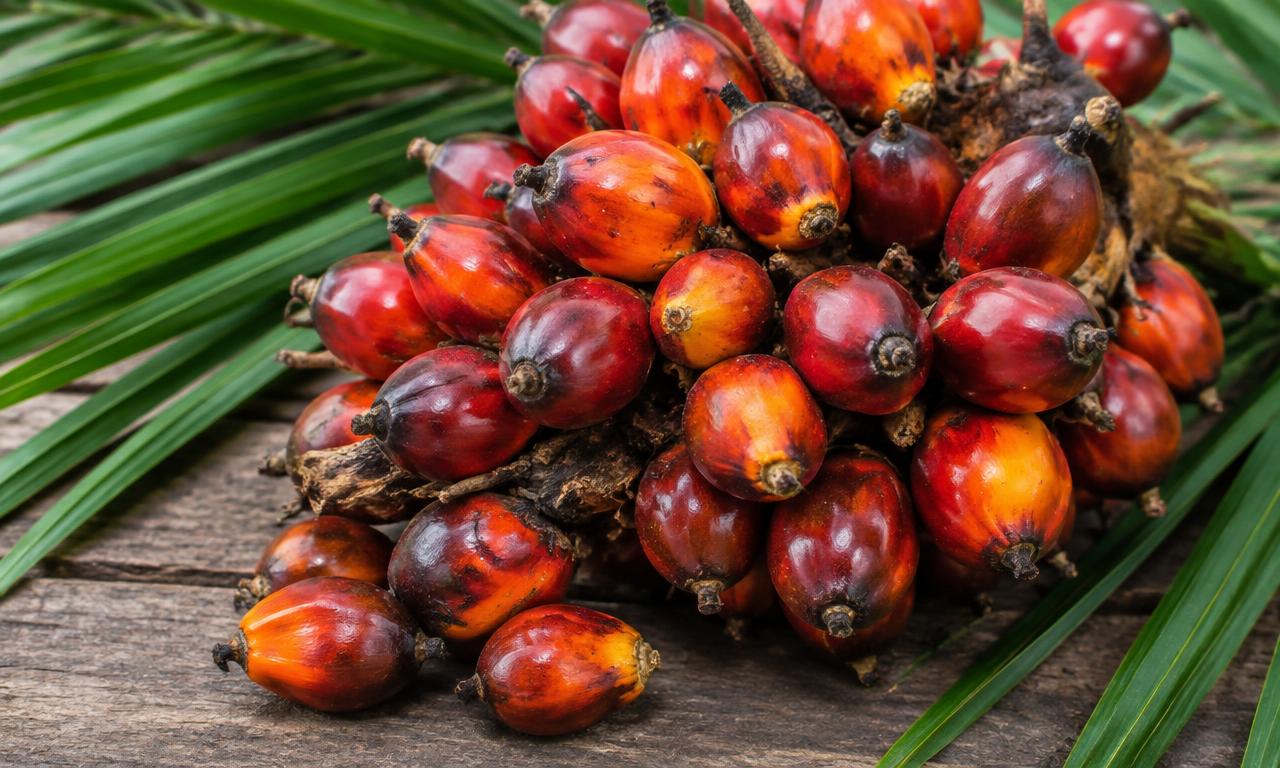
Palm oil is the world's most widely used vegetable oil and turns up in a large share of packaged supermarket products, from biscuits to shampoo. Expansion of oil-palm plantations has been a major driver of tropical deforestation in Southeast Asia, with serious impacts on orangutans, peatlands and local communities.
Avoiding it is not automatically better. Oil palm yields several times more oil per hectare than soy, rapeseed or sunflower, so a straight switch can need more land. The International Union for Conservation of Nature has concluded that sourcing deforestation-free palm is often more effective than boycotting it. This pledge is about removing unnecessary and unverified palm, not chasing zero at any cost.
How it works
- Read labels: in the EU and UK, foods must name the oil, so look for 'palm oil' or 'palm kernel oil'.
- Swap biscuits, chocolate spread and ready snacks — common sources of palm in a typical pantry.
- Where palm is hard to avoid, choose RSPO Identity Preserved or Segregated certified products.
Your 21-day plan
Week 1 — Read every label
- Check your cupboard for 'palm oil', 'palm fat' and 'palm kernel oil' in ingredients.
- In toiletries, note derivatives such as sodium palmate and palmitate, which are usually palm-based.
- Ingredients like glycerin, stearic acid or cetyl alcohol may come from palm or other sources — the label alone cannot tell you.
Week 2 — Swap three staples
- Choose a nut butter made only from nuts and salt.
- Swap one biscuit or snack brand for a palm-free or RSPO-segregated version.
- Try a chocolate spread made with sunflower or nut oils.
Week 3 — Decide your rule
- For products you cannot easily swap, look up the brand's RSPO membership and supply-chain model.
- Prefer Identity Preserved or Segregated over Mass Balance or Book and Claim credits.
- Write down your rule so future shopping is quick.
Common mistakes to avoid
- Treating every 'vegetable oil' as palm. In the EU and UK the specific oil must be named on food labels; elsewhere, check with the brand.
- Swapping to coconut or soy without thinking about land use — those oils have their own deforestation and yield trade-offs.
- Assuming any RSPO logo means deforestation-free. Mass Balance and credit models mix certified and uncertified oil.
Use these while you do it
Resources
Turn a claim into a checkable answer
Keep product ingredients, brand policy and parent-company practices separate. One positive statement does not answer every ethical question.
- 01
Record the exact claim, product and date; identify whether it covers one ingredient, the product or the company.
- 02
Find the original standard or certification directory and check the holder, scope and validity.
- 03
Separate verified evidence, the brand’s own statements and information that remains unknown.
Missing public evidence means unknown, not automatically false. Ask the brand for the current certificate or policy before drawing a conclusion.
Palm-oil-free pantry: questions
Should I avoid all palm oil?+
Not necessarily. Because oil palm is so high-yielding, replacing it can need more land. Avoid unnecessary and unverified palm, and choose RSPO Identity Preserved or Segregated where palm is used.
How do I spot palm oil on labels?+
Foods sold in the EU and UK must name it as palm oil or palm kernel oil. In cosmetics, look for sodium palmate, palmitates and palm kernel derivatives; many other ingredients can come from palm or other plants.
What do the RSPO supply-chain models mean?+
Identity Preserved and Segregated keep certified oil separate from uncertified oil. Mass Balance mixes them in the supply chain, and Book and Claim uses credits that do not trace the physical oil.