Plastic-free living
Products, guides and articles that help you cut single-use plastic from every room — from shampoo bars and refillable cleaning to plastic-free food storage.
Plastic-free living starts with the handful of items you use every day. This hub gathers our top-scoring plastic-free products, the guides that explain which swaps actually matter, and the latest articles on packaging and microplastics.
Recommended Plastic-free living products

A premium, biodegradable beanie made from seed-to-garment organic cotton under strict fair trade conditions.

A masterpieces of sustainable wooden design, this fire station is crafted from PlanWood and reclaimed rubberwood, utilizing a zero-waste production process.

A revolutionary compostable alternative to styrofoam coolers, made from hemp hurdles and mushroom mycelium. Perfect for sustainable camping and outdoor events.

A powerful multi-surface cleaner featuring traditional indigenous botanicals, packaged in a refillable glass system to eliminate single-use plastics.
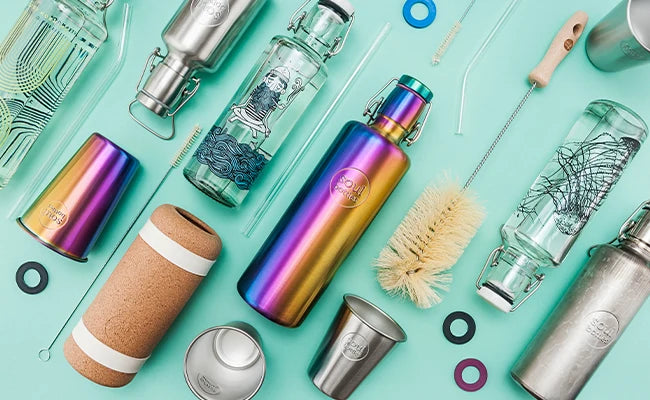
A 100% plastic-free, carbon-neutral glass bottle made in Germany, featuring stunning artist-designed motifs and a swing-top closure.

A carbon-neutral gym duffel made from heavy-duty organic cotton canvas in a Fair Trade Certified factory—the ultimate plastic-free carryall.

A zero-waste, 100% plastic-free notebook designed for complete recyclability without the plastic film or industrial glues found in standard stationery.

A 100% bamboo-based toilet tissue that combines luxury softness with an industry-leading social mission, donating 50% of profits to global sanitation projects.

A radical departure from vinyl-wrapped binders, this 100% plastic-free, recyclable binder is made from FSC-certified paperboard and steel, designed to be fully circular at the end of its life.

A fully recyclable, plastic-free notebook designed for a circular economy, featuring 100% post-consumer waste paper and a zero-waste manufacturing process.

A world-renowned sustainable pull toy made from kiln-dried chemical-free rubberwood and non-toxic dyes.

A high-volume, subscribe-and-save staple for home offices, featuring 100% post-consumer waste paper and recycle-compatible adhesive.
Related articles
The Pantry Reset: 6 Refills & Concentrates That Slashed My 2026 Kitchen Waste by 73% (No, Really)
We tested Dr. Bronner's whole kernel coconut oil, Pachamama coffee, and more to find the best refillable, concentrated, and bar-format pantry staples for 2026. See which picks cut packaging and boosted nutrition.
roundup12 Gifts That Won’t Be Tossed by February: The 2026 Beauty & Personal Care Guide for Birthdays, Holidays & Every Occasion in Between
From birthday to bridal shower, discover 12 sustainable beauty & personal care gifts that earn repeat love. Organic, fair-trade, plastic-free picks for every occasion in 2026.
roundup26 Square Feet, Zero Compromise: The 2026 Small-Space & Apartment Gift Guide for Renters, Dorm Dwellers & Minimalist Urbanites
26 thoughtful, space-saving gifts for small apartments and dorms in 2026. From hand-woven soap savers to regenerative chocolate, all under $50 and ethically sourced.
roundup8 Home & Cleaning Essentials That Won't Die in 2026: The Repair-Friendly Edit for People Who Hate Landfills
We tested 8 home and cleaning products built to last. From Dr. Bronner's concentrate refills to Sister Sage's Indigenous-sourced kits, these picks offer real repair programs, lifetime warranties, and spare parts. Your 2026 guide to buying better, fixing often, and trashing less.
roundupThe End of E-Waste Envelopes: 6 Tech Innovations Shipping in 100% Fiber-Based Packaging for 2026
Discover the 2026 leaders in plastic-free tech packaging. Our guide covers modular smartphones and gadgets shipping in 100% compostable and fiber-based boxes.
comparisonRegenerative Beans vs. Reusable Cotton: Can Your Kitchen Routine Combat Habitat Loss in 2026?
A 2026 comparison of Equal Exchange Fair Trade Organic Coffee and Marley's Monsters Unpaper Towels through the lens of animal welfare and habitat preservation.
Related guides
Plastic-Free Living: A Realistic Checklist
The 20% of swaps that eliminate 80% of household plastic — without buying overpriced 'zero-waste' kits.
6 min read
Ethical Home Cleaning: Concentrates, Refills and What to Skip
Most cleaning products are water in a plastic bottle. A guide to concentrates, safer surfactants, certifications that mean something, and the four products that cover a whole house.
8 min read
The Zero-Waste Kitchen Starter Guide
A low-cost, no-kit approach to cutting kitchen waste: storage that actually extends shelf life, a use-it-up system, and the swaps worth paying for.
7 min read
Gift ideas on this topic
Related controversies
Lawsuit Over Alleged Misleading '100% Recycled' Claims and Sustainability Marketing
In 2024, a proposed class action lawsuit was filed against Who Gives A Crap in the U.S. alleging that the company's marketing of its toilet paper as '100% recycled' and environmentally superior was false or misleading because the product is packaged in plastic and may not meet consumer expectations of recyclability. The suit claims the company engaged in greenwashing by deceptively promoting its environmental benefits.
Recall of Magnum Ice Cream Due to Plastic and Metal Fragments
In April 2024, Unilever UK issued a precautionary recall for certain batches of Magnum Almond Ice Cream Sticks due to the possible presence of plastic and metal pieces. The Food Standards Agency (FSA) issued an alert stating that the presence of these foreign materials made the product unsafe to eat. The company apologized and worked with retailers to remove the affected products from shelves.
Greenwashing Complaint Regarding Plastic Recycling Claims
In early 2024, a report by environmental organizations highlighted concerns regarding Unilever's use of sachet packaging in Southeast Asia, leading to formal complaints about the company's circular economy claims. Critics argued that Unilever’s marketing of sachet collection schemes as 'recycling' was misleading, given the technical and economic difficulties of processing the multi-layered plastic waste. This led to increased scrutiny from NGOs regarding the brand's plastic reduction targets.
Blueland Joins Legal Challenge Against Microplastic Definitions
Blueland, alongside other brands, supported a formal request to the EPA to tighten the definition of 'polymers' under the Toxic Substances Control Act. The controversy centers on whether the PVA/PVOH film used in laundry pods should be classified as a microplastic, with Blueland advocating for more rigorous oversight of these materials to prevent environmental accumulation.
Plastic pollution audit — top-5 global polluter
Break Free From Plastic's annual brand audit repeatedly ranks Unilever among the top branded plastic polluters globally.
Laundry Pod Plastic Dissolvability Dispute
Blueland has been a primary vocal proponent in a campaign claiming that Polyvinyl Alcohol (PVA) used in competing laundry pods does not fully biodegrade in wastewater treatment plants, contributing to plastic pollution. While not a lawsuit against Blueland, the brand is at the center of this industry-wide scientific controversy regarding the greenwashing of 'dissolvable' plastics.