Who owns Garnier?
Garnier is owned by L'Oréal, which has held the brand since 1965. Leaping Bunny approved since 2021, ahead of most of its parent's portfolio.
Ownership sourceThe recorded ownership relationship
Parent company
L'Oréal
Consumer brand
Garnier
Product-level checks
Formula, sourcing and certificate scope must be checked separately.
Ownership, certification and product ethics are different layers
Ownership tells you which business controls or holds a stake in a brand. It can matter when deciding whose business you want to support, but it is not a shortcut to the ethics of every product. A parent company, a consumer-facing brand and a particular formula can have different policies, certification scopes and sourcing arrangements. Read those layers separately before combining them into a purchase decision.
Check whether an acquisition actually completed
An announcement of a proposed purchase is not the same as a completed transaction. Look for a completion statement, a current official brand directory or a recent annual report. Distinguish full ownership from a minority stake, licensing agreement, distribution partnership or joint venture. Regional ownership can also differ. The acquisition year recorded here does not demonstrate that the relationship remains unchanged today.
Read certificates at their stated scope
A parent-level concern does not automatically invalidate a subsidiary's current certificate, and a subsidiary's certificate does not automatically cover its parent or sister brands. Some schemes certify legal entities; others assess products, materials or defined operations. Check the scheme's current record and the exact named entity rather than relying on a logo or assuming that all brands in a group follow the same animal-testing or sourcing policy.
Make your purchasing rule explicit
Some shoppers require both a qualifying product and an acceptable parent company; others prioritize product-level evidence. Either approach needs a clear rule. Buying a subsidiary's product generally contributes to that business's sales and can benefit its owner, but the group does not necessarily receive every unit of revenue as profit. Consider what is documented about the ownership relationship rather than estimating an unsupported share of your purchase price.
| Evidence | Useful for | Important limit |
|---|---|---|
| Current company portfolio | Identifying brands listed by a group | May omit stakes, regional rights or recent changes |
| Acquisition completion notice | Confirming a transaction and date | Does not rule out a later sale |
| Scheme directory | Checking the named certified entity | Does not extend automatically to sister brands |
Ownership at a glance
L'Oréal's ethics record
L'Oréal funds alternative-testing research and its Garnier brand is Leaping Bunny approved, but the group is not cruelty-free overall because it sells in markets where post-market animal testing can be required.
Other brands L'Oréal owns
Category products to compare with Garnier
High-scoring beauty & personal care records from other brands to investigate. This list does not establish independent ownership or a higher score than Garnier; confirm ownership, suitability and current claims separately.
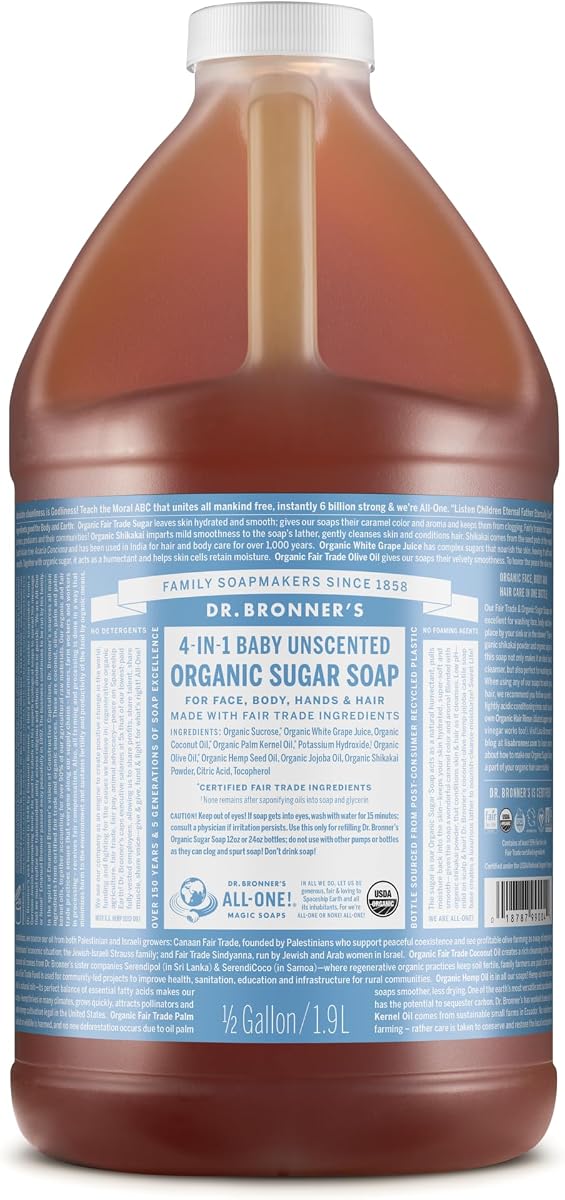
A multi-use, fair-trade organic soap that is gentle enough for pets yet effective at removing grime and odors.
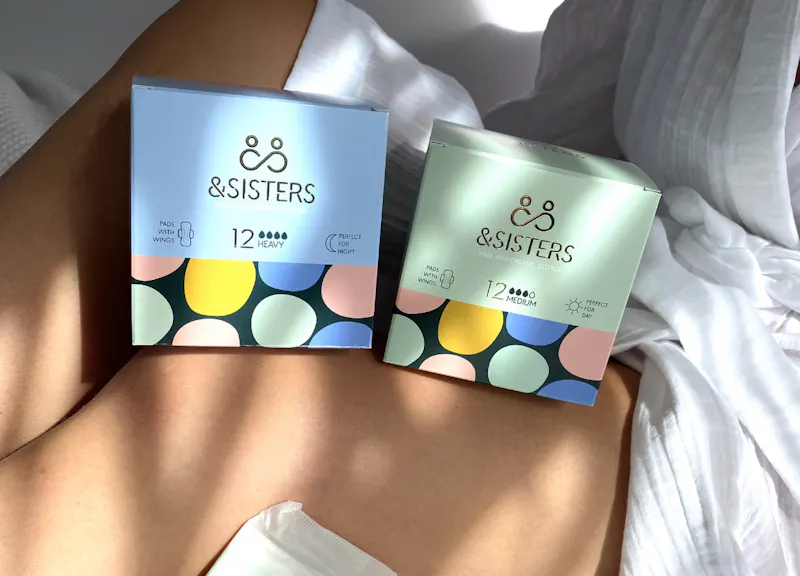
A UK-based, women-owned B Corp offering the highest ethical standard in menstrual care. This bulk 'Sisterhood' bundle features GOTS organic cotton tampons and pads with RSPO-segregated inputs, ensuring zero deforestation.
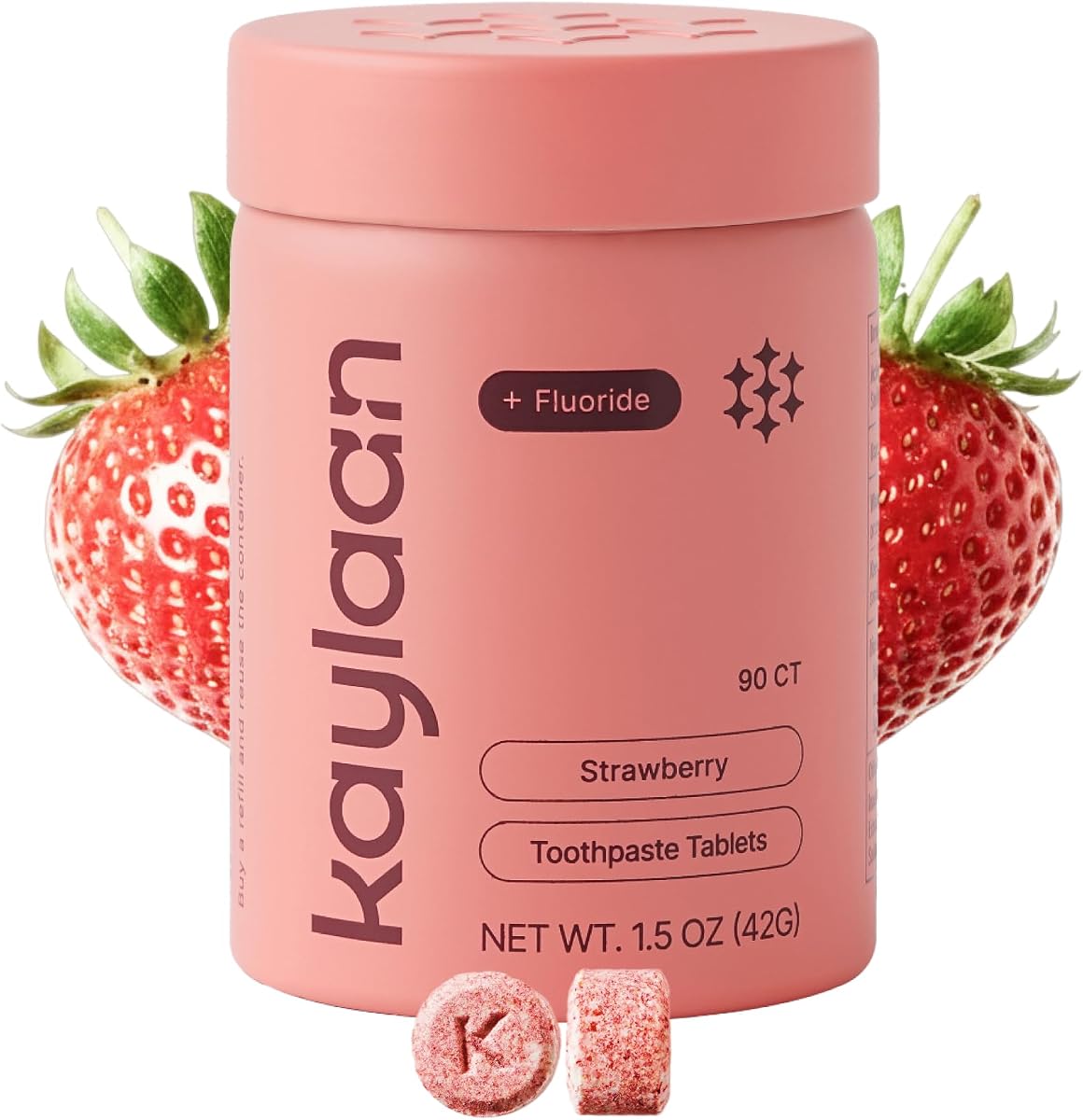
A zero-waste oral care system consisting of fluoride-free tablets in a refillable glass jar, featuring ingredients sourced from ethical Eastern European partners.

A high-potency, carbon-extracted rosehip oil designed specifically for sensitive skin, backed by rigorous B Corp standards and organic agricultural sourcing.
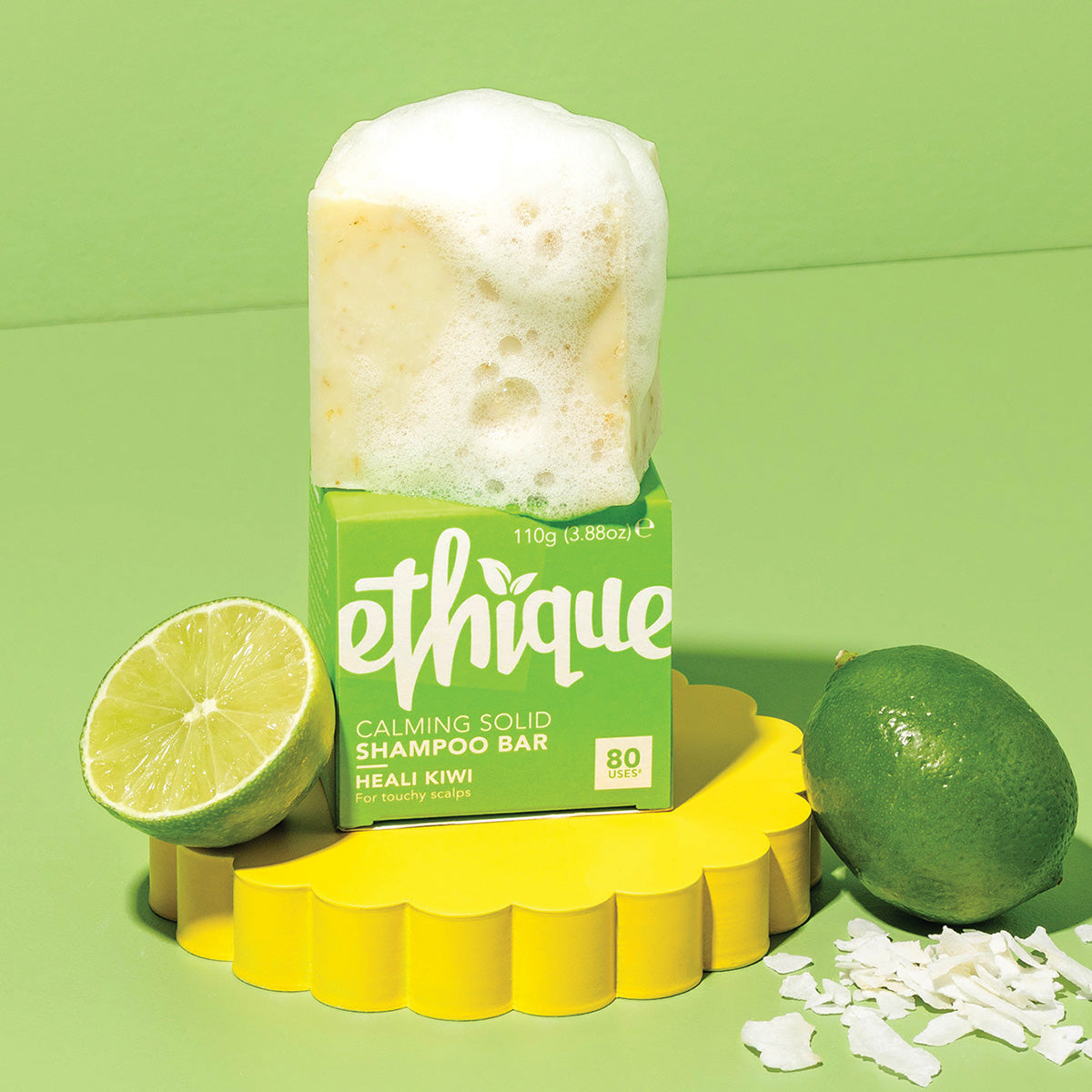
A plastic-free, highly concentrated shampoo bar that replaces three plastic bottles, featuring fair-trade ingredients and carbon-neutral shipping.

A moisturizing, sulfate-free bubble bath featuring handcrafted fair-trade shea butter and calming lavender oil.
Ownership records come from company brand directories, filings and acquisition announcements. Read our methodology.
Who owns Garnier? FAQs
Who owns Garnier?+
Garnier is owned by L'Oréal, which has held the brand since 1965. L'Oréal is the biggest cosmetics group in the world, owning Garnier, Maybelline, Kiehl's, Urban Decay, NYX, CeraVe, La Roche-Posay and Aesop.
When did L'Oréal buy Garnier?+
L'Oréal has owned Garnier since 1965.
Does the parent company change whether Garnier is ethical?+
Ownership can matter to whose business you support, but it does not settle every product's ethics. Certification schemes have different scopes; confirm the named entity and current record. A subsidiary's certificate does not automatically cover its parent or sister brands.
What other brands does L'Oréal own?+
In our database, L'Oréal also owns Aesop, CeraVe, Kiehl's, La Roche-Posay, Maybelline, NYX, Urban Decay.